EN
EN

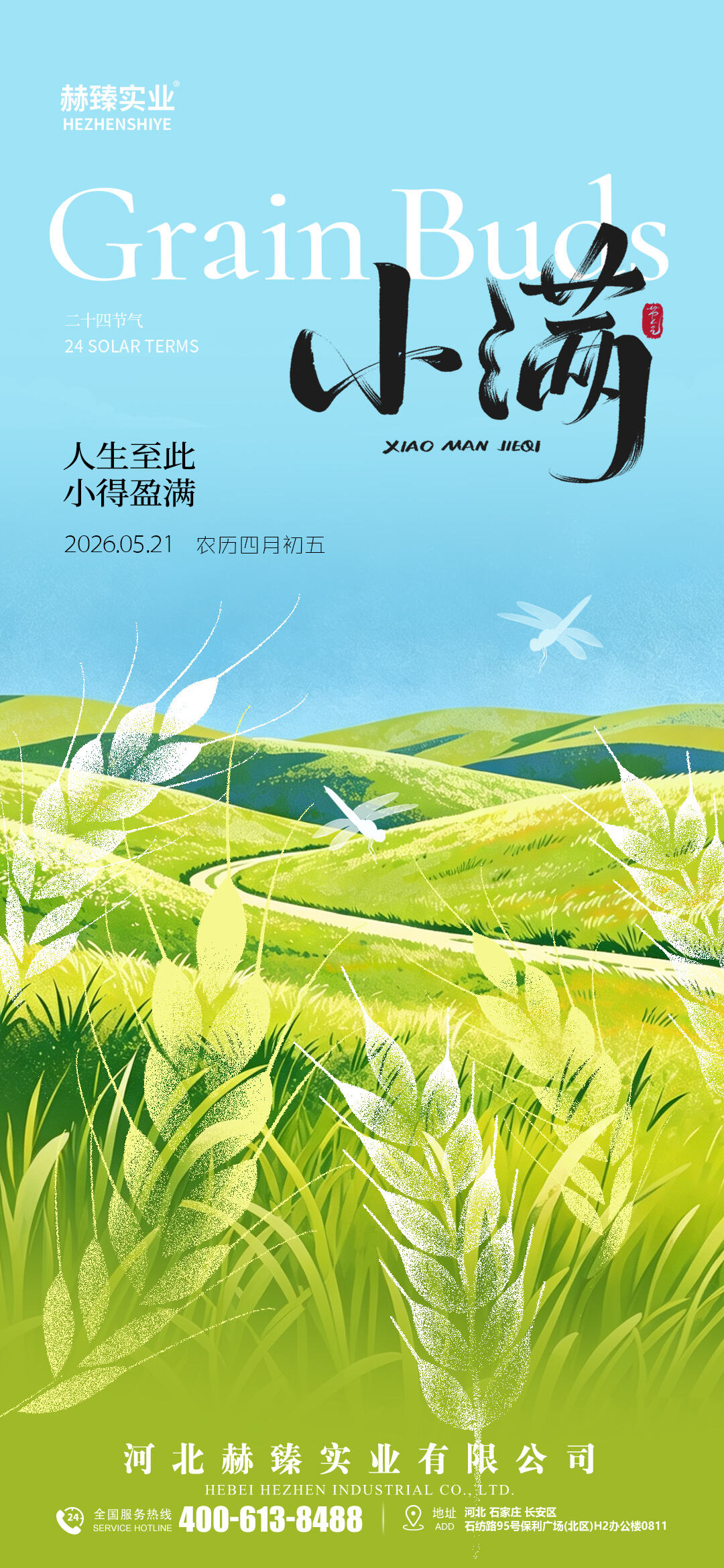
Grain Buds, also known as Xiaoman, marks the eighth solar term in the traditional Chinese 24-solar-term system and the second season of early summer. It falls around May 21 every year when the sun reaches the celestial longitude of 60 degrees, signaling a subtle turning point in nature where all living things grow lush and crops gradually become plump yet not fully ripe. The name “Grain Buds” carries two profound meanings closely linked with nature and agriculture. In northern China, it refers to winter wheat grains gradually filling up and swelling, entering the critical stage of grain filling before maturity. In southern regions, it symbolizes the gradual rise of rainfall, with rivers and streams slowly being filled by seasonal rains, following the old saying that when Grain Buds comes, rivers grow full. This solar term perfectly interprets the traditional Chinese philosophy of moderation—being full but not overflowing, prosperous but not extreme, embodying the unique wisdom of living in harmony with nature.
Grain Buds is divided into three phenological phases that vividly record nature’s subtle changes. The first phase sees lush summer plants thriving vigorously, with wild grasses and field vegetation spreading across mountains and plains. The second phase marks the withering of shade-loving soft grasses, which cannot endure the increasingly strong summer sunlight and gradually fade away. The third phase is called “wheat autumn arrives”. Although it is still early summer, wheat grains have become plump enough to enter the pre-harvest period, just like ushering in a harvest autumn for wheat. These three phenological changes are not only accurate summaries of natural laws but also important guidelines for ancient farmers to arrange farming schedules.
During Grain Buds, the climate features rising temperatures, increasing humidity, and frequent thunderstorms. The northern regions turn warm and dry, suitable for wheat growth and grain filling, while the south enters a rainy season with continuous drizzles and occasional heavy downpours. The weather becomes hot and humid, making it easy for people to feel sleepy, fatigued, and physically heavy. As nature transitions from spring to midsummer, all creatures grow rapidly: fruit trees bear young fruits, vegetables grow vigorously, and aquatic organisms in rivers and ponds become active. This season is not only a key period for crop growth but also a lively moment when early summer unfolds its full vitality, letting people truly feel the quiet prosperity and gentle abundance of nature.