EN
EN

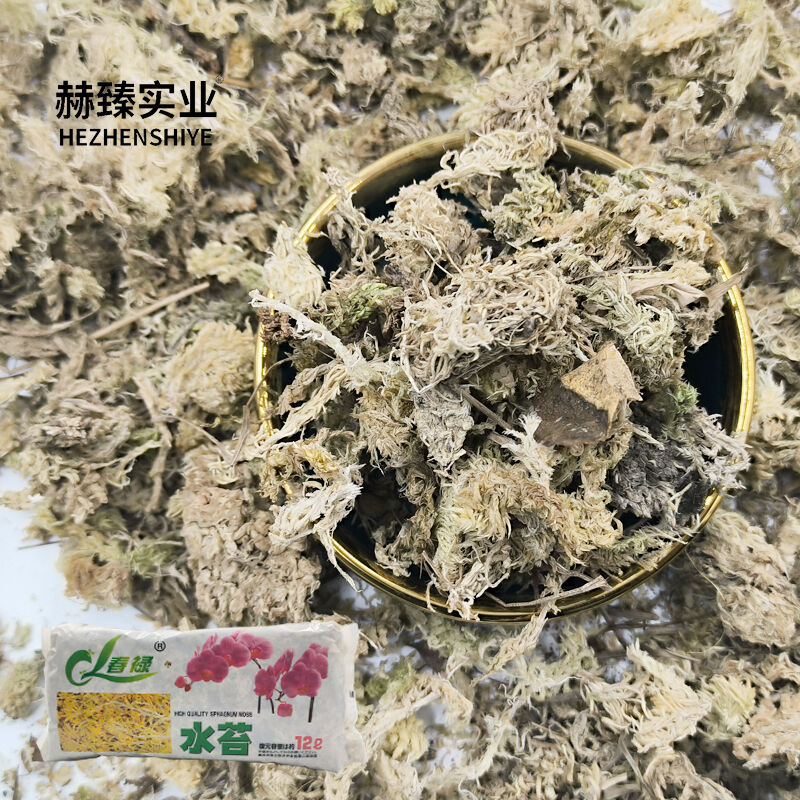
Sphagnum moss, commonly known as water moss, is a natural small green plant belonging to the Sphagnaceae family. It is widely recognized as one of the most practical and ecologically valuable moss species on Earth. Unlike most advanced plants, it has a simple structure with only thin stems and tiny leaves, lacking true roots and vascular bundles. It relies on its delicate leaf tissues to absorb water and nutrients, making it highly adaptable to humid environments.
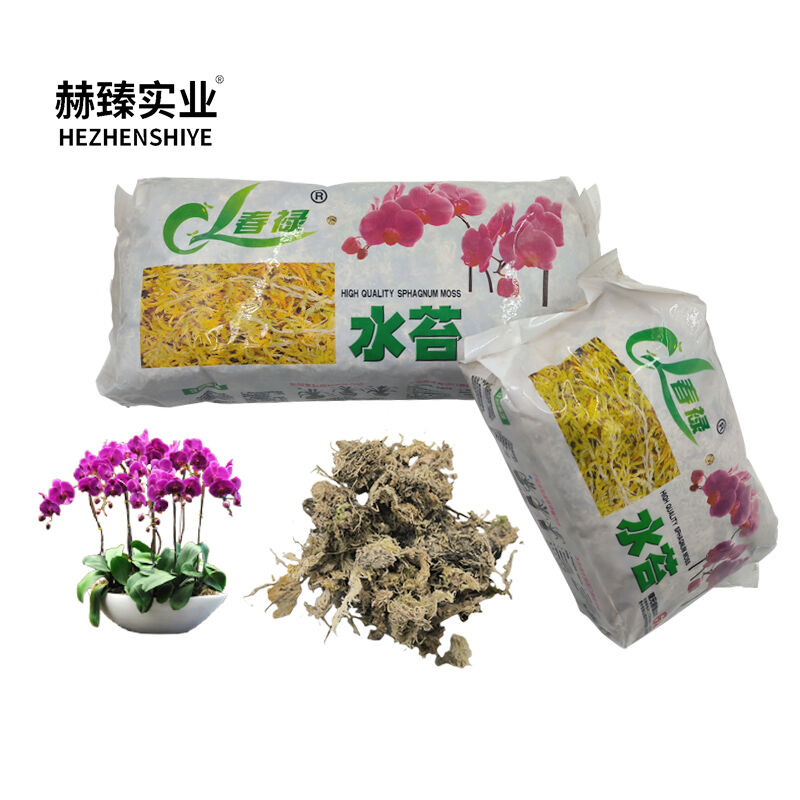
This unique plant thrives in cool, shady, and moist habitats, including mountain wetlands, swamp areas, damp stone walls, and dense forests. It distributes widely in most regions of China, as well as many parts of Europe, North America, and East Asia. Growing in clustered layers, fresh sphagnum moss shows soft green or yellowish-green color, while dried moss turns pale beige or grayish white with an extremely fluffy and porous texture.
The most impressive feature of sphagnum moss is its extraordinary water absorption capacity. It can absorb and retain water dozens of times its own dry weight, far exceeding ordinary soil and cotton. This powerful water-locking ability earns it the nickname “natural sponge”. Besides water retention, dried sphagnum moss is clean, sterile, and not easy to rot in a short time. It also presents weak acidity, which can effectively inhibit the growth of harmful bacteria and mold.
Due to these excellent properties, sphagnum moss is widely used in horticulture. It is an ideal planting medium for orchids, succulents, and various seedlings. It loosens the soil, maintains stable humidity, improves air permeability, and prevents plant roots from rotting caused by overwatering. It is also commonly used for plant cuttage, seed sowing, and root wrapping for transplanted seedlings, greatly improving the survival rate of plants.
Beyond horticultural use, sphagnum moss carries great ecological value. Over thousands of years, dead and accumulated sphagnum moss forms peat layers, which constitute important wetland ecosystems. These wetlands purify water sources, regulate regional climate, conserve soil moisture, and store massive amounts of carbon, playing a key role in slowing down global climate change. In addition, it provides a stable living environment for small insects and wetland organisms.
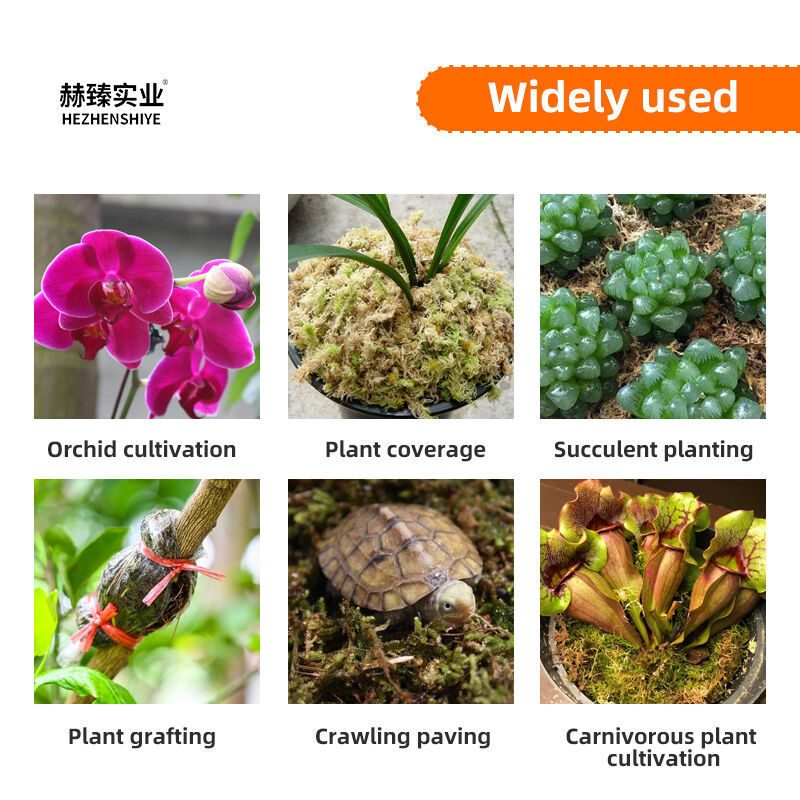
With natural safety, strong air permeability, durable moisture retention and eco-friendly characteristics, sphagnum moss has become an irreplaceable natural material for home gardening and ecological protection. It connects micro plant growth with large-scale ecological balance, fully demonstrating the great value hidden in small natural plants.