EN
EN
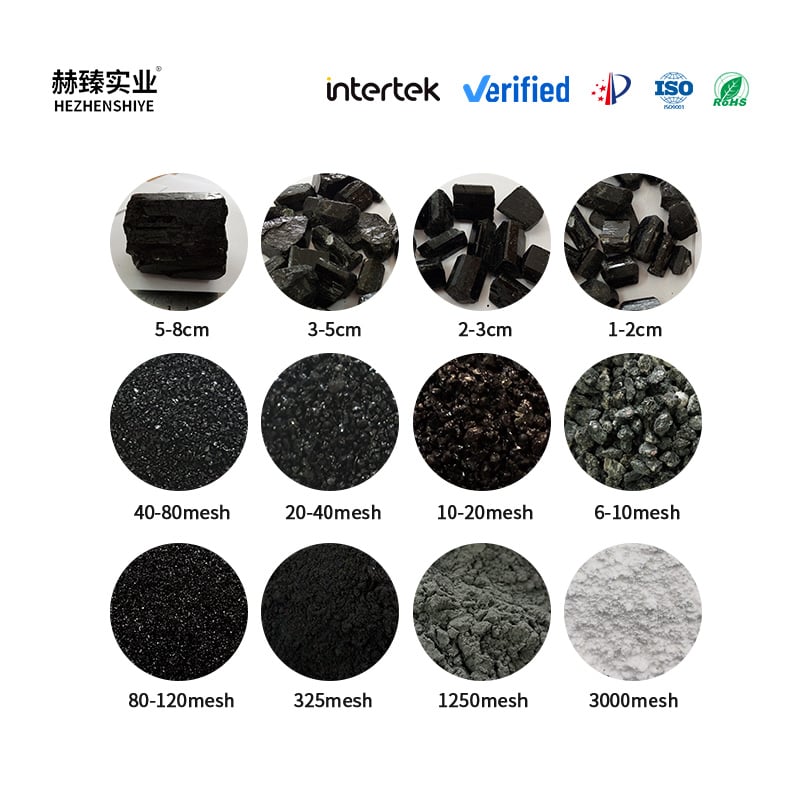
Tourmaline is a natural mineral with stable crystal structure, excellent chemical stability and strong weather resistance. After professional physical processing including crushing, purification, ultra-fine grinding and precise classification, tourmaline ore is made into superfine mineral powder that can be perfectly blended with various textile raw materials. As a high-performance functional mineral additive for the textile industry, tourmaline powder features fine particle size, good dispersion, high compatibility and inert chemical properties. It will not cause chemical changes or damage to textile fibers, yarns and fabric structures during compounding and spinning processes. With the continuous upgrading of functional textile products, tourmaline has been widely used in modified chemical fiber, functional yarn weaving, fabric finishing and textile post-processing, becoming an important raw material for improving the comprehensive performance and added value of ordinary textile products.
The most mainstream application of tourmaline in the textile industry is functional modification of chemical fiber materials. In the melt spinning and fiber drawing production process of polyester, polypropylene and various composite fibers, evenly dispersed tourmaline powder can be added into the fiber raw material formula. After uniform mixing and high-temperature melting treatment, tourmaline mineral particles are stably embedded inside the fiber structure instead of simply attaching to the fabric surface. This internal modification method effectively avoids functional attenuation caused by repeated washing and long-term wear. Tourmaline can optimize the internal molecular structure of chemical fibers, improve the structural compactness and uniformity of fiber filaments, and enhance the overall tensile strength, toughness and deformation resistance of synthetic fibers. Modified fibers are not easy to break or deform during weaving, dyeing and daily use, significantly improving the production yield and finished product quality of functional textile yarns.
Tourmaline plays an important role in improving the anti-fouling, dust-proof and aging-resistant performance of textile fabrics. Ordinary textile fabrics are prone to absorbing floating dust, fine particles and oil stains in daily use due to loose fiber structure and large surface gaps. Fabrics modified with tourmaline form a more compact and smooth microscopic surface structure. The stable mineral particles fill the tiny gaps between fiber filaments, effectively reducing the adsorption space for dust and oil pollutants. This greatly improves the surface anti-fouling and self-cleaning ability of textiles, making daily cleaning and maintenance more convenient. In addition, tourmaline has excellent ultraviolet resistance and anti-aging properties. It can effectively block the damage of ultraviolet rays to fiber molecular chains, prevent fabric fading, yellowing, brittleness and strength decline caused by long-term light exposure, and significantly extend the service life of outdoor textiles and daily woven fabrics.
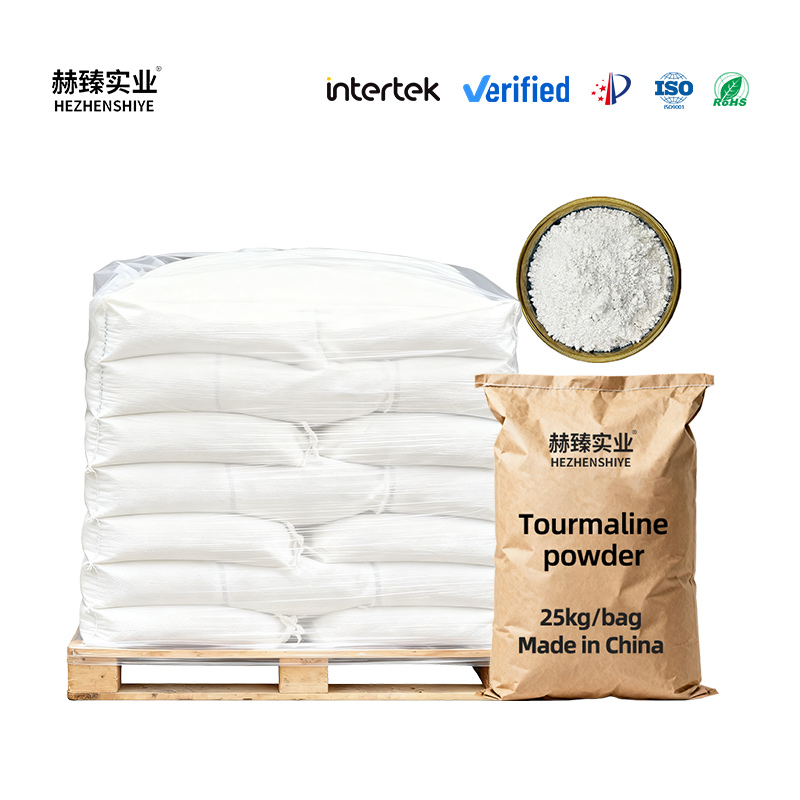
In the field of fabric finishing and textile post-treatment processes, tourmaline is widely used as a durable functional finishing agent. It can be applied in padding, rolling and soaking finishing procedures for woven fabrics, knitted fabrics and non-woven fabrics. Different from traditional temporary finishing additives that are easy to lose after washing, tourmaline mineral components have strong binding force with fiber structures, which can maintain stable functional effects after multiple washing cycles. Tourmaline-modified finishing materials can improve the surface smoothness and wear resistance of fabrics, reduce fabric pilling and hairing problems during long-term friction. It also optimizes the dimensional stability of textiles, effectively relieving fabric shrinkage and deformation after washing, making textile products keep flat appearance and stable size after repeated cleaning and long-term use.
Tourmaline is also commonly used in the production of industrial textiles and special decorative textiles. Many industrial textile materials need to maintain stable physical performance in complex environments such as long-term sunlight exposure, humid conditions and frequent friction. By adding tourmaline powder during the production process, the environmental adaptability and structural stability of industrial textiles can be significantly improved. Tourmaline can enhance the corrosion resistance and moisture resistance of fiber materials, prevent mildew and structural deterioration of textiles in humid storage and use environments, and maintain stable tensile strength and structural toughness for a long time. For decorative textiles and home textile products, tourmaline modification can improve the color fixing performance of fabrics, reduce color fading during cleaning, and maintain long-term color saturation and appearance texture of home textile products.
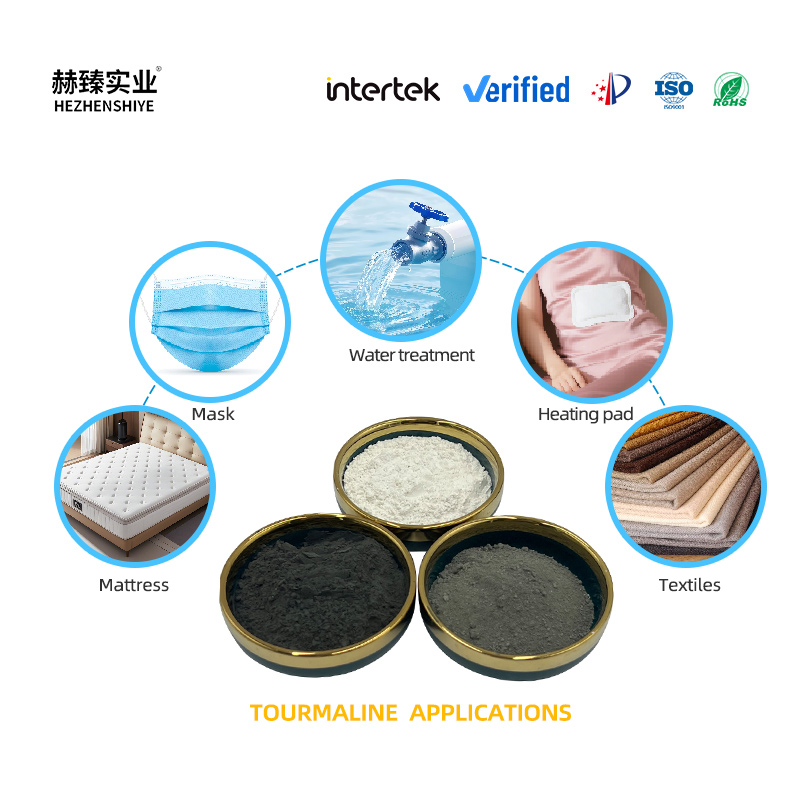
All tourmaline modification processes in textile production adopt physical blending and high-temperature fixing technology without adding harmful chemical components. The mineral powder has stable properties, does not react with fiber materials, dyes and auxiliaries, and will not affect the dyeing performance, printing effect and soft hand feeling of fabrics. Compared with traditional textile functional additives with short service life and poor stability, tourmaline mineral materials have permanent and stable modification effects, low comprehensive cost and high cost performance. With the booming market demand for durable and high-quality functional textiles, tourmaline has gradually become a universal and indispensable functional raw material in the modern textile industry, widely used in home textiles, garment fabrics, industrial textiles and non-woven material production.