EN
EN
חדשות
הקדמה למוצר אבקת סידן (סידן קרבונט)
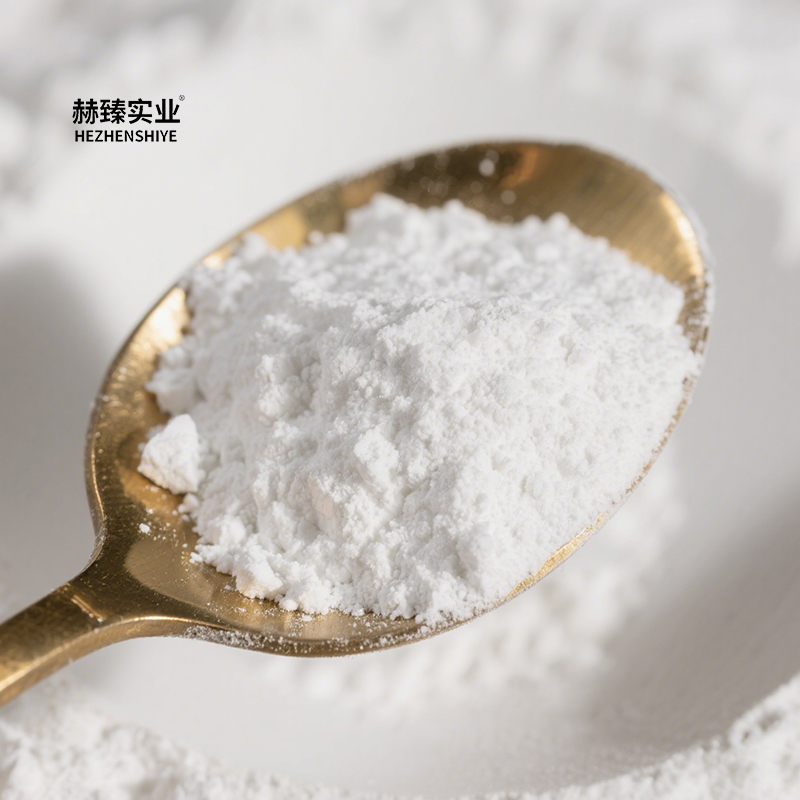
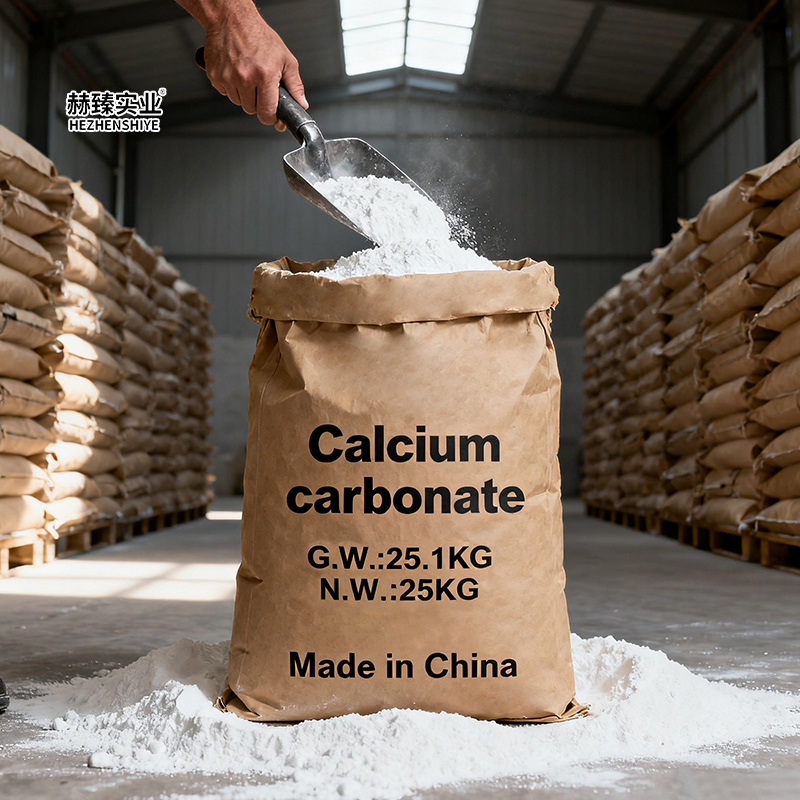
אבקת סידן (סידן פחמתי, CaCO₃)** היא חומר המילוי האנורגני הנפוץ ביותר בתחום התעשייתי, הידוע בכינויו "אבקת אבן גיר" או "אבקת קלציט". היא מוכנה ממינרלים טבעיים או מסינתזה כימית, ומוצגת כאבקה לבנה וחסרת ריח בעלת תכונות כימיות יציבות וביצועי עלות גבוהים. היא נמצאת בשימוש נרחב בתעשיות פלסטיק, גומי, ייצור נייר, ציפויים, חומרי בניין, מזון, תרופות ותעשיות אחרות.
א. סיווג המוצרים והתכונות שלהם
1. סידן קרבונט מגורר (GCC)
חומר גלם : קלציט באיכות גבוהה, מרמר, אבן גיר
תהליך : טחינה פיזיקלית, גריסה וסיווג (ללא תגובה כימית)
מראה : אבקה לבנה עם חלקיקים לא סדירים
פרמטרים מרכזיים :
תכולת CaCO₃: ≥97.0%–98.5%
לבנות: 88%–93%
גודל חלקיקים: 325–3000 מסך (5–50 מיקרומטר)
צפיפות נפחית: 0.8–1.3 גרם/סמ"ק
ערך ספיגת שמן: 40–60 מ"ל/100 גרם
רطיבות: ≤0.3%
יתרונות :עלות נמוכה, מקור רחב, יציבות טובה, ערך ספיגת שמן נמוך וקיבולת ממלא גדולה
2. סידן קרבונט משיקע (PCC)
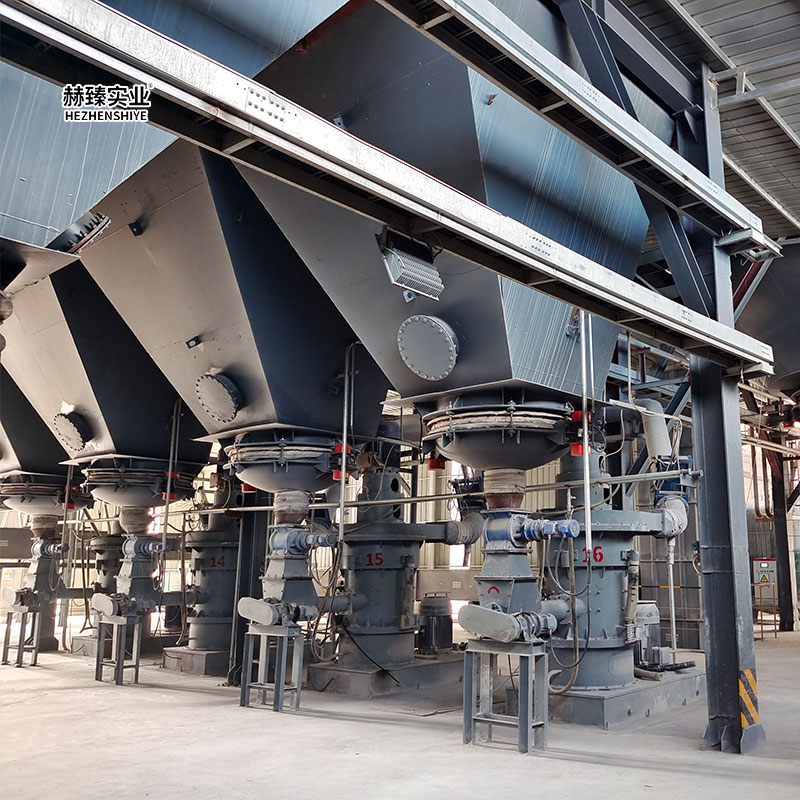
תהליך : שריפת אבן גיר → כיבוש → פחמן דו-חמצני → יבוש → מיון (סינтזה כימית)
מראה : אבקה לבנה על-עדינה עם חלקיקים סדירים (צורת מטוטלת/יהלום)
פרמטרים מרכזיים :
תכולת CaCO₃: ≥98.0%–99.0%
לבנות: 92%–96%
גודל חלקיקים: 1–10 מיקרומטר (דרגה נאנו: עד 20–100 ננומטר)
צפיפות נפחית: 0.5–0.7 גרם/סמ"ק
ערך ספיגת שמן: 60–90 מ"ל/100 גרם
יתרונות :נקיון גבוה, לבנות טובה, גודל חלקיקים עדין, פיזור מעולה ותכונה מחזקת חזקה
3. סידן קרבונט מופעל (משוּנה)
תהליך : שינוי פני השטח של GCC/PCC באמצעות חומר חיבור (למשל, חומצה סטארית)
תכונות :חומר שמשתף נטייה לשמן ודורש סירוב מים פני השטח, תאימות מעולה עם פולימרים (פלסטיק/גומי)
יתרונות :משפר את העמידות, החוזק, התנגדות החום ודינמיקת עיבוד המוצרים
4. ננו-קלציום קרבונט
גודל חלקיקים : 1–100 ננומטר
תכונות : אפקט הגודל הקטן, חיזוק תפקודי
יְצִירָה : פלסטיקים מתקדמים, גומי, צבעים, דבקים, חומרי איטום
II. תחומי יישום עיקריים
1. תעשיית הפלסטיק
GCC צינורות/פרופילים מ-PVC, סרטים, יציקות במתכת — הפחתת עלות, הגדלת נפח, שיפור קשיחות/תנגדות חום
PCC/גופרית אקטיבית פלסטיות מתקדמות, פלסטיות הנדסיות — שיפור עמידות, זוהר ויציבות ממדית
ננו-גופרית פוליפרופילן/פוליאתילן משופרים, חומרי כבלים — חיזוק, הגברת עמידות, שיפור חוזק עקיצה
2. תעשיית הגומי
צמיגים, צינורות, אטמים, כפות נעליים — מילוי והפחתת עלות, חיזוק, עמידות לשחיקה, עמידות לקריעות, שיפור ביצועי גומייה
תעשיית הנייר
GCC נייר עיתונים, נייר אריזה — ממלא, לבן, שיפור חלקות/אטימות, הפחתת עלות
PCC נייר מצופה, נייר אמנותי — פסולת מצפה, זוהר גבוה, קצב השמדה גבוה
4. מצפים/צבעים/דיו
פסולת מרחיבה , תחליף חלק מתיאניום דו-חמצני — עיבוי, מניעת שקיעה, שיפור כוח הכיסוי, הזוהר והתכונות של שטיחות
דיו: התאמת צמיגות, מהירות ייבוש ותאימות להדפסה
5. חומרי בניין ובנייה
צמנט, בטון, אבקת מסמר, לוח גבס, דבק לרצפות — הגברת חוזק, יציבות והפחתת עלות
6. מזון ותרופה (דרגה תזונתית/דרגה פרמצבטית)
מזון: סוכן מניעת התלכדות, סוכן מפריח, חומר גולמי לתוספת סידן (גומי לעיסה, שוקולד)
תרופה: טבליות סידן, נוגדי חומציות, חומרים עזר פרמצבטיים ( טיהור ≥99.0%, מתכות כבדות ≤10ppm )
7. אחרים
תוספים לתזונה לבעלי חיים, חומרים מחסלים בשיניים, דבקים, קרמיקה, מוצרים כימיים יומיומיים, הסרתו של גופרית מסביבה
III. יתרונות המוצר
יעילות עלות : הפחתה משמעותית בעלויות החומרים הגלמים, ה הכי יעיל מבחינת העלות ממלא לא אורגני
ביצועים יציבים :לא רעיל, ללא ריח, עמיד לחומצות ולכללים, עמיד לחום (יציב מתחת ל-400°C), לא נדל"ן ולא מהגר
עיבוד ידידותיות : קל להפיץ, לא קורוזיביים למכשירים, לשפר תכונות רהולוגיות
בטיחות סביבתית : נגזר ממנרלים טבעיים, אין מתכות כבדות, אין קרינה , בהתאם לתקני REACH של האיחוד האירופי ולסטנדרטים של ה-FDA
מפרטים טכניים מלאים : 325~6000 רשתות, רגילות/מופעלות/סוג ננו, סוג מזון/סוג תרופות מכוסה לחלוטין
Iv. מדריך לבחירת הכרטיס
רדיפה אחר הפחתת עלויות ויכולת מילוי גדולה → קרבונאט סידן קרקעי (325~1250 רשת)
ממשיכים אחר לבנות גבוהה, צבע זוהר גבוה וגודל חלקיקים עדין → סידן קרבונט משקע
מערכת פולימרים של פלסטיק/גומי → סידן קרבונט מופעל (משונה)
מוצרים מתקדמים הדורשים חיזוק ועמידות → סידן קרבונט ננומטרי
מזון/תרופה → סידן קרבונט משקע לדרגת מזון/לדרגת תרופות