EN
EN

News
Multi-Field Practical Applications of Low Melting Temperature Glass Powder
Time : 2026-07-06
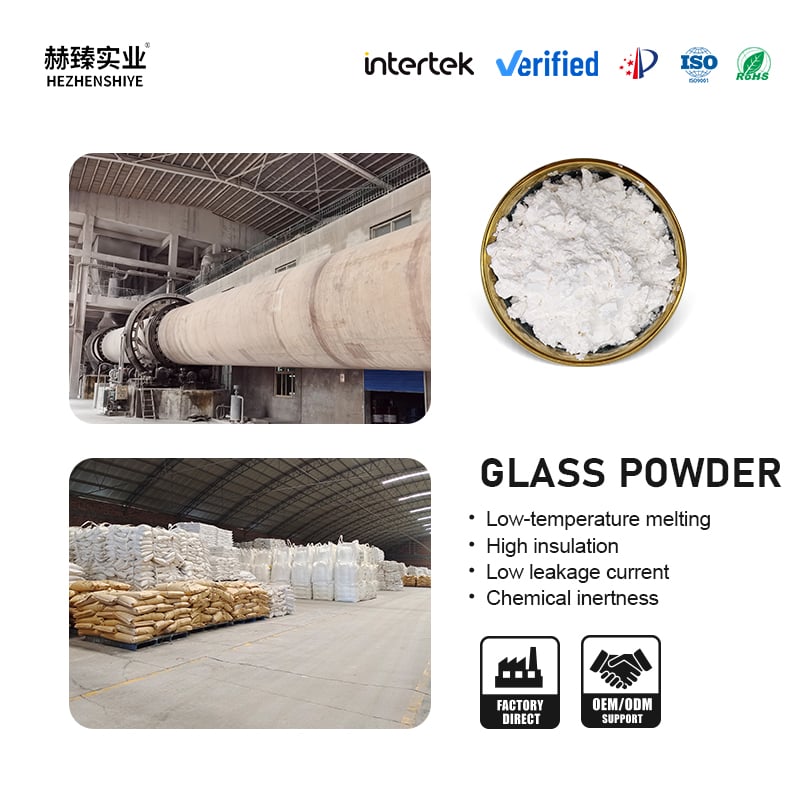
Low melting temperature glass powder is a functional inorganic vitreous filler with adjustable softening point, fine particle size and excellent fluidity under moderate heating. It does not contain excess toxic heavy metals and boasts stable chemical inertness, strong adhesion after melting, good gloss and anti-corrosion capacity. Unlike common high-melting quartz powder that requires ultra-high firing temperature, this material can soften and flow smoothly at low to medium temperature, forming dense, smooth and airtight vitreous coating or bonding layer after cooling. It can be matched with different colorants, ceramic raw materials and metal substrates, and will not crack, bubble or peel after long-term use. This eco-friendly auxiliary material has broken the temperature limit of traditional glass raw materials, and is widely applied in electronic sealing, metal surface protection, craft ceramic glazing, high-temperature printing ink and new composite material industries, bringing energy-saving, high-yield and low-cost processing solutions for manufacturers of all scales.
Electronic component packaging and airtight sealing is one of its core high-end application scenarios. A large number of precision electronic parts such as sensors, semiconductor pins, circuit modules and resistor shells need airtight insulation protection to isolate moisture, dust and corrosive gas in the external environment. Mixed with matching auxiliary materials, low-temperature glass powder is coated or filled around electronic joints. When heated to its designed melting range, it evenly spreads to fill tiny gaps between metal pins and ceramic shells, and solidifies into a compact insulating glass layer after cooling. This sealing layer owns outstanding electrical insulation performance and stable size, and will not expand or shrink drastically with temperature changes. It avoids short circuit and internal component oxidation failure caused by humid air infiltration. Compared with organic adhesive sealants, glass sealing has better high-temperature resistance and aging resistance, and can keep stable performance for decades in complex working environments such as outdoor equipment and automotive electronic modules. Factories can lower heating furnace temperature significantly, cut power consumption and shorten production cycle by using low-temperature glass powder instead of traditional high-temperature sealing materials.
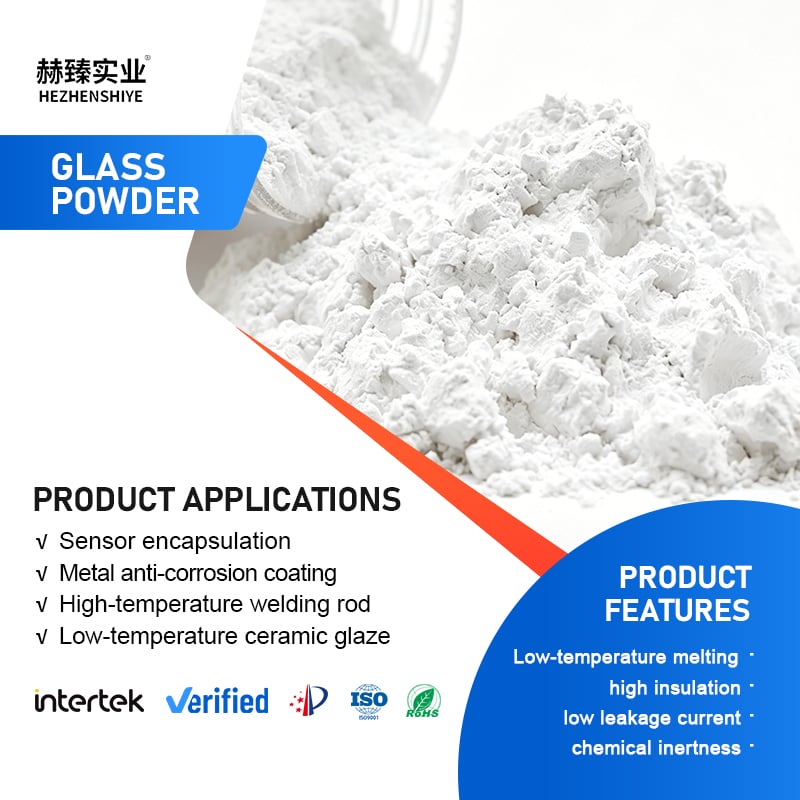
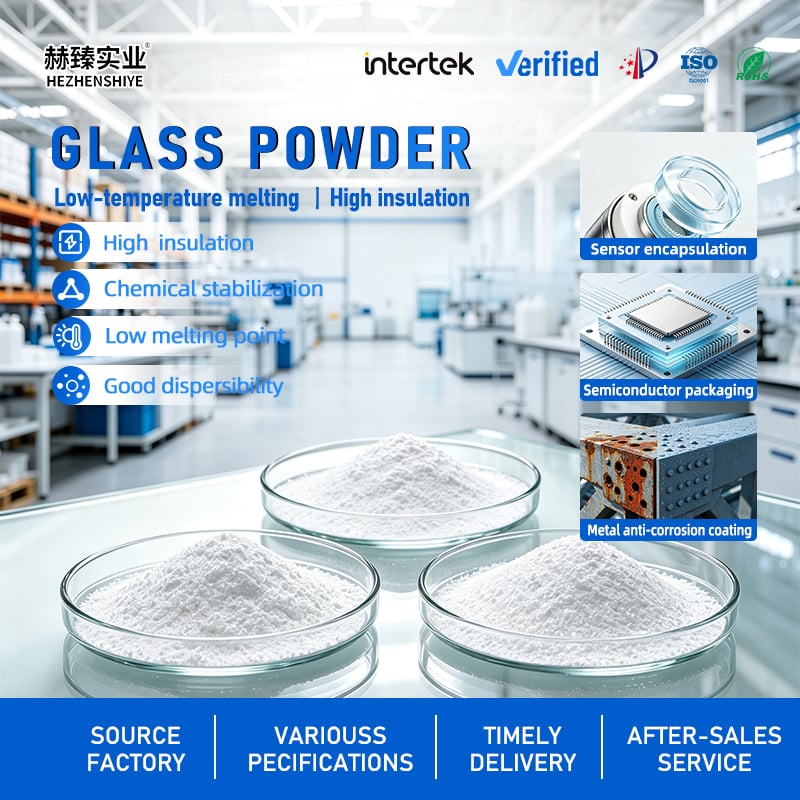
Metal surface enamel anti-rust decoration relies heavily on low-temperature glass powder as the basic glaze raw material. Iron, aluminum, copper and alloy hardware products are easy to oxidize, rust and lose luster under natural wind and rain erosion. Mixing classified glass powder with inorganic color paste to make low-temperature enamel slurry, workers can spray or dip the slurry on metal workpiece surface and bake it at mild temperature. After melting, the glass powder forms a bright, smooth and dense protective film tightly combined with metal base. This glaze layer effectively blocks oxygen and water contact with metal to achieve long-term anti-rust effect. It can present matte, bright or colorful decorative effects by adjusting color matching formula, suitable for kitchen enamel utensils, sanitary hardware, outdoor metal guardrails, craft ornaments and mechanical accessories. Traditional high-temperature enamel materials need ultra-high baking temperature which will deform thin metal sheets, while our low-temperature glass powder can complete glaze forming at low heat, protecting thin-wall metal products from thermal deformation and reducing product defective rate greatly.
Craft ceramic, daily porcelain and art pottery glazing adopt low-temperature glass powder to enrich surface texture. Many handicraft ceramics, small decorative porcelain and art clay works cannot bear high-temperature firing of conventional feldspar glaze, which is easy to cause body deformation and pattern fading. Adding low-temperature glass powder into surface glaze raw materials can reduce the overall firing temperature of ceramic blanks. When baked, the glass component melts evenly to form a transparent, glossy and smooth glaze surface, highlighting delicate hand-painted patterns on porcelain. It also improves glaze compactness, prevents water seepage of unglazed clay bodies, and enhances stain resistance for daily tableware and decorative vases. Manufacturers can prepare matte glaze, transparent cover glaze and colorful artistic glaze with different mesh sizes of glass powder. The finished glaze surface is not easy to scratch, fade or produce pinholes, greatly upgrading the grade of ceramic finished products and expanding the design space for ceramic designers.
High-temperature resistant printing ink and transfer decoration industry uses low-temperature glass powder as functional additive. Industrial heat transfer printing, metal baking paint ink and ceramic decal ink need additives that can resist high-temperature baking without losing color or film breaking. Fine low-temperature glass powder is evenly blended into ink system, which can improve ink leveling performance during printing and avoid pattern shrinkage and edge blur. When the printed workpiece enters the baking oven, the glass powder melts slightly to form a transparent protective layer on the ink surface, locking color pigments firmly and preventing color fading and abrasion during long-term use. This ink with glass powder additive is widely used for metal can printing, hardware brand logo transfer, ceramic decal paper and heat-resistant glass surface printing. It has strong compatibility with various inorganic colorants and will not cause chemical discoloration of pigments, maintaining bright and uniform printing effect after repeated high-temperature treatment.
New composite materials, insulating coatings and industrial repair also have extensive demand for low-temperature glass powder. In inorganic fireproof coating production, glass powder is added to improve coating compactness and high-temperature anti-flame performance; once encountering open fire, the glass component melts to form a dense isolation film to block flame spread and delay heat conduction. For insulating coating on power equipment shells, the vitreous layer formed by melted glass powder enhances insulation and anti-arc ability to ensure safe operation of electrical equipment. In industrial metal crack repair and pipeline anti-corrosion lining, mixed glass slurry can be coated on damaged metal surfaces. After low-temperature heating, it solidifies into a seamless anti-corrosion protective layer to prolong the service life of mechanical equipment and water delivery pipelines. In addition, it can be used as auxiliary raw material for grinding medium, refractory composite plate and crystal craft production, showing diversified application potential in multiple manufacturing sectors.
To sum up, low melting temperature glass powder is a multi-scene inorganic functional material integrating bonding, sealing, decoration, anti-corrosion and insulation functions. Its biggest advantage lies in low processing temperature, which helps all downstream manufacturers save energy cost, reduce equipment loss and lower product scrap rate. With stable chemical performance, adjustable fineness and good compatibility with metal, ceramic and organic coating systems, it has become an irreplaceable auxiliary raw material for electronic sealing, metal enamel, ceramic craft, printing ink and environmental protection coating manufacturers, and maintains stable long-term market demand in global industrial processing and handicraft production fields.