EN
EN

News
Manufacturer Supply Kaolin : the fineness can be adjusted without impurities, core raw material of many industries.
Manufacturer Supply Kaolin: The Fineness Can Be Adjusted Without Impurities, Core Raw Material of Many Industries
Kaolin, a nonmetallic mineral with a rich history and diverse applications, originates from China and has become a cornerstone material in numerous industries worldwide.
This article aims to provide a comprehensive overview of kaolin, exploring its origins, chemical composition, physical properties, classification, and wide-ranging applications.
Origins and Historical Context
Kaolin was first discovered in Jingdezhen, Jiangxi Province, China, a region renowned for its porcelain production. The mineral's name is derived from "Gao Ling," the village where it was initially found. In the 18th century, French missionary Father d'Entrecolles encountered this unique soil in Gao Ling Village and transported samples back to France, introducing it to the Western world as "kaolin." Since then, kaolin has gained global recognition for its exceptional properties and versatility.
Chemical Composition and Physical Properties
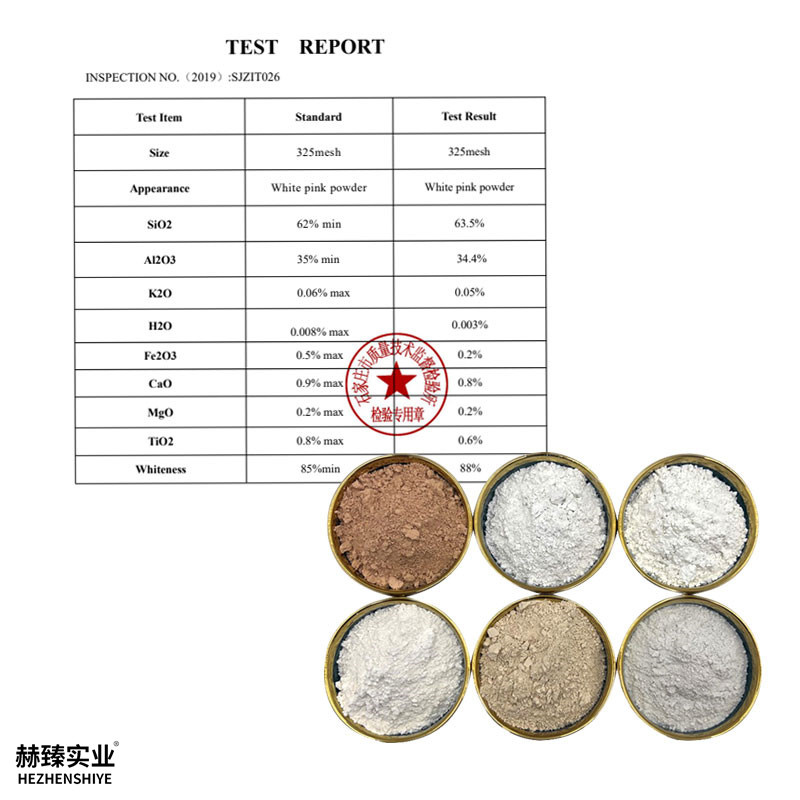
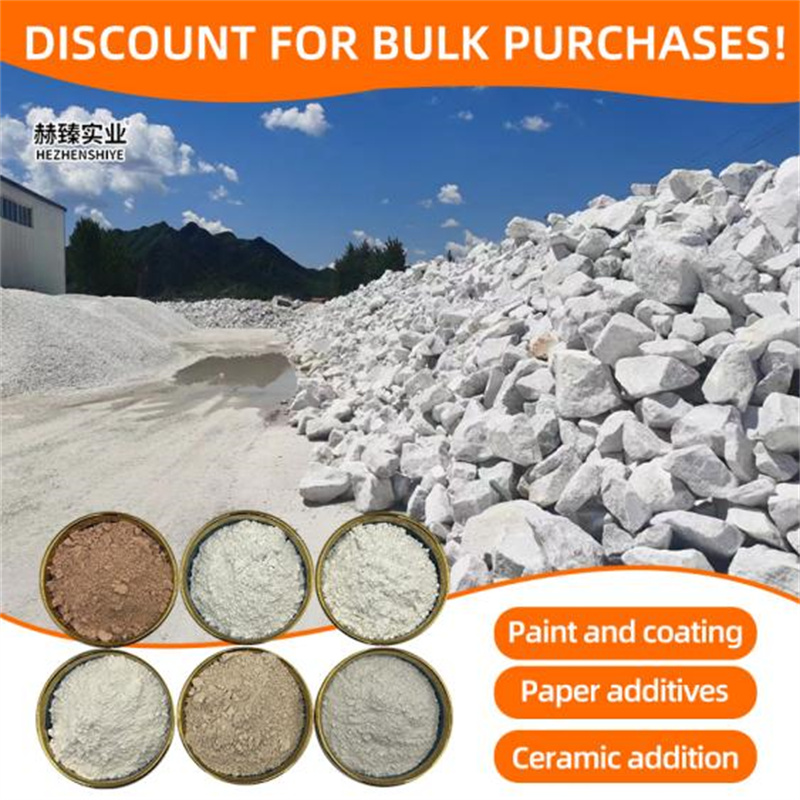
Kaolin is primarily composed of kaolinite, a clay mineral belonging to the phyllosilicate group. Its main chemical components include silicon dioxide (SiO₂), aluminum oxide (Al₂O₃), iron oxide (Fe₂O₃), and titanium dioxide (TiO₂). High-purity kaolin appears white and is characterized by its fine powder form. The mineral can present as loose soil blocks or dense rock blocks, exhibiting excellent dispersibility, cohesiveness, electrical insulation, and fire resistance. These properties make kaolin suitable for a wide range of applications, from traditional ceramics to modern high-tech materials.
Classification and Production Methods
Kaolin can be classified into three main types based on production methods and characteristics: calcined kaolin, washed kaolin, and metakaolin. Each type undergoes distinct processing steps, resulting in unique properties and applications.
Washed Kaolin
Washed kaolin is produced by removing physical impurities from natural kaolinite through a washing process. This method retains the original crystal structure of kaolinite, resulting in a product with excellent plasticity and cohesiveness.
While its whiteness may be slightly lower compared to other types, washed kaolin offers good dispersibility, making it ideal for use in ceramics, papermaking, and coating industries.
Its ability to form strong bonds with other materials enhances the quality and durability of the final products.
Calcined Kaolin
Calcined kaolin is derived from washed kaolin through a calcination process at medium to high temperatures. This process transforms the physical properties of the powder, creating a porous and loose structure.
Compared to washed kaolin, calcined kaolin exhibits significantly improved whiteness and hardness, along with enhanced electrical insulation.
However, the plasticity of the material is lost during calcination. Calcined kaolin finds applications in papermaking, coatings, rubber, cosmetics, and other fields where its enhanced properties are advantageous.
Metakaolin
Metakaolin is produced by calcining kaolin at lower temperatures, typically between 600-900°C. This process destroys the original crystal structure of kaolinite and forms amorphous aluminum silicate with high reactivity.
Unlike calcined kaolin, metakaolin does not undergo excessive sintering, preserving its high specific surface area. This makes metakaolin an excellent choice for use as building materials, geopolymers, and adsorption materials. Its high reactivity allows it to interact effectively with other substances, enhancing the performance of the final products.
Applications Across Industries
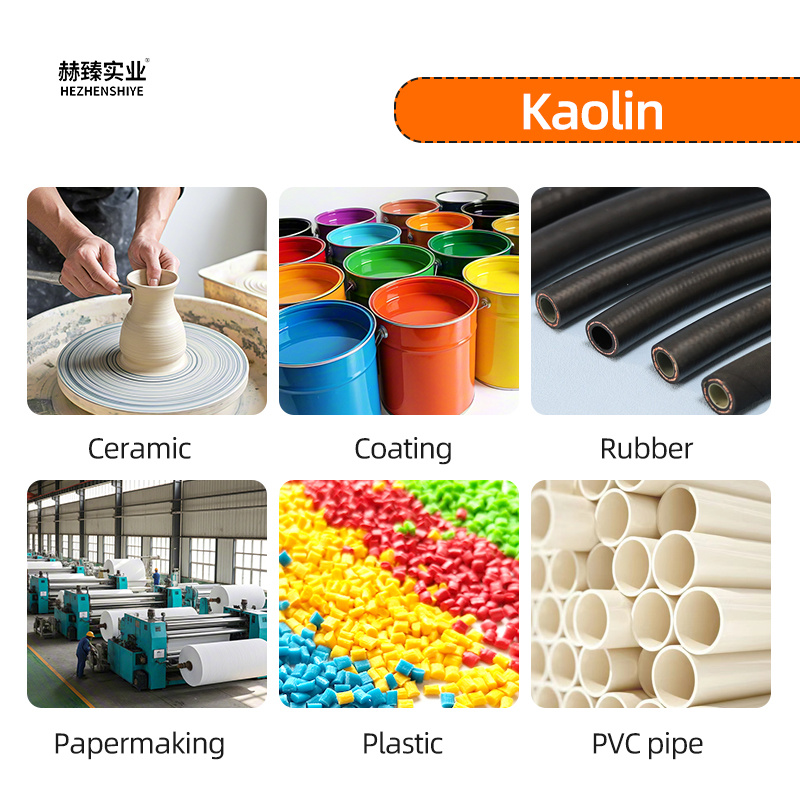
Kaolin's unique properties make it indispensable in various industries. In the ceramics industry, kaolin serves as a key raw material for producing porcelain, stoneware, and earthenware. Its plasticity and cohesiveness enable the formation of intricate shapes and designs, while its fire resistance ensures the durability of the finished products. In papermaking, kaolin acts as a filler and coating agent, improving the paper's brightness, smoothness, and printability. The use of kaolin in coatings enhances the opacity, gloss, and durability of the coatings, making them suitable for both interior and exterior applications.
In the rubber industry, kaolin functions as a reinforcing filler, improving the mechanical properties of rubber products such as tires, hoses, and seals. Its ability to enhance the strength and wear resistance of rubber makes it a valuable additive. In cosmetics, kaolin is used as a thickening agent and absorbent in products such as foundations, powders, and facial masks. Its gentle nature and ability to absorb excess oil make it suitable for sensitive skin.
Furthermore, kaolin plays a crucial role in environmental applications. Its adsorptive properties make it effective in removing pollutants from water and air. Kaolin-based adsorbents are used in wastewater treatment plants to remove heavy metals, dyes, and other contaminants. In the field of soil remediation, kaolin helps stabilize contaminated soils and reduce the mobility of harmful substances.
Customized Solutions and Global Reach
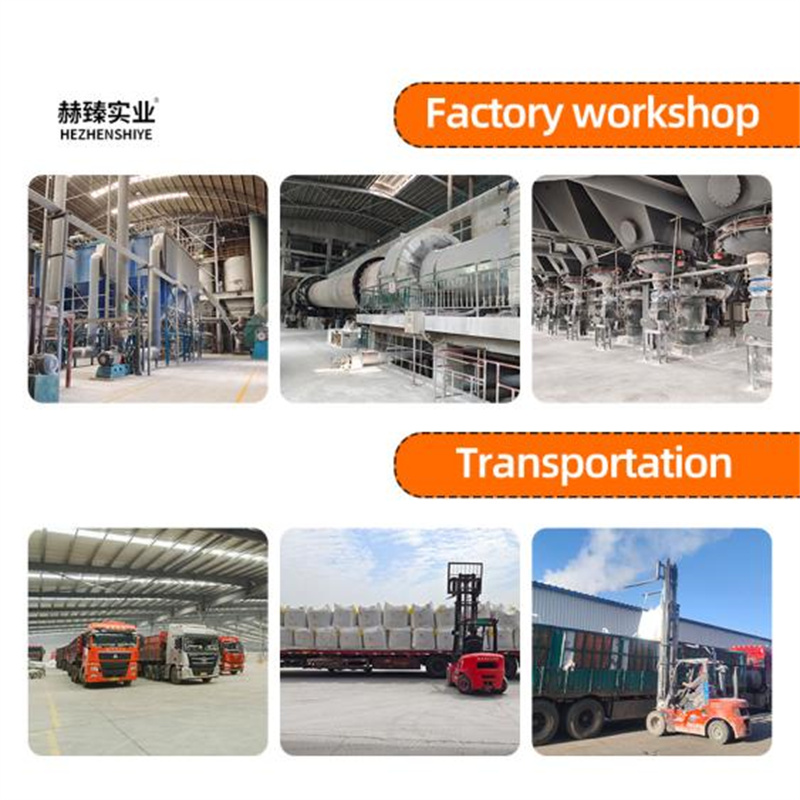
At Hebei Hezhen Industrial Co., Ltd., we leverage modern technology to produce high-quality kaolin products tailored to meet the diverse needs of customers worldwide. Our commitment to excellence ensures that each batch of kaolin meets the highest standards of quality and purity. We offer customized solutions, adjusting the fineness and properties of kaolin to suit specific applications. Whether our customers require kaolin for traditional industries or cutting-edge technologies, we provide reliable and consistent supply.
Conclusion
Kaolin, a versatile nonmetallic mineral, has established itself as a core raw material in numerous industries.
Its origins in China and subsequent global adoption highlight its universal appeal and importance. The classification of kaolin into washed, calcined, and metakaolin types allows for tailored applications across various sectors. From traditional ceramics and papermaking to modern high-tech materials and environmental remediation, kaolin continues to drive innovation and efficiency. As research and development efforts progress, the potential applications of kaolin are expected to expand further, solidifying its position as a key material in the global market.
Its ability to enhance product performance, improve processing efficiency, and contribute to sustainability makes it an indispensable component in the quest for a better future.