EN
EN
חדשות
טאלק – דחף מינרלי טבעי להגביר שדרוגים תעשייתיים
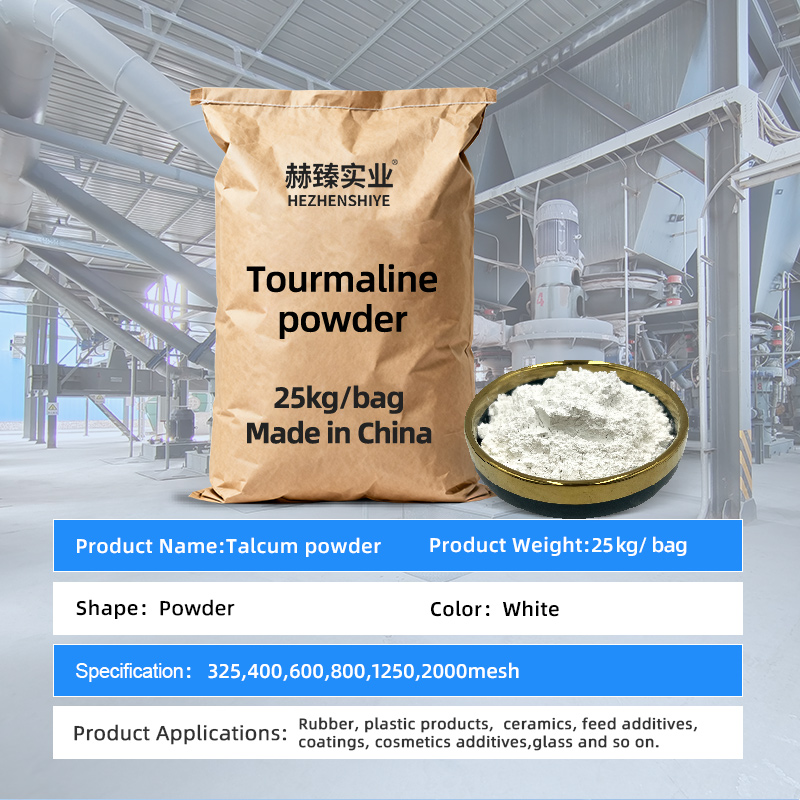
טאלק הוא מינרל סיליקטי מגנזי הידרטי שקיים בטבע, שמרכיבו העיקרי הוא טאלק (Mg₃Si₄O₁₀(OH)₂), ולשון יש לו תכונות פיזיקליות וכימיות ייחודיות כגון רכות, שימור שיפוע, עמידות בחום ותרדמת כימית. בנוסף לרכיב העיקרי טאלק, הוא מכיל בדרך כלל כמויות קטנות של מינרלים נלווים כגון דולומיט, קוורץ ופיריט. בזכות ביצועיו הכוללים המרשימים, הטאלק נמצא בשימוש נרחב בתחומים תעשייתיים מגוונים, והפך לחומר תמיכה חשוב לעדכון תעשייתי ולפיתוח באיכות גבוהה.
1. היווצרות הטאלק: תהליך מטמורפי ארוך טווח
טאלק נוצר על ידי מטמורפיזציה של סלעי סיליקט עשירים במגנזיום בתנאים גאולוגיים מסוימים. הסלעים האב העיקריים כוללים סרפטיניט, פרידוטיט ופירוקסניט, אשר נוצרים על ידי קריסטליזציה של מגמה בעומק כדור הארץ. כאשר סלעי אב אלו נתונים למטמורפיזציה אזורית או למטמורפיזציה של מגע (הגרומה על ידי חדירה של מגמה), תחת פעולת טמפרטורה גבוהה (250–450°צ), לחץ גבוה ונוזלים הידרותרמיים, המרכיבים המינרליים המקוריים עוברים תגובות כימיות, ויוני המגנזיום ויוני הסיליקט מסתדרים מחדש forming 결정ים של טאלק.
המבנה השכבותי הייחודי של הטלק נוצר במהלך התהליך המטמורפי. השכבות מחוברות באמצעות כוחות בין-מולקולריים חלשים, מה שנותן לטלק את רכותו והשחיקותו האופייניות. היווצרות הטלק דורשת מחזור גאולוגי ארוך, ואיכות הטלק קשורה באופן הדוק בסוג הסלע האב, תנאי המטמורפיזמה והסביבה הגאולוגית. כיום, מדינות היצרניות העיקריות של טלק בעולם כוללות את סין (אשר אחראית ליותר מ-50% מהייצור העולמי), ארצות הברית, הודו ואוסטרליה. לאזורים המייצאים אלו יש רקעים גאולוגיים שונים, מה שמביא להבדלים בנקיות הטלק, בגודל החלקיקים ובתפקודו, ומאפשר לענות על הצרכים השונים של תעשיות שונות.
2. התכונות המרכזיות של טלק: היסוד ליישום הרחב שלו
היישום הרחב של טלק קשור באופן הדוק בתכונות הפיזיקליות והכימיות הייחודיות שלו, אשר נקבעות על ידי מבנה הגבישים שלו והרכבו הכימי.
רכות ושחיקות טאלק הוא אחד המינרלים הרכים ביותר בטבע, עם קשיות מוהס של 1 בלבד. הוא מרגיש שמן בעת מגע, והמבנה השכבותי שלו מאפשר לשכבות להחליק בחופשיות, מה שהופך אותו למשחנה טבעי מעולה ולסוכן שחרור תבניות, אשר יכול להפחית את החיכוך בין חומרים ולשפר את יעילות העיבוד.
יציבות כימית טאלק אינרטי כלפי רוב הכימיקלים, לא מסיס במים, בחומצות מוחלשות ובמסיסנים אורגניים. הוא אינו מגיב לחומצות, לבסיסים או לחומרים אחרים בתנאים רגילים, ויש לו עמידות טובה לקורוזיה. הוא לא רעיל, חסר ריח ולא מגרה, מה שהופך אותו לביטחוני לשימוש במזון, בתרופות ובקוסמטיקה.
עמידות לחום ויציבות תרמלית לטאלק יש עמידות מעולה לחום, עם טמפרטורת פירוק של כ-900°מ ונקודת התכה של 1500°מ. הוא יכול לשמור על יציבות המבנית שלו בטמפרטורות גבוהות, לא נמס בקלות, לא מתפרק ולא משנה תכונותיו, מה שהופך אותו מתאים ל scenarii עיבוד בטמפרטורות גבוהות כגון יציקת פלסטיק, שריפת חרסינה ויציקת מתכות.
חיזוק ושינוי : כאשר משמש כממלא בפולימרים (פלסטיק, גומי), טאלק יכול לשפר את התכונות המכאניות של המוצרים, כגון קשיחות, חוזק מתח, חוזק מכה וטמפרטורת עיוות תחת חום, ובמקביל לפגוע בשיעור התכווצות המוצרים ולשפר את היציבות הממדית, מה שחיוני לשיפור האיכות של מוצרים פלסטיים וגומיים.
לבנות ויכולת כיסוי : לטאלק בעל ניקיון גבוה יש לבנות גבוהה ויכולת כיסוי טובה, מה שמאפשר לשפר את איכות המראה של המוצרים. הוא בשימוש נרחב בענפי הקוסמטיקה, הנייר, הצבעים ואחרים כדי להגביר את הלבנות והאומפירות של המוצרים.
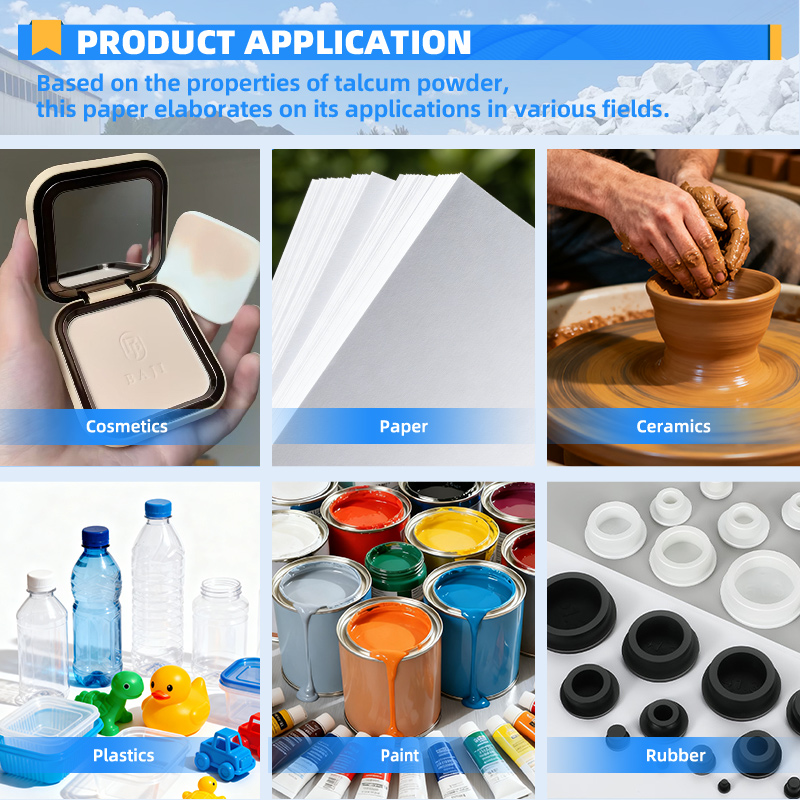
3. טווח השימוש הרחב של טאלק: העצמה של מגוון תחומים תעשייתיים
3.1 תעשיית הפלסטיק (השדה היישום הגדול ביותר)
טאלק הוא הממלא האורגני הנפוץ ביותר בתעשיית הפלסטיק, ותורם ליותר מ-40% מסך הצריכה הכוללת של טאלק. יישומיו העיקריים כוללים:
פלסטיק לאוטומובילים : מוסף לרכיבי פנים אוטומטיים (כגון לוחות מחוונים, לוחות דלתות וקופסאות כפפות) ולרכיבי חוץ (כגון בומפרים ומכסי גלגלים), הוא משפר את הקשיחות, התנגדות החום והתנגדות הפגיעה של הרכיבים, מקטין את המשקל ומייקר את עלויות הייצור.
פלסטיק ליישומים במכשירי חשמל ביתיים : משמש בחלקי הפלסטיק של מקררים, מכונות כביסה, מזגנים ומכשירי חשמל ביתיים אחרים, ומשפר את יציבות הממדים והעמידות של הרכיבים, וכן משפר את מראה המשטח.
פלסטיק לאבזרים : מוסף לסרטים פלסטיים, לבקבוקים ולתיבות, ומשפר את הקשיחות והתנגדות החום של האבזרים, מאריך את תקופת השימוש ומקטין את צריכת חומרי הגלם הפלסטיים.
3.2 תעשיית קוסמטיקה וטיפוח אישי
טאלק הוא רכיב מסורתי וחשוב בתעשיית הקוסמטיקה, עם היתרונות הבאים: רכות, חוסר רעילות ויכולת ספיגת שומנים:
אבקת פנים ואבקת טאלק טאלק הוא הרכיב העיקרי באבקת הפנים ובאבקת הטאלק, אשר יכולה לספוג שמן מהעור, לשמור על העור יבש וחלק, ולספק תחושת רעננות. היא משפרת גם את הדבקות של האיפור, מה שהופך אותו למתמשך יותר.
קוסמטיקה אחרת משמש באיפור עיניים, באיפור לרקמות, בבסיס ואחרים; פועל כממלא וכחומר שמנון, משפר את טקסטורת המוצרים ואת היכולת להרחיב אותם, ומחזק את אפקט השידור של הצבע.
3.3 תעשיית הנייר
הטאלק משחק תפקיד חשוב בתעשיית הנייר, בעיקר בשימוש בקטיפת נייר ומילוי נייר:
מכסה נייר כצבע לקטיפה, הטאלק יכול לשפר את חלקות המשטח, הלבנונית והדפוסיות של הנייר, מה שגורם לטקסט והדפוסים המודפסים להיות ברורים וחיוניים יותר. הוא בשימוש נרחב בנייר הדפסה איכותי, בנייר תרבותי ובנייר אריזה.
מילוי נייר : מוסף לפסולת הנייר, הוא מפחית את כמות פסולת העץ המשמשת, מפחית את עלויות הייצור ומשפר את האופקיות, הקשיחות ועוצמת המתח של הנייר, וכן משפר את ספיגת הדיו על ידי הנייר.
3.4 התעשייה הפקולטית והתעשיית המזון
הטאלק בשימוש נרחב בתעשייה הפקולטית ובתעשיית המזון בשל אי-סמיותו והאינרציה הכימית שלו:
תעשיית התרופות : משמש כחומר עזר פקולטי, כשמן שיפוע, חומר לשיפור זרימה וכחומר ממלא בייצור טבלאות וקפסולות. הוא יכול למנוע הדבקת האבקה לציוד, לשפר את זרימת האבקה ולדאוג לאחדות וליציבות הטבלאות.
תעשיית המזון : טאלק ברמת מזון משמש כסוכן מניעת הצטברות, שמן שיפוע וחומר ממלא בעיבוד מזון. הוא מוסף לקמח, לתבלינים, למתוקים ולמזונות אחרים כדי למנוע הצטברות, לשפר את ביצועי העיבוד ולארוך את תקופת ההישרדות של המזון.
3.5 תעשיות אחרות
תעשיית הגומי : משמש כממלא וכסיכון במוצרים מ каучוק, משפר את ביצועי העיבוד של ה Каучוק, מגביר את התנגדות לבלאי, את התנגדות להזדקנות ואת חוזק המשיכה, ומצריך את עלויות הייצור. הוא בשימוש נרחב בצמיגים, צינורות, אטמים ומבנים אחרים מ Каучוק.
תעשיית חרסינה : כאשר מוסיפים אותו לחומרי גלם קרמיים, הוא משפר את הפלסטיות והיכולת לסינטור של גוף הקרמיקה, מפחית את טמפרטורת השריפה ומשפר את הברק, הקשיחות והיציבות התרמית של מוצרי הקרמיקה. הוא משמש בייצור קרמיקה יומיומית, קרמיקה תעשייתית וחומרים חסיני אש.
תעשיית הצבעים והציפויים : משמש כממלא בצבעים ובקישוטים, משפר את כוח החסימה, את התנגדות לעשיות, ואת התנגדות לבלאי של הקישוט, מפחית את עלות הקישוט, ומגביר את הדבקות של הקישוט לתחתית.
4. כיצד לבחור טלק באיכות גבוהה? מדדים מרכזיים וטיפים לבחירה
איכות הטלק משפיעה ישירות על ביצועי המוצר הסופי. בעת בחירת טלק, יש להתמקד במפתחים הבאים ובטיפים לבחירה:
תכולת טלק : ככל שתכולת הטלק גבוהה יותר, הביצועים טובים יותר. ליישומים מתקדמים כגון קוסמטיקה, תרופות ומזון, תכולת הטלק חייבת להיות מעל 95%; ליישומים תעשייתיים כלליים כגון פלסטיק ורבר, תכולת הטלק חייבת להיות מעל 85%.
לבנון : הבהירות היא מדד חשוב לטלק המשמש בקוסמטיקה, נייר וצבעים. טלק באיכות גבוהה חייב להכיל בהירות של 85% ומעלה, עם צבע אחיד, ללא הצהבהבויות וללא זרבים מובחנים.
גודל חלקיקים וההתפלגות גודל החלקיקים והפיזור שלהם משפיעים על הפיזור והתפקוד של הטלק במוצר. עבור מוצרי קוסמטיקה ותעשיית התרופות, נדרש טלק בעל חלקיקים עדינים (גודל ממוצע של חלקיקים מתחת ל-10 מיקרומטר); עבור פלסטיק וכותנה, טלק בעל חלקיקים בינוניים (גודל ממוצע של חלקיקים בין 10 ל-50 מיקרומטר) הוא מתאים. פיזור אחיד של גודל חלקיקים יכול להבטיח שהטלק מתפזר באופן שווה במוצר, ובכך למנוע היווצרות צמתים.
תכולת זרמים יש לשלוט בקפדנות בתכולת הפסולת בטלק, במיוחד ברמת המתכות הכבדות (עופרת, ארסן, קדמיום וכו') וחומרים מזיקים. עבור טלק המיועד לתעשיית המזון, התרופות והקוסמטיקה, תכולת הפסולת חייבת לעמוד בתקנים הלאומיים והבינלאומיים הרלוונטיים כדי להבטיח את הבטיחות.
העתקת פנים עבור טלק המשמש בפלסטיק וכותנה, מועדף טלק שעבר שינוי משטחי. השינוי המשטחי יכול לשפר את ההתאמה בין הטלק לפולימרים, לחזק את כוח האיחוד ביניהם, ולשפר עוד יותר את התכונות המכאניות של המוצר.
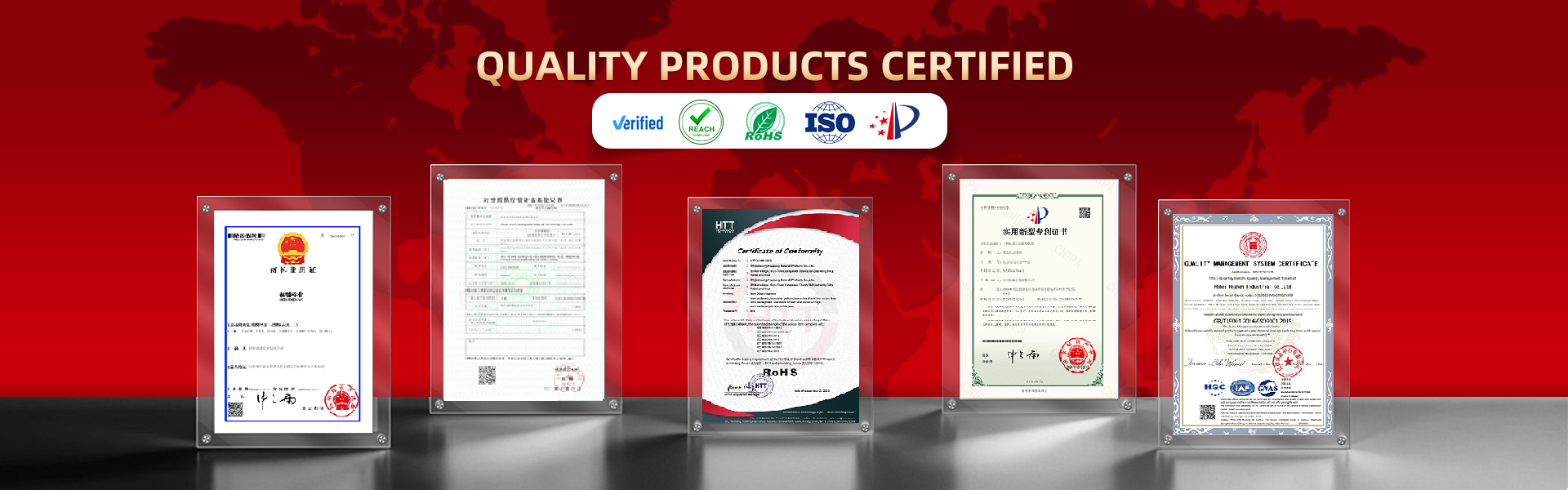
הכשרה של ספקים בחרו ספקים עם תעודות רשמיות, ציוד בדיקה מלא ואיכות מוצר יציבה. מומלץ לבחור ספקים עם אישור מערכת ניהול איכות ISO9001 ותעודות בטיחות מוצר רלוונטיות כדי להבטיח את אמינות המוצר.
5. השוואה של טלק לחומרים דומים אחרים
בישומים תעשייתיים, טלק נוהג להיות משולב בהשוואה לחומרים ממלאים אי-אורגניים דומים אחרים, כגון קאולין, סידן קרבונט ומיקה, ולכל אחד מהם יתרונות משלו ותחומי יישום מתאימים:
בהשוואה לקאולין : לקאולין יש פלסטיות טובה ולבנות גבוהה, מה שמתאים לתחומים כגון חרסינה וציפוי נייר, אך הלחיצות שלו, התנגדות החום והחיזוק נחותים מאלה של טלק. טלק מתאים יותר ליישומים הדורשים שימון וחיזוק, כגון פלסטיק וגומי.
בהשוואה לסידן קרבונט כarbonat הסידן בעל יעילות עלות גבוהה ותכונות מילוי טובות, אך התנגדותו לחום וחיזוקו נמוכים. הוא מתאים יותר ליישומי מילוי בדרגה נמוכה, בעוד שטאלק מציג ביצועים כלליים טובים יותר והוא מתאים למוצרים מדרגה גבוהה הדורשים שיפור בביצועים.
בהשוואה למקה מקה מציעה התנגדות מעולה לחום ובידוד חשמלי, מה שהופך אותה מתאימה לחומרים לבידוד חשמלי ולמוצרים היכולים לפעול בטמפרטורות גבוהות, אך רכותה ודלקותה חלשות יותר מאשר טאלק. טאלק היא רב-תפקודית יותר בתחום הדלקות, המילוי והחיזוק, ויש לה טווח רחב יותר של יישומים.
לסיכום, לטאלק יתרונות ייחודיים בתחום הדלקות, ההתנגדות לחום, החיזוק והבטיחות, והיא בלתי תחליפית בתחומים רבים של יישום.
מסקנה: טאלק – שותף טבעי להתפתחות התעשיינית
כמינרל רב-תפקידי טבעי, תאלק תרם תרומה חשובה להתפתחות מגוון תחומים תעשייתיים בזכות תכונותיו המمتازות. הוא לא רק מפחית את עלויות הייצור לעסקים, אלא גם משפר את איכות המוצרים ומעודד שדרוג תעשייתי. עם ההתקדמות המתמדת של המדע והטכנולוגיה, תחומי היישום של התאלק יתפשטו עוד יותר, ותפקידו בתעשייה המודרנית ישתנה לחשוב יותר.
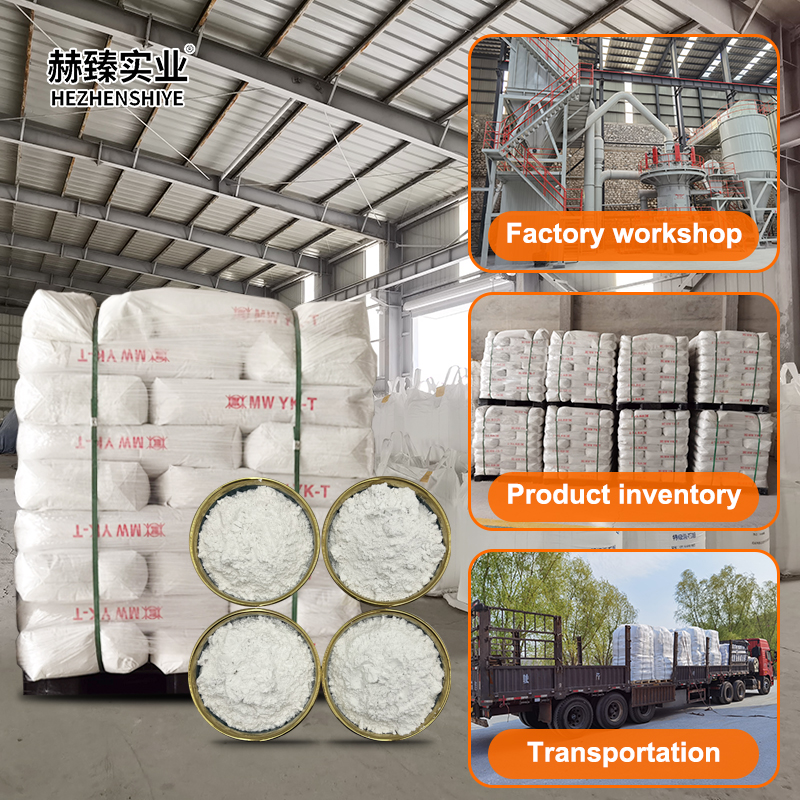
אנחנו ספק תאלק מקצועי עם משאבים מינרליים עשירים, טכנולוגיית עיבוד מתקדמת ומערכת בקרת איכות מושלמת. אנו מספקים מוצרים איכותיים מתאלק ופתרונות מותאמים אישית לתעשיות הפלסטיק, הקוסמטיקה, התרופות, הנייר ואחרות. המוצרים שלנו עברו בדיקות איכות קפדניות ועומדים בסטנדרטים הבינלאומיים, וזכו באמון והכרה מצד לקוחות בארץ ובחו"ל.
אם יש לכם דרישות גבוהות לנקיות של טלק, לגודל חלקיקים או לביצועי השטח, אנו יכולים לספק לכם שירותים מותאמים אישית ותמיכה טכנית. אנו מצפים בלב שלם לעבוד יחד איתכם יד ביד כדי ליצור עתיד טוב יותר בכוח המינרלים הטבעיים!