EN
EN

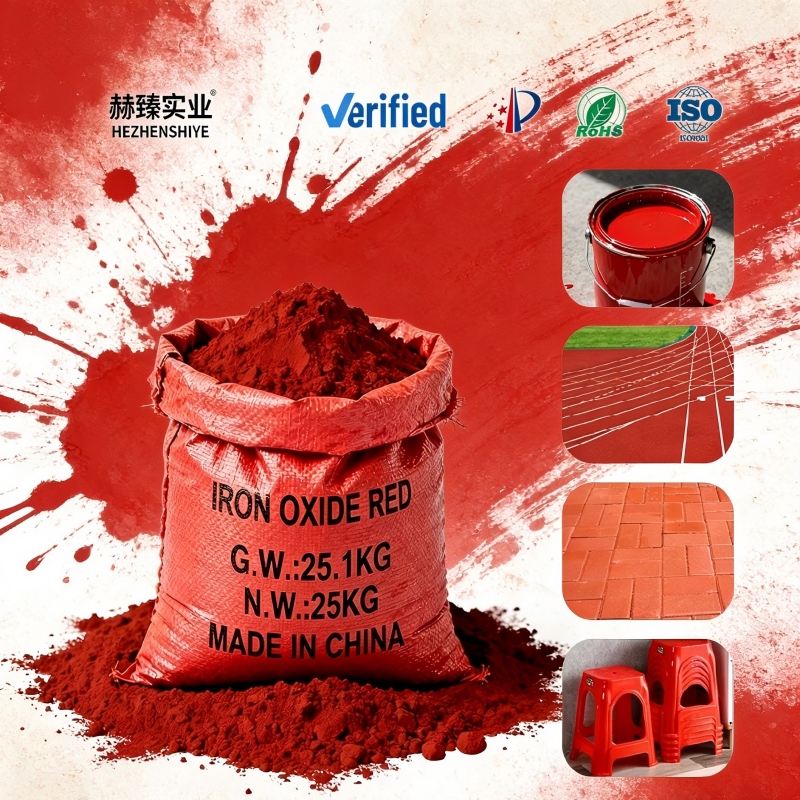
Iron oxide pigment is a kind of high-temperature resistant, stable and eco-friendly inorganic color pigment. It is one of the most widely used color additives in the modern ceramic industry. With excellent high-temperature stability, pure color rendering, strong tinting strength and low cost, it is perfectly suitable for daily ceramic tiles, pottery products, architectural ceramics, industrial ceramics and ceramic glaze coloring. Unlike ordinary organic pigments that are easy to fade and fail at high temperatures, iron oxide pigments can maintain stable color and performance in extreme ceramic firing environments. This article explains its core functions and practical advantages in the ceramic industry in simple and easy-to-understand language.
The most basic and core function of iron oxide pigment is stable ceramic body and glaze coloring. Ceramic production requires high-temperature firing above 1000 degrees Celsius. Most common color pigments will discolor, fade or decompose under high-temperature baking, resulting in dim color and inconsistent finished product tone. Iron oxide pigments have super high heat resistance. They will not change color or lose activity during the whole ceramic firing process. They can present stable red, yellow, brown and black tones, covering almost all mainstream natural ceramic colors. Manufacturers can adjust the dosage and proportion of iron oxide pigments to create uniform, delicate and rich color effects on ceramic blanks and surface glazes, greatly enriching the color diversity of ceramic products.
Iron oxide pigment provides excellent color uniformity and high tinting power for ceramic products. The fine powder particles of iron oxide can be evenly mixed with ceramic raw materials such as kaolin and glaze powder. It can disperse perfectly without agglomeration or color spots. Whether used for overall body coloring of ceramic tiles or surface glaze coloring of craft pottery, it can ensure every part of the ceramic presents consistent and smooth color. Compared with other ceramic pigments, iron oxide has higher tinting strength. A small amount of pigment can achieve ideal color saturation, effectively avoiding color difference between batches, reducing product defective rate and improving the overall appearance grade of finished ceramics.
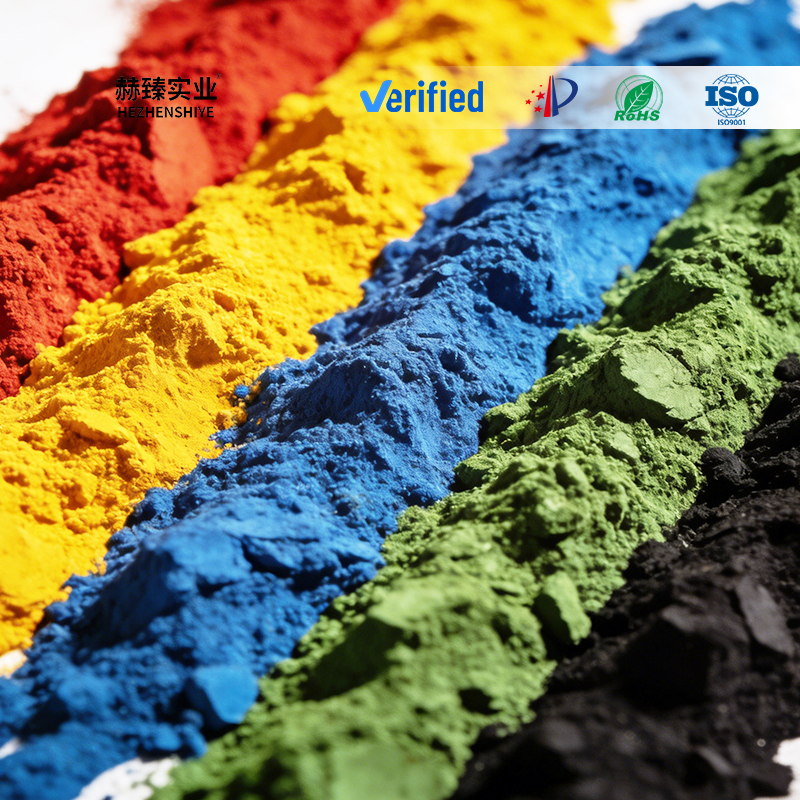
It effectively improves the durability and anti-fading performance of ceramics. Daily ceramic products are often exposed to light, water washing, friction and temperature changes. Poor-quality pigments will gradually fade and become dull after long-term use. Iron oxide pigment has outstanding light resistance, weather resistance and corrosion resistance. After high-temperature firing and solidification inside the ceramic structure, its color molecules are firmly combined with the ceramic body. It will not fade or discolor due to long-term sunlight exposure, daily cleaning, water soaking and surface friction. It keeps ceramic products bright in color and brand-new for a long time, which is very suitable for wall tiles, floor tiles, outdoor architectural ceramics and long-term used household pottery.
Iron oxide pigment optimizes ceramic firing stability and product yield. Many colored pigments will produce gas decomposition or volume expansion during firing, resulting in ceramic bulges, pores, cracks and glaze surface defects. Iron oxide pigment has stable physical and chemical properties. It does not decompose, volatilize or expand during high-temperature firing. It fits perfectly with ceramic blank and glaze materials, does not damage the original compact structure of ceramics, and will not cause surface flaws. It helps maintain smooth glaze surface and complete ceramic body structure, effectively improving the qualification rate of ceramic firing and reducing production waste.
In addition, iron oxide pigment has good compatibility and wide application range in the ceramic industry. It can be freely used for dry-powder coloring and wet slurry coloring, adapting to various ceramic production processes. It is suitable for interior wall tiles, exterior building ceramics, floor tiles, pottery crafts, daily tableware ceramics and low-temperature as well as high-temperature firing processes. Meanwhile, it has strong matching ability with other ceramic auxiliary materials, which can be mixed with other inorganic pigments to create gradient colors, mixed colors and natural texture effects, meeting the personalized and diversified design needs of modern ceramic products.
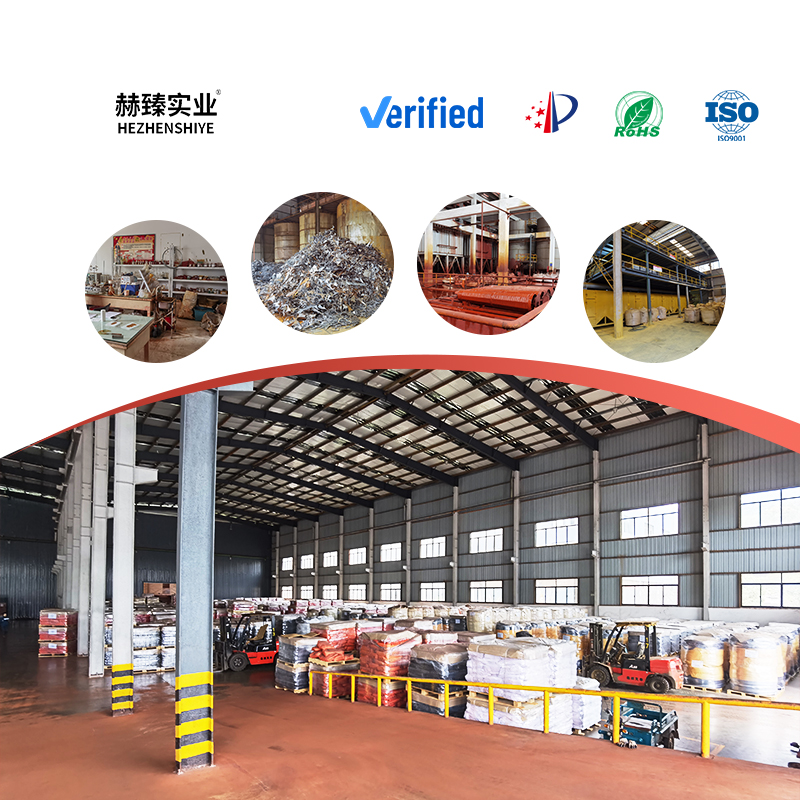
As a pure inorganic mineral pigment, it also has obvious environmental protection and cost advantages. Iron oxide pigment is non-toxic, tasteless and pollution-free. It produces no harmful gas or residue during firing and use, fully meeting the safety standards of household ceramics and architectural ceramics. At the same time, it is more cost-effective than rare metal ceramic pigments. It has stable supply and low comprehensive usage cost, helping ceramic manufacturers reduce raw material expenditure while ensuring product color quality. It is a high-cost-performance coloring material for mass ceramic production.
To sum up, iron oxide pigment is an essential color material for the modern ceramic industry. It features high-temperature resistance, stable coloring, uniform dispersion, anti-fading durability and eco-friendly safety. It not only enriches ceramic color styles and improves product appearance quality, but also stabilizes firing production and reduces manufacturing costs. It has become the most widely used general pigment for civilian and industrial ceramic products.