EN
EN
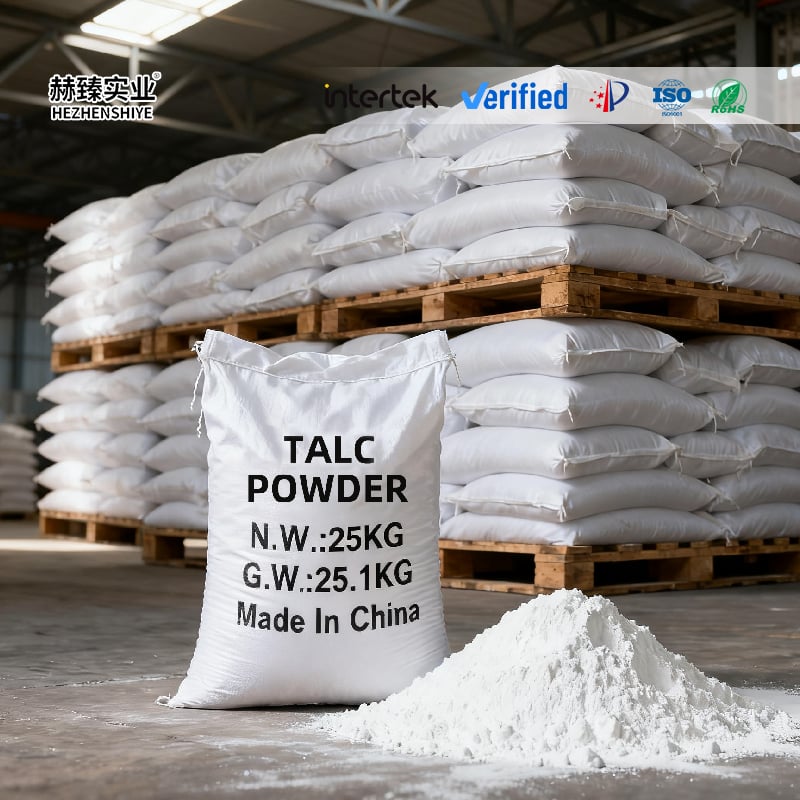
Talc powder is a widely used natural mineral functional filler in the paint and coating industry. With unique layered sheet structure, ultra-fine particle texture, excellent chemical stability, low oil absorption and good dispersion, it has become a basic and essential raw material for water-based paint, oil-based paint, architectural coatings and industrial protective coatings. Different from single traditional fillers, talc powder not only reduces production costs, but also greatly optimizes coating construction performance, film texture and long-term durability. This article explains its practical functions and core advantages in coating manufacturing in simple and easy-to-understand language.
The most fundamental function of talc powder is optimizing coating texture and improving surface flatness. Pure paint liquid contains tiny gaps and uneven molecular structures after film forming, which may lead to rough surface, fine particles and uneven gloss. Talc powder consists of uniform layered fine particles. After fully mixing with paint base materials, it can fill the tiny gaps inside the coating layer. It makes the paint film denser, smoother and more delicate. After brushing or spraying, the finished surface presents uniform soft gloss without graininess or sagging marks, greatly improving the decorative grade of architectural and industrial coatings.
Talc powder effectively improves suspension stability and prevents paint settling and delamination. In daily storage of paint products, heavy pigments and fillers are easy to sink to the bottom, resulting in material delamination, hard sediment and uneven color. Talc powder has good suspension and anti-settling performance. Its special sheet structure can form a stable three-dimensional support system inside the paint liquid. It slows down the sinking speed of heavy particles, keeps the whole paint system uniform and stable, and avoids hard bottom sediment. It reduces the need for repeated stirring before use, improving construction convenience and ensuring consistent color of each batch of paint.
It significantly enhances weather resistance and anti-aging performance of coating films. Most architectural and outdoor industrial coatings are exposed to sunlight, ultraviolet rays, wind and rain erosion all year round. Ordinary paint films are prone to powdering, cracking, fading and peeling after long-term outdoor aging. Talc powder has excellent ultraviolet resistance and inert chemical properties. It can effectively isolate light and air erosion, slow down the oxidation aging speed of the paint film, and prevent surface powdering and fine cracks. It greatly prolongs the service life of outdoor coatings and maintains long-term bright and clean wall appearance.
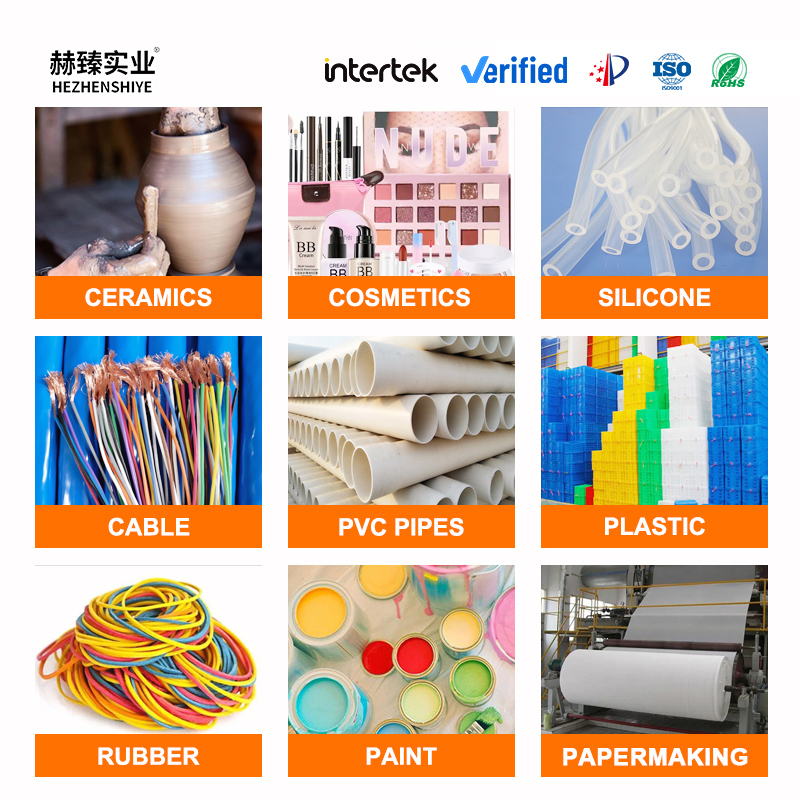
Talc powder strengthens coating hardness, wear resistance and scratch resistance. Pure resin paint film is relatively soft and easy to produce scratches and wear marks under slight friction. After adding talc powder, the mineral particles are evenly distributed in the paint film, which improves the overall hardness and compactness of the coating. The cured paint surface is more resistant to daily friction, wiping and minor scratches. It is not easy to leave traces, keeping the wall and equipment surface flat and neat for a long time, which is very suitable for indoor wall paint and equipment protective paint.
This mineral filler optimizes construction performance and avoids common coating defects. Talc powder has moderate oil absorption and excellent lubricity. It can adjust the viscosity and fluidity of paint liquid, making brushing, rolling and spraying construction smoother. It effectively improves paint leveling performance, reduces sagging, brush marks and orange peel texture during construction. Even in large-area continuous construction, it can form uniform and flat paint film. It lowers the technical difficulty of construction, reduces the defective rate of finished products and improves overall construction efficiency.
Talc powder improves the water resistance and moisture-proof performance of coatings. The dense filling structure formed by talc particles can reduce the internal pores of the paint film, effectively blocking the penetration of moisture and water vapor. It prevents the paint film from blistering, peeling and mildew caused by humid environment. For indoor moisture-proof coatings, basement wall coatings and rainy area exterior wall paints, talc powder can significantly enhance the waterproof and anti-seepage ability of the coating system, improving the environmental adaptability of paint products.
It provides stable chemical inertness and wide formula compatibility. High-purity talc powder will not react with resin, emulsion, pigments and various coating additives. It does not affect the curing speed, color rendering and adhesion of coatings. It has strong adaptability to water-based coatings, oil-based coatings, primer coatings, topcoat coatings and anti-corrosion coatings. It will not cause paint deterioration, discoloration or odor during long-term storage and use, ensuring stable product quality for a long time.
Talc powder brings excellent cost performance and environmental protection advantages. As a natural eco-friendly mineral filler, it is non-toxic, odorless and pollution-free, with no volatile harmful substances. It meets the safety standards of indoor decorative paints and civilian coatings. It can replace part of expensive resin raw materials, effectively reducing the comprehensive production cost of coating factories while stabilizing and improving coating performance.
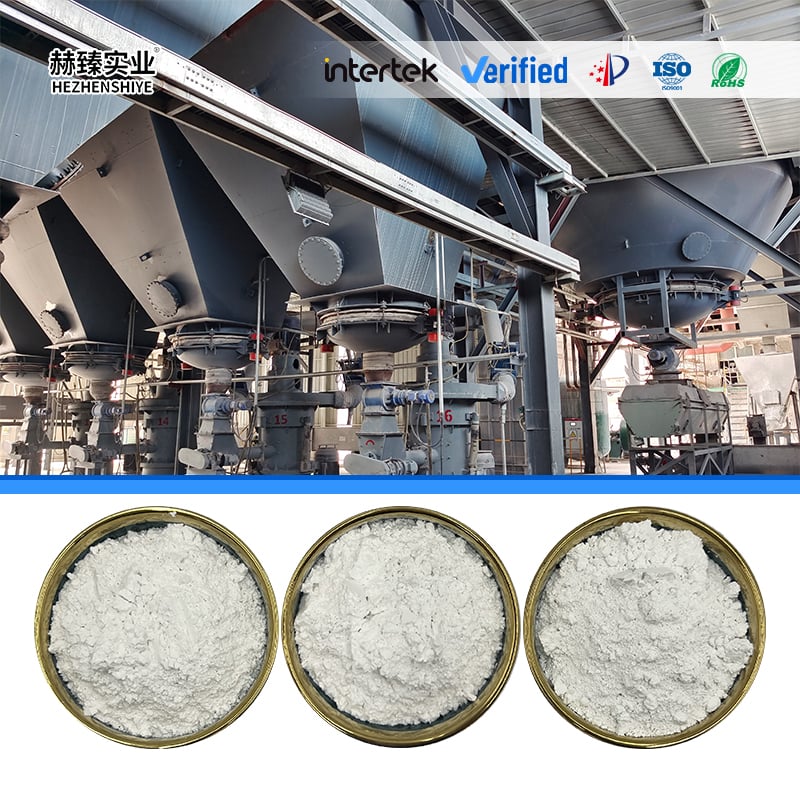
In summary, talc powder is an indispensable functional filler for the coating industry. It optimizes paint film flatness and suspension stability, improves weather resistance and surface hardness, perfects construction effect and enhances waterproof performance. With stable performance, strong compatibility and high cost performance, it has become the most widely used basic mineral material in modern paint and coating manufacturing.