EN
EN

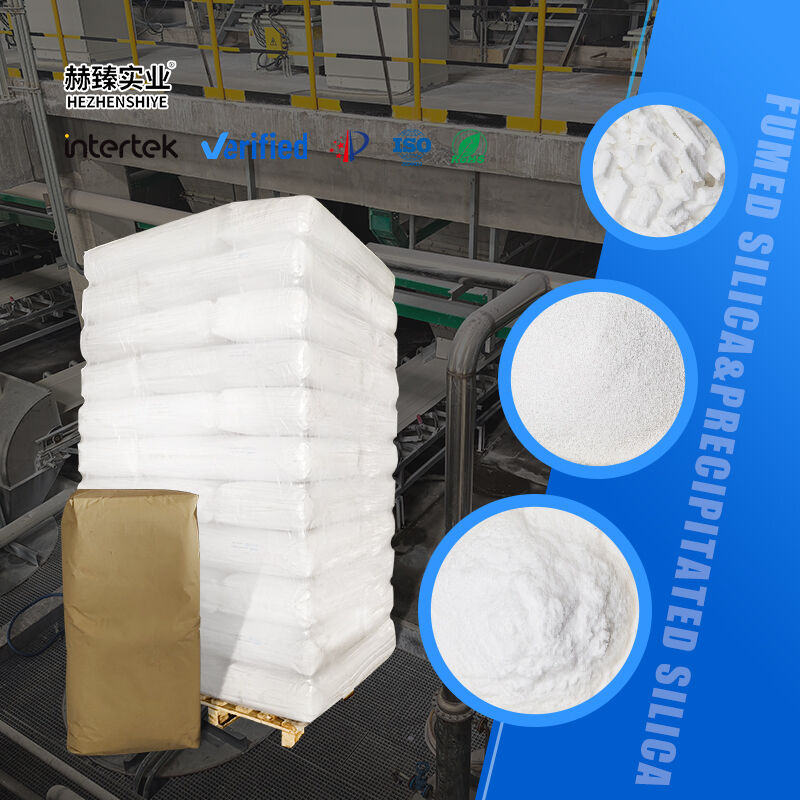
Within the field of inorganic non-metallic new materials, silica is a highly versatile and widely applicable functional filler, as well as a pivotal downstream product in the silicon chemical industry chain. Unlike traditional carbon black which is based on carbon, silica is essentially an artificially synthesized amorphous silicon dioxide hydrate. Leveraging its key advantages of being non-toxic, environmentally friendly, having tunable properties, and excellent adaptability, it effectively addresses the limitations of traditional carbon black—such as limited color options and poor applicability in certain scenarios—making it a critical supporting material for quality improvement and upgrading in industries including rubber, coatings, new energy, and fine chemicals, and holding an irreplaceable position in the modern industrial system.
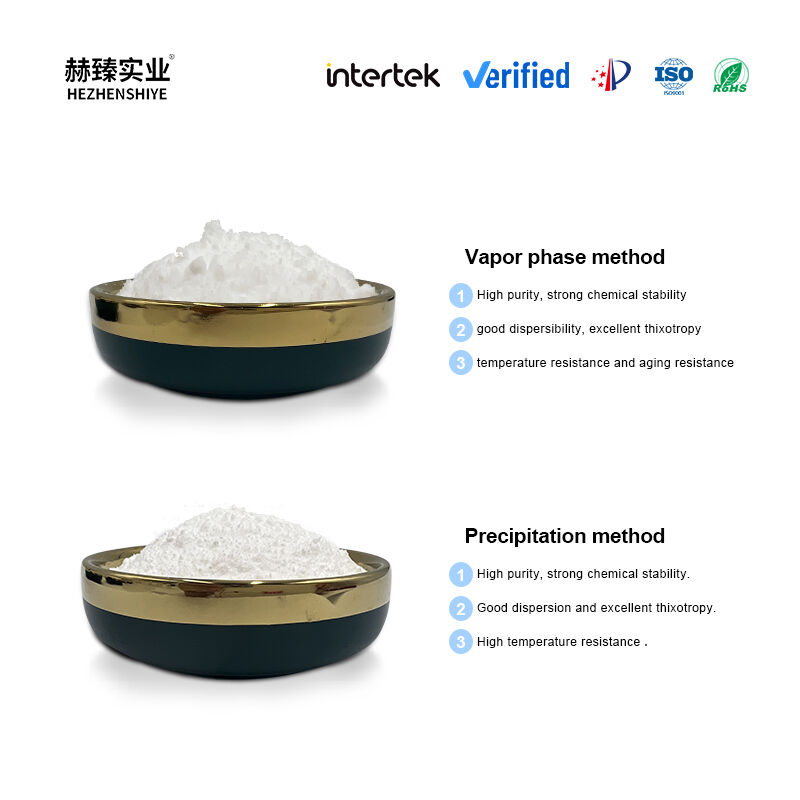
As a nanoscale fine powder material, the core competitiveness of silica lies in the composite properties derived from its unique microstructure. This material features extremely small particle size, high porosity, large specific surface area, and numerous unsaturated bonds and active hydroxyl groups on its surface, endowing it with exceptional interfacial adhesion capabilities. When blended with polymer materials for modification, silica disperses uniformly throughout the matrix to form a dense network structure that effectively transmits and distributes external forces, thereby significantly enhancing the mechanical performance of composites. Additionally, its outstanding chemical inertness, resistance to extreme temperatures, electrical insulation, thermal insulation, and UV aging make it suitable for various challenging operating conditions such as high temperatures, humidity, and corrosion, substantially extending the service life of end products.
Based on distinct preparation processes, the industry categorizes silica into two primary core types. These products exhibit significant differences in technical approaches, performance parameters, and application profiles, resulting in a market structure characterized by complementary offerings at different price levels. Sedimentation-process silica is the industry's mainstream product, manufactured via the wet synthesis method of silicates. It offers advantages such as high production capacity, cost controllability, and scalability, along with stable performance that meets filler requirements for general industrial applications. Widely used in fundamental sectors including general rubber products, conventional coatings, feed additives, and daily chemical products, it maintains the leading market share in the industry.
Gas-phase silica is a high-end refined product prepared through high-temperature gas-phase hydrolysis of silicon tetrachloride, achieving a purity exceeding 99.9%, with uniform particle size distribution, well-defined pore structure, absence of impurities, and excellent dispersibility. Compared to precipitated silica, gas-phase silica exhibits superior thickening, thixotropic, reinforcing, and hydrophobic properties, making it widely used in high-tech sectors such as advanced sealants, electronic components, premium automotive coatings, biomedicine, and aerospace – serving as an indispensable functional raw material for high-end manufacturing. Additionally, modified silica, as a derivative product, undergoes surface modification to enhance hydrophobicity or oleophilicity, addressing industry challenges like powder agglomeration and poor compatibility while further expanding its application scope.
The rubber industry represents the largest application market for white carbon black and serves as the core sector for its technological advancement. In the production of products such as eco-friendly tires, silicone components, sealing gaskets, and rubber shoe soles, white carbon black functions as a sustainable reinforcing filler that can replace traditional carbon black. It enhances the tear resistance, wear resistance, and aging resistance of rubber products while effectively reducing tire rolling resistance and vehicle energy consumption, aligning with the trends toward lighter and more environmentally friendly tires. Additionally, the colorless nature of white carbon black enables the production of colored rubber products, significantly expanding the range of rubber products and their applications.
The fine chemical industry represents the core application area where white carbon black demonstrates its key advantages. In the coatings sector, white carbon black serves as an eco-friendly matting agent and rheological modifier, enabling precise control of paint film gloss while imparting a refined matte finish. It enhances coating weather resistance, scratch resistance, and storage stability, effectively preventing issues such as sedimentation and delamination, and is widely used in wood coatings, industrial paints, and environmentally friendly architectural coatings. In ink formulations, it optimizes rheological properties, improves print clarity and adhesion, and meets the demands of high-speed printing processes. In the daily chemical and food industries, high-purity food-grade and pharmaceutical-grade white carbon black, due to its safety and non-toxic characteristics, is employed as a anti-caking agent, flow aid, and friction enhancer in products such as seasoning powders, infant formula, toothpaste, and cosmetics, ensuring consistent product quality.
With the explosive growth of the new energy industry, white carbon black has entered a new growth market. In the lithium battery sector, modified white carbon black can be used as a separator coating material, enhancing the separator's high-temperature resistance and puncture resistance, effectively mitigating thermal runaway risks, and significantly improving battery safety and cycle life. In photovoltaic and wind power applications, white carbon black is added to photovoltaic film coatings and wind turbine blade coatings to improve product weather resistance, aging resistance, and structural stability, meeting the long-term outdoor service requirements of new energy equipment and establishing itself as a key auxiliary material for new energy-related materials.
An overview of the industry's development reveals that China's silica industry has achieved a leapfrog transition from reliance on imports to achieving self-sufficiency and technological autonomy. While high-end fumed silica was long monopolized by foreign companies, domestic technological breakthroughs have steadily increased the localization rate of premium products. Concurrently, the sector is undergoing a comprehensive transformation toward green, low-carbon, precision, and specialized production models. Traditional energy-intensive and polluting processes are being phased out, while clean manufacturing and circular economy technologies have been widely adopted, significantly enhancing the industry's sustainability standards.
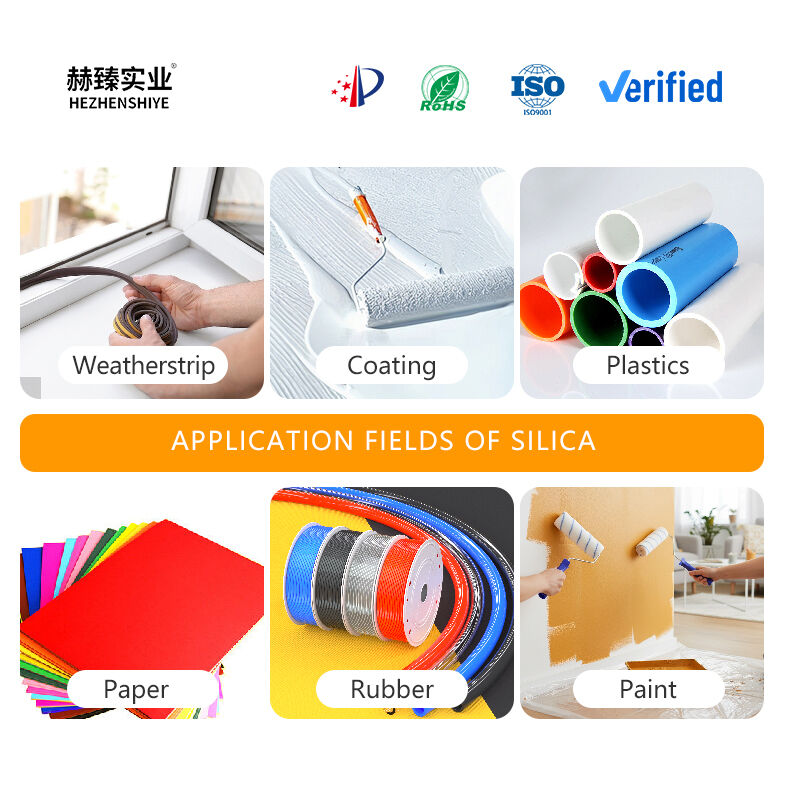
Currently, the rapid development of downstream sectors such as new energy, advanced manufacturing, and green building materials continues to drive demand growth for high-end silica. In the future, with the ongoing maturation of technologies like surface modification and precision synthesis, specialized, functionalized, and high-purity customized silica products will become the industry standard, continuously empowering industrial upgrades across sectors including rubber, coatings, new energy, and electronics/pharmaceuticals, and serving as a crucial foundation for the high-quality development of China's new materials industry.