EN
EN

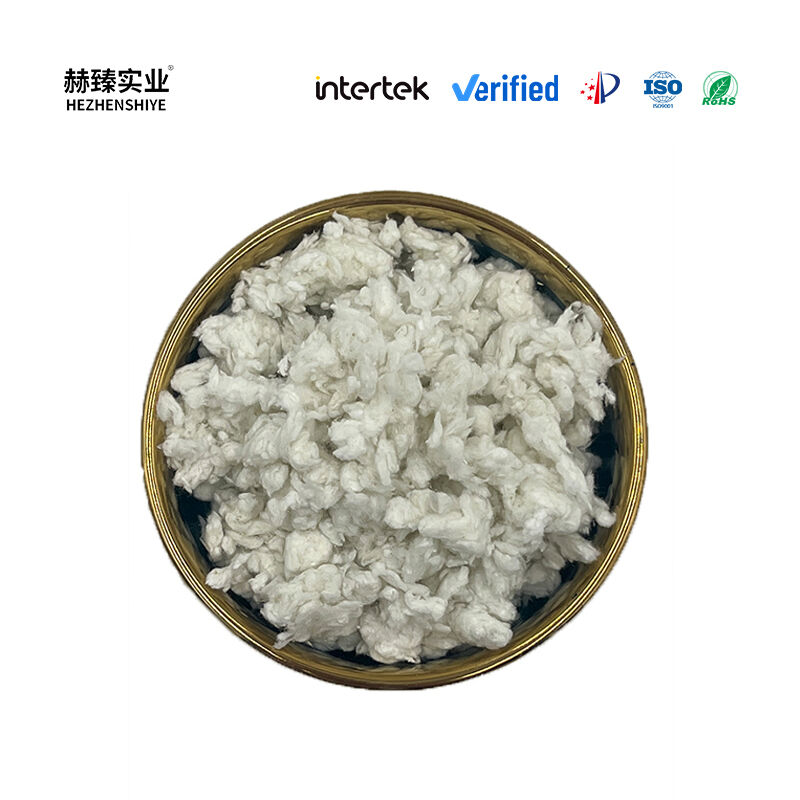
Hidden deep in the Earth’s crust, within regions shaped by unusual geology, lies a mineral that has changed the way we think about materials—sepiolite. Once processed into fiber form, this plain-looking clay becomes a substance with an extraordinary set of properties, making it one of the most adaptable industrial materials available today. What truly makes sepiolite fiber special is not just one outstanding feature, but a balanced combination of physical, chemical, and thermal characteristics that solve real-world problems across many sectors.
The secret behind sepiolite fiber’s performance lies in its unique crystal structure. It has a layered-chain arrangement: two layers of silicon-oxygen tetrahedra sandwich a layer of magnesium-oxygen octahedra, forming a 2:1 layered unit. The continuous tetrahedral layers have periodically reversed active oxygen directions, creating channels that run along the fiber axis. These channels, together with countless micropores between fibers, result in an extremely large specific surface area—up to 900 m²/g—providing enormous space for adsorption and interaction with other substances. This structure is responsible for the fiber’s most important traits: outstanding adsorption capacity, high porosity, and good ion-exchange ability.
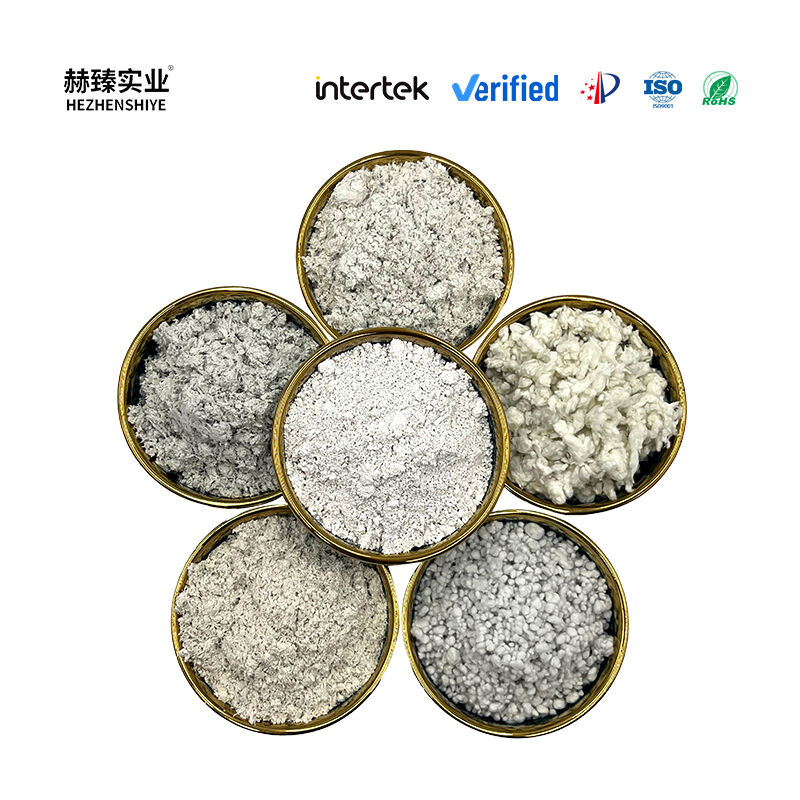
Adsorption is perhaps the most celebrated property of sepiolite fiber. Like a super-sponge, it can take in and hold liquids, gases, and solid particles far beyond its own weight. It readily absorbs water, oils, organic compounds, heavy metals, and various pollutants, making it priceless for cleaning and separation processes. Unlike many adsorbents, its action is selective and reversible—captured substances can be released through regeneration, allowing the fiber to be reused many times. This behavior is strengthened by its chemical makeup, which is rich in hydroxyl (-OH) and siloxane (Si-O-Si) groups that form strong bonds with target molecules.
When it comes to heat, sepiolite fiber is exceptionally stable. It keeps its structural and functional integrity at temperatures up to 1,000°C for long periods and can handle short bursts of even higher heat. This resistance to thermal breakdown is far better than that of most organic fibers and many other mineral fibers. It does not burn, releases no toxic fumes when heated, and has low thermal conductivity—around 0.04–0.06 W/m·K—making it a superb thermal insulator. These thermal qualities make it ideal for fire protection, high-temperature insulation, and any situation where heat resistance is critical.
Chemically, sepiolite fiber is inert and stable, resisting corrosion from acids, alkalis, salts, and most chemical reagents. It does not react with or break down in harsh environments, ensuring long-term performance even in corrosive conditions. This stability also applies to its electrical behavior—it is an excellent electrical insulator, with high dielectric strength and low conductivity. It also resists radiation well, further broadening its possible uses.
Physically, sepiolite fiber is lightweight, with a density of 1,000–2,200 kg/m³, and has a Mohs hardness of 2–2.5, so it is soft and easy to work with. Despite its softness, it has good mechanical strength when properly dispersed and integrated into composite materials. Its fibrous shape allows it to form interwoven networks, providing reinforcement and improving the tensile strength, flexibility, and crack resistance of the final products. It disperses evenly in both water-based and organic systems, forming stable suspensions without clumping easily—a major advantage in many industrial processes.
From an environmental perspective, sepiolite fiber is a model sustainable material. As a natural mineral, it is non-toxic, harmless to people and ecosystems, and biodegradable. Its mining and processing have a much smaller environmental footprint than synthetic fibers, and it can replace dangerous materials like asbestos in many uses. Major deposits are found around the world, with significant sources in Spain, Turkey, China, and elsewhere.
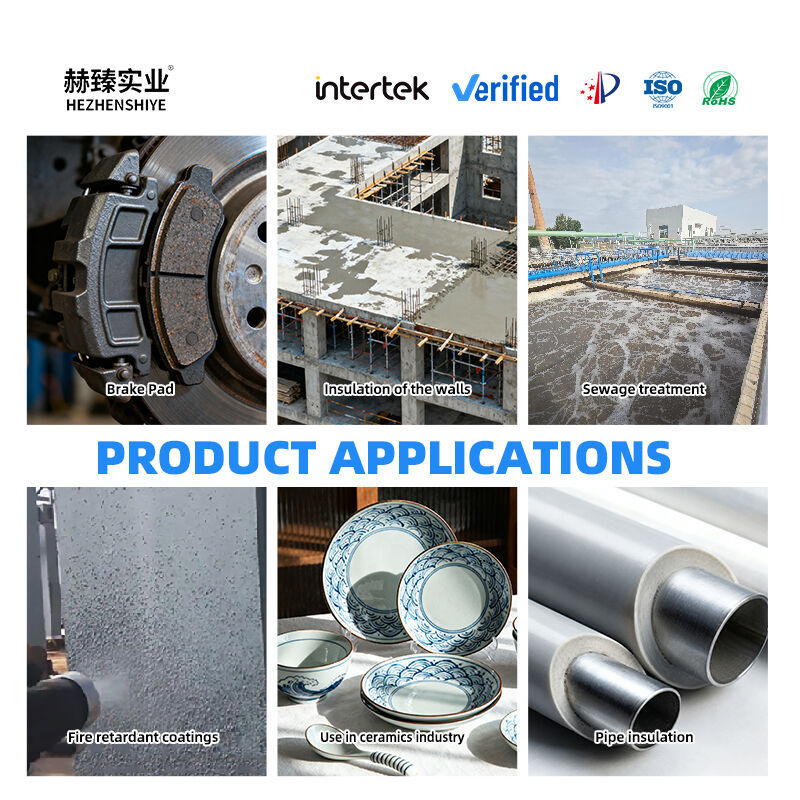
These exceptional properties lead to a wide range of practical applications. In construction, sepiolite fiber improves the performance of cement-based materials. Added to concrete and mortar, it reduces water permeability, improves workability, and greatly increases resistance to cracking, impact, and abrasion. Buildings made with sepiolite-enhanced materials are more durable, energy-efficient, and fire-safe. It is also used in lightweight panels, fireproof boards, and acoustic insulation, providing both thermal and sound insulation.
In automotive and transportation, sepiolite fiber is a key part of high-performance brake systems. As an ingredient in brake pads and linings, it gives stable friction under extreme heat and pressure, prevents brake fade, and extends the life of braking parts. Its asbestos-free nature ensures worker safety and helps meet environmental rules. It is also used in automotive gaskets, seals, and insulation materials, where its heat and chemical resistance are highly valued.
The oil and gas industry depends on sepiolite fiber for drilling fluids. As a mud additive, it improves viscosity, filtration control, and suspension properties, helping to cool drill bits, carry rock cuttings to the surface, and stabilize well walls. Its resistance to high temperatures and salty water makes it ideal for offshore and deep-well drilling.
In environmental cleanup, sepiolite fiber is a powerful tool for treating contaminated water and air. It effectively removes heavy metals, pesticides, dyes, and petroleum hydrocarbons from industrial wastewater, often achieving adsorption efficiencies above 95% for common pollutants. For air purification, it is used in filters to capture dust, smoke, and harmful gases, improving air quality in factories, offices, and homes.
Other applications include use as a filler and reinforcement in rubber, plastics, and papermaking to boost strength, durability, and printability; a carrier for fertilizers, pesticides, and medicines to ensure controlled release and effectiveness; a raw material for ceramics, refractories, and specialty coatings;etc.