EN
EN

News
Bentonite powder is a widely used natural mineral powder known for its excellent swelling, adsorption, thickening and bonding properties. It is applied in many industries such as filtration, purification, construction, casting, daily chemicals and environ
Time : 2026-07-14
Bentonite powder is the most essential and widely used raw material for making industrial drilling mud. With unique natural swelling, water absorption, viscosity and colloidal stability, it serves as the core functional material for all kinds of ground drilling projects, including oil well drilling, gas well drilling, geothermal drilling and foundation exploration drilling. Different from other chemical additives, bentonite is a pure natural mineral powder. When mixed with water, it quickly forms smooth, thick and stable mud. This drilling mud protects drilling equipment, stabilizes well walls and ensures safe, fast and continuous drilling work. This article explains the key functions of bentonite powder in drilling mud in simple and easy-to-understand language, helping you clearly know its core working principles and practical application values.
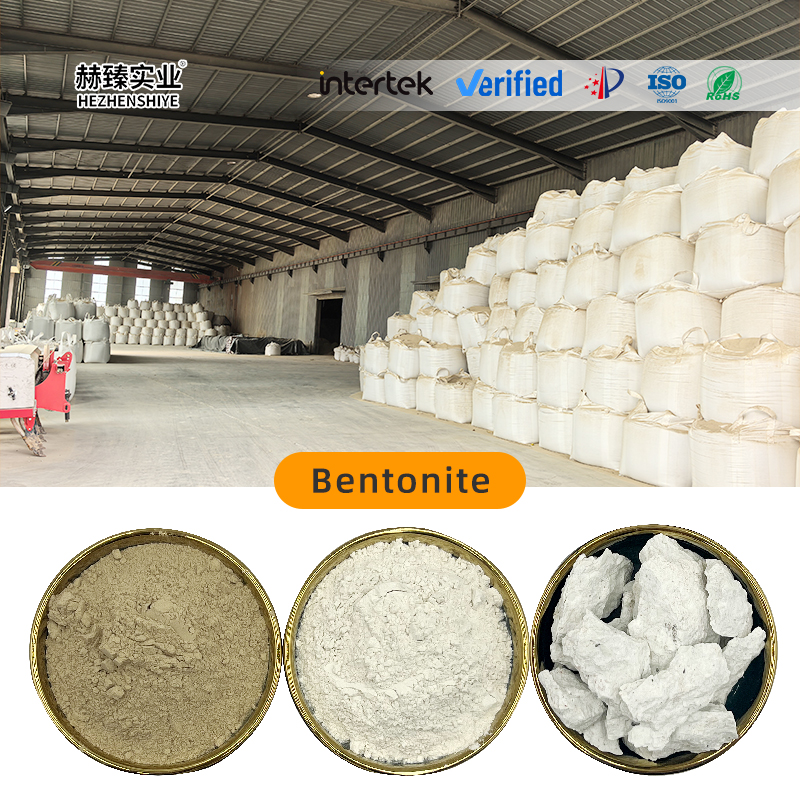
The most important function of bentonite powder in drilling mud is well wall stabilization and collapse prevention. During the drilling process, the underground soil and rock layers are loose and unstable. As the drill bit goes deeper, the drilled well hole is easy to loosen, crack or collapse due to underground pressure and water erosion, which may block the drilling hole and damage drilling tools. After bentonite powder is mixed with water, it fully swells and forms a fine, dense and adhesive mud layer. When the mud circulates inside the well, it evenly adheres to the inner wall of the drilling hole, forming a thin and tough protective film. This natural mud film firmly locks the loose soil and rock debris, effectively preventing well wall collapse, hole shrinkage and sand falling. It keeps the drilling hole complete and stable throughout the whole drilling process, greatly reducing construction risks.
Bentonite drilling mud plays a key role in cooling and lubricating drilling tools. High-speed friction between the drill bit and underground rock layers generates huge heat during continuous drilling. Long-term high temperature will cause drill bit wear, tool aging and even equipment damage, seriously shortening the service life of drilling tools. Bentonite mud has excellent fluidity and lubricity. The circulating mud continuously flows around the drill bit and drilling rods, taking away massive friction heat in real time and effectively cooling the working equipment. At the same time, the mud layer greatly reduces the friction resistance between the drill bit and rock soil, making drilling smoother and faster, lowering equipment loss and saving overall drilling costs.
Another core function is carrying and removing underground rock cuttings. Drilling will produce a large number of fine rock debris, soil particles and sand residues. If these wastes cannot be discharged in time, they will accumulate at the bottom of the well, block the drill bit, slow down drilling speed, and even cause drilling stuck accidents. Bentonite mud has stable viscosity and suspension capacity. It can wrap and suspend all kinds of tiny rock cuttings in the circulating mud, and carry these debris out of the ground smoothly along with the mud circulation. When the mud flows back to the ground, solid impurities settle down, and clean mud can be recycled again. This function ensures the bottom of the well is always clean, keeps the drill bit working efficiently, and supports long-term uninterrupted drilling operation.
Bentonite powder effectively balances underground pressure and prevents water and sand intrusion. Many underground strata contain high-pressure water layers and loose sand layers. Without effective pressure balance, underground water will gush into the well hole, or quicksand will permeate into the well, causing drilling failure and safety hazards. The dense bentonite mud forms stable hydrostatic pressure inside the well, which can resist external underground water pressure and sand layer impact. It effectively blocks underground water inflow and sand leakage, maintains the pressure balance of the drilling well, and ensures the whole drilling project proceeds stably and safely.
In addition, bentonite mud has good anti-leakage and wall sealing performance. Some underground rock layers have many tiny cracks and loose gaps, which easily cause drilling mud leakage and waste. The fine colloidal particles of bentonite mud can penetrate into small rock cracks, quickly fill and seal the gaps, and form a compact plugging layer. It greatly reduces mud leakage loss, improves mud utilization rate, and avoids material waste during construction. Meanwhile, its stable physical properties will not corrode drilling equipment or pollute underground soil and water sources, making it a safe and eco-friendly drilling material.
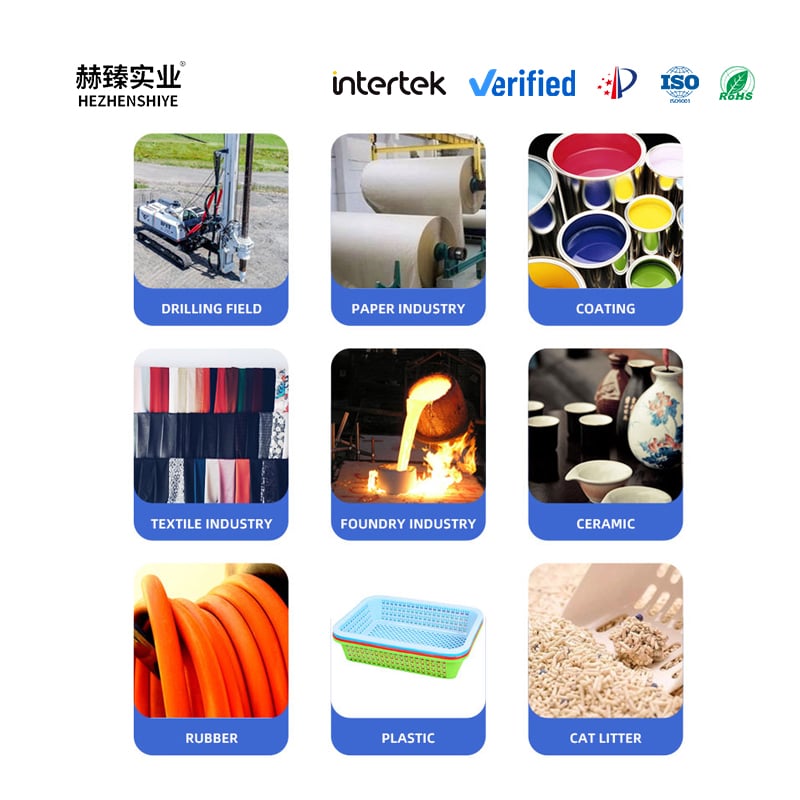
Compared with synthetic chemical drilling additives, natural bentonite powder has obvious advantages. It has strong swelling performance, high mud yield, good suspension stability and low impurity content. It is easy to mix, does not deteriorate easily, and can be recycled for a long time. It greatly reduces the overall cost of drilling construction while ensuring drilling safety and efficiency. Whether for shallow foundation drilling or deep oil and gas well drilling, high-quality bentonite powder is the most reliable and cost-effective core material for preparing standard drilling mud.
To summarize, bentonite powder is the fundamental material for qualified drilling mud. It stabilizes well walls, cools and lubricates tools, cleans well bottom debris, balances underground pressure and prevents leakage. With natural safety, stable performance and high cost performance, it has become an indispensable mineral material for all modern drilling engineering projects.