EN
EN

News
Basic Knowledge and Universal Uses of Volcanic Stone
Time : 2026-06-02
Volcanic stone, also widely called lava rock, is a pure natural stone formed by volcanic eruptions millions of years ago. It belongs to extrusive igneous rock, created when hot molten lava bursts out from the earth’s mantle and cools down rapidly in the open air or water. The fast cooling process traps countless tiny air bubbles inside the stone, forming its most iconic porous texture that distinguishes it from all ordinary stones. Unlike man-made materials, volcanic stone is completely free of chemical additives, radiation, and pollution, making it a safe and eco-friendly natural material for daily and industrial use.
The unique physical structure gives volcanic stone a set of excellent and practical properties. First of all, its porous surface brings outstanding air permeability and water drainage. The dense tiny holes can effectively store air and water, avoid water accumulation and stuffiness, and create a breathable environment. Meanwhile, despite its porous feature, volcanic stone has stable hardness and strong compression resistance, so it is not easy to break, deform or wear out in long-term use. It also features high temperature resistance, acid and alkali resistance, and corrosion resistance, which allows it to adapt to various harsh outdoor and indoor environments without aging or damage easily. In addition, pure natural volcanic stone is lightweight compared with common hard stones, making it convenient for transportation, installation and replacement.
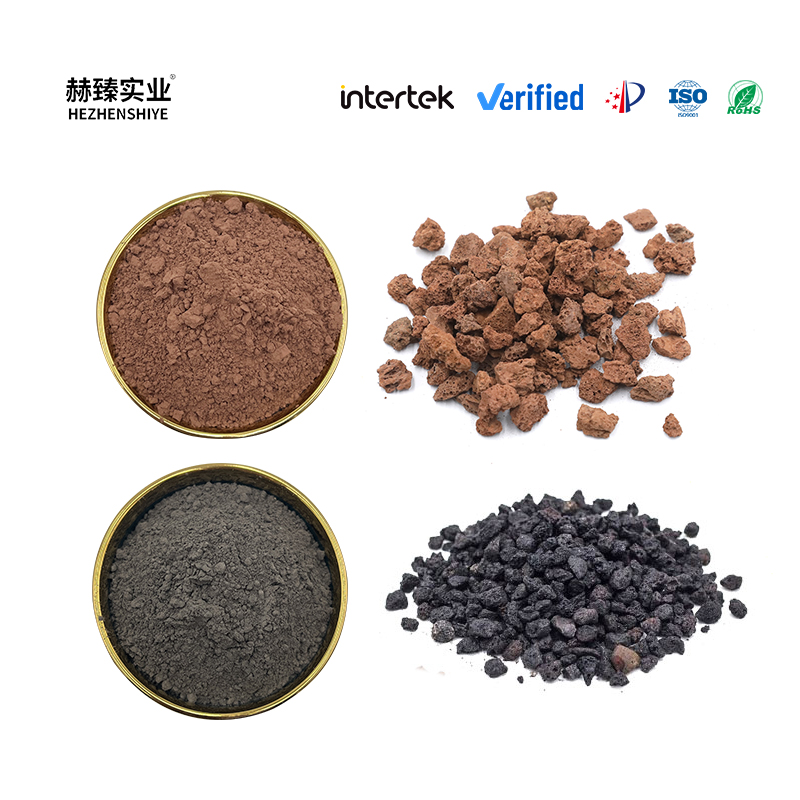
Thanks to these superior traits, volcanic stone has become a versatile material widely used in many daily scenarios. For gardening and plant cultivation, it is one of the most popular planting substrates. Gardeners often mix volcanic stone with soil to loosen the soil structure, prevent soil compaction, and improve root breathing for flowers, succulents, vegetables and potted plants. The tiny pores can store trace water and nutrients, slowly releasing them to plant roots, which helps reduce frequent watering and prevent root rot caused by overwatering. It also stabilizes soil temperature, protecting plant roots from extreme cold or heat in changing weather.
In landscape decoration, volcanic stone is favored for its natural and rugged appearance. Its dark gray, black or reddish-brown original color presents a primitive and minimalist natural texture, which can match various garden styles, rockery landscapes and outdoor green belts. It can be paved on garden paths, placed around green plants, or used to build small landscape rockeries, adding a natural wild charm to the space. Moreover, its sound absorption and heat insulation effects can slightly reduce outdoor noise and alleviate ground heat accumulation, optimizing the living environment.
Volcanic stone also plays an important role in environmental protection and purification. Its porous structure can absorb fine dust, harmful impurities and residual substances in water and air. It is commonly used for water filtration in fish ponds and landscape water bodies, purifying water quality and maintaining the ecological balance of water environments. In daily life, it can also be used for floor paving in balconies and courtyards, with good anti-slip performance due to its rough surface, ensuring walking safety in rainy days. As a natural and durable material, volcanic stone requires almost no complex maintenance, and it can keep its performance and appearance unchanged for many years, bringing high cost performance to users.