EN
EN

YANGILIKLAR
Litopon: Dunyodagi sanoat ishlab chiqarishni qo'llab-quvvatlaydigan ko'p funksiyali oq pigment
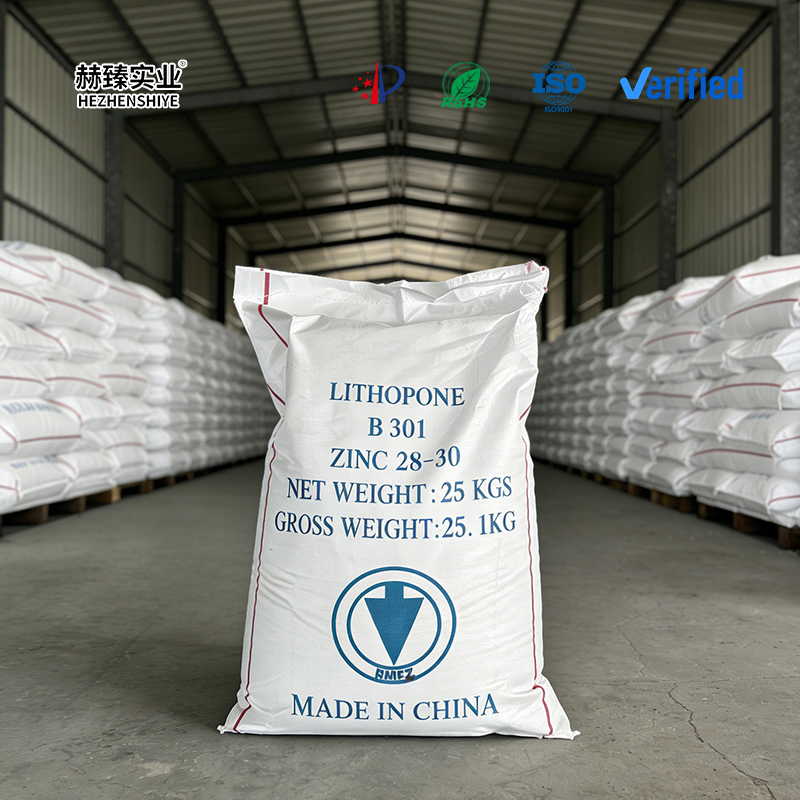
Dunyodagi sanoat ishlab chiqarish sohasida yuqori sifatli, arzon xom ashyolarga bo'lgan ehtiyoj doimiy ravishda saqlanib kelmoqda. Litopon , sink sulfid (ZnS) va barium sulfat (BaSO₄) dan tashkil topgan klassik noorganik oq pigment — asosiy material sifatida ajralib turadi. Ajoyib oq rangi, a'lo tarqalishi va noqirshin narx-sifat nisbati bilan tanilgan Litopon hozirda bir qancha muhim sanoat sohalarida afzal ko'riladigan tanlov bo'lib qolmoqda va ko'plab yakuniy mahsulotlarda innovatsiya va samaradorlikni rag'batlantirmoqda.
1. Qoplamalar va bo'yoqlar: Xarajatlarni samarali boshqarish asosidagi yakuniy qoplamalar
Qoplamalar sanoati Litopon uchun eng katta bozorni tashkil qiladi. Uning asosiy jalb qiluvchi jihati — qimmatroq titan dioksid (TiO₂) ni qisman almashtirish imkoniyatidir , bu esa asosiy ko'rsatkichlarga ta'sir qilmagan holda formulalash xarajatlarini sezilarli darajada kamaytiradi.
Arxitektura qoplamalari: Litopon ichki devor emulsiyalari, g'ishtlar va puttilar uchun ajoyib tanlovdir; u yorqin oq rang, pastki qatlamdagi nuqsonlarni yashirishda kuchli qoplam qobiliyati va yaxshi chayqalishga chidamlilikni ta'minlaydi. Bu material dunyo bo'ylab keng ko'lamli, xarajatlarga sezgir qurilish loyihalarida afzal tanlanadi.
Sanoat qoplamalari: U metall g'ishtlarida, yog'och qoplamalarida va umumiy sanoat bo'yoqlarida keng qo'llaniladi. Litoponning kimyoviy barqarorligi bo'yoq qatlamining qattiqlik darajasini va yopishuv qobiliyatini oshiradi, shu bilan birga avtomatlar, naylar va turli sanoat uskunalari uchun doimiy himoya ta'minlaydi.
Poroshakli qoplamalar: Lithoponeniing past neftni so'rish qobiliyati changli pokrovlar oqishini va tekislashini yaxshilaydi, bu esa silliqroq va bir xil yakuniy natija beradi. Uning a'lo issiqlik barqarorligi (200°C dan ortiqqa chidashi) ekologik toza, yuqori haroratda quritish jarayonlari uchun uning mos kelishini ta'minlaydi.
2. Plastmassalar: Estetika va ishlashni muvozanatlash
Lithopone ikki vazifani bajaradi — birinchidan, rang beruvchi modda va funksional to'ldiruvchi sifatida plastmassalar sohasida, shu sababli polimerlarni qayta ishlashda uning ahamiyati juda katta.
PVC va poliolefin mahsulotlari: Oq PVC naylar, profil va pol qoplamalari hamda poliolefin plenkalarda keng qo'llaniladi. U oxirgi mahsulotga yorqin, bir xil oq rang beradi va shuningdek, uning qattiqlik va o'lchovlar doimiylikini yaxshilaydi.
Bog'lanish plenkalari: Oziq-ovqat va qishloq xo'jaligi plenkalari uchun lithopone samarali ravishda noaniqlikni va yorug'likni bloklovchi xususiyatlarni oshiradi, bu esa tarkibidagi moddalarga UV nurlarining vayron qiluvchi ta'siridan himoya qiladi va saqlash muddatini uzartiradi.
Muhandislik plastmassalari: ABS, PS va boshqa rezinolar bilan mos keladi, u zarbali shakllantirish jarayonida eritmaning oqishini va formadan chiqarilishini yaxshilaydi, ishlab chiqarish samaradorligini oshiradi va nuqsonli mahsulotlar ulushini kamaytiradi. Uning yumshoq matosi (Mox qattikligi ~3) ishlov berish uskunalari ustida abraziv ta'sirni minimal darajada kamaytiradi.
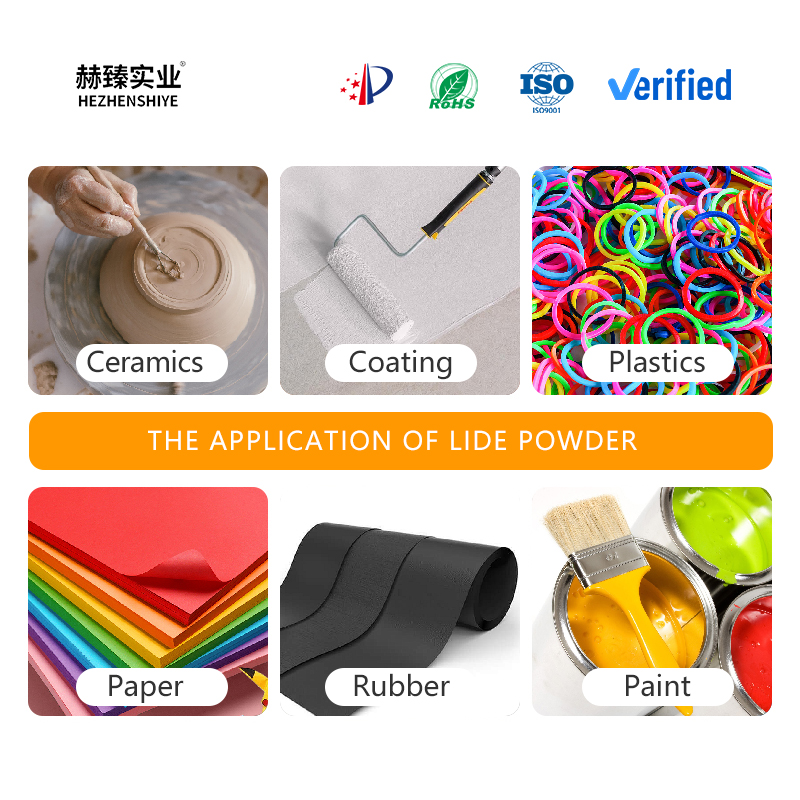
3. Rezina: Durabilitet va oq rangni yaxshilash
Rezina sanoatida Litopon kuchaytiruvchi modda va rangli modda sifatida ishlatiladi.
Oq rezina buyumlari: Oq etiketlar, germatikalar, probkalar va konveyer lentalarini ishlab chiqarishda muhim ahamiyatga ega. U ajoyib oq rang beradi, rezinaning cho'zilish mustahkamligini oshiradi va yoshlanishga hamda trog'lanishga chidamlilikni yaxshilaydi.
Sanoat rezina mahsulotlari: Boshqa oq pigmentlarga nisbatan arzonroq bo'lgan funktsional to'ldiruvchi sifatida ishlatiladi; rezinaning ishlov berish qobiliyatini va sirt sifatini yaxshilaydi.
4. Qog'oz va qog'oz karton: No'tekunlikni va bosma sifatini yaxshilash
Qog'oz sanoati Litoponni qoplam pigmenti va to'ldiruvchi sifatida ishlatadi.
Yuqori darajali qog'oz: Qog'ozning oq rangligi, nozorlik darajasi va silliqlikni sezilarli darajada oshirish uchun qoplam tarkibiga qo'shilgan. Bu yuqori sifatli bosma aniqlikka, tirik bo'yoq qaytarilishiga va umumiy holda ajoyib ko'rinish va hissga olib keladi.
Maxsus qog'ozlar: Doimiy oq rang va a'lo bo'yoq qabul qilish xususiyati muhim ahamiyatga ega bo'lgan kam miqdordagi yozish qog'ozlari, chizish qog'ozlari va bezak qog'ozlari uchun ideal.
5. Boshqa asosiy sanoat sohalari
Asosiy sohalardan tashqari, Litoponning ko'p funksiyali xususiyati turli nisbatan tor bozorlarga ham tarqalgan:
Bo'yoqlar: Suv asosidagi va ofset bosma bo'yoqlarning muhim tarkibiy qismi bo'lib, barqaror rang, yaxshi yashirish quvvati va keskin, uzoq muddatli bosmalar uchun a'lo oqish xususiyatlarini ta'minlaydi.
Emal va sopol buyumlari: Sopol glazuralari va emal fritlarida oq asosiy rang berish va pishirilgan sirtlarning parvarishlik darajasi va silliqlikini yaxshilash uchun ishlatiladi.
Teri va matolar: Teri qayta ishlashda va sun'iy teri ishlab chiqarishda oqartiruvchi vosita sifatida hamda yakunlovchi to'ldiruvchi sifatida qo'llaniladi, bu esa materialning ko'rinishini va strukturasini yaxshilaydi.