EN
EN
News
Sources and Applications of Polypropylene Fiber
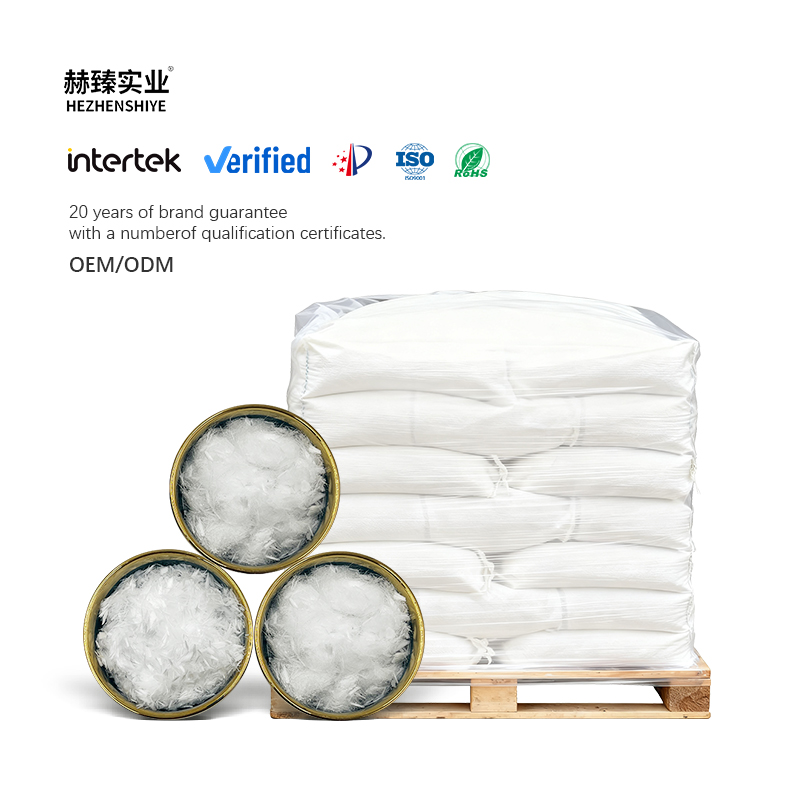
Polypropylene fiber, often shortened to PP fiber, ranks among the most popular synthetic materials used across industries today. Made by polymerizing propylene monomers, this thermoplastic fiber stands out due to its strong overall performance, low manufacturing cost, and stable molecular structure. Ever since it entered large-scale production, PP fiber has steadily replaced many conventional fibers—both natural and synthetic—and now serves as a key material in areas like consumer textiles, industrial components, infrastructure projects, and environmental systems. Its straightforward chemistry and well-established production methods have helped it maintain steady global demand and find new uses over time.
One of the biggest selling points of polypropylene fiber is its extremely low density. At just 0.91 g/cm³, it is the lightest common synthetic fiber on the market, even lighter than water, which means it can float. When you compare it to polyester, nylon, or cotton, PP fiber delivers the same surface coverage and structural support with far less weight. This lightweight nature brings real economic and practical benefits: it reduces the final product’s weight, lowers shipping and handling costs, and makes materials easier to use in various situations. For clothing, this means more comfort; for industrial composites, it means less load on equipment and lower energy use.
Another key property of polypropylene fiber is that it completely repels water. Unlike cotton or linen, which soak up moisture, PP fiber has no water-attracting groups in its molecular chain. Under normal conditions, its moisture regain is nearly zero. It does not absorb water, sweat, or damp air, and it will not swell, warp, or grow mold when exposed to moisture. This makes it especially useful in wet or humid environments. In rainy regions, PP fiber products won’t rot; in underwater or marine structures, they perform reliably for years. Plus, because it dries so quickly, it’s a go-to material for outdoor sportswear and waterproof fabrics.
Mechanically, polypropylene fiber offers a nice balance of toughness and tensile strength. It resists pulling, impacts, and repeated stress well, surviving many cycles of stretching and bending without breaking or deforming permanently. Unlike brittle mineral fibers or fragile natural ones, PP fiber has good flexibility and spreads out impact forces evenly. It also stands up to abrasion, handling daily rubbing and mechanical wear without falling apart. Dimensional stability is another plus—PP fiber shrinks very little after processing, so products keep their shape through washing, heating, or long-term use.
Chemically, polypropylene fiber is highly stable and corrosion-resistant, which is a major industrial advantage. It barely reacts with most common chemicals, including weak acids, weak alkalis, salt solutions, and many organic solvents. It won’t corrode, degrade, or lose strength when exposed to harsh chemicals, seawater, industrial wastewater, or corrosive soil. This is a big improvement over metals that rust or natural fibers that break down. In chemical plants, marine projects, sewage treatment facilities, or salty soil infrastructure, PP fiber can last for decades, cutting down on maintenance and replacement costs. It also resists mold, bacteria, and insects, so it won’t harbor microbes in damp, closed spaces.
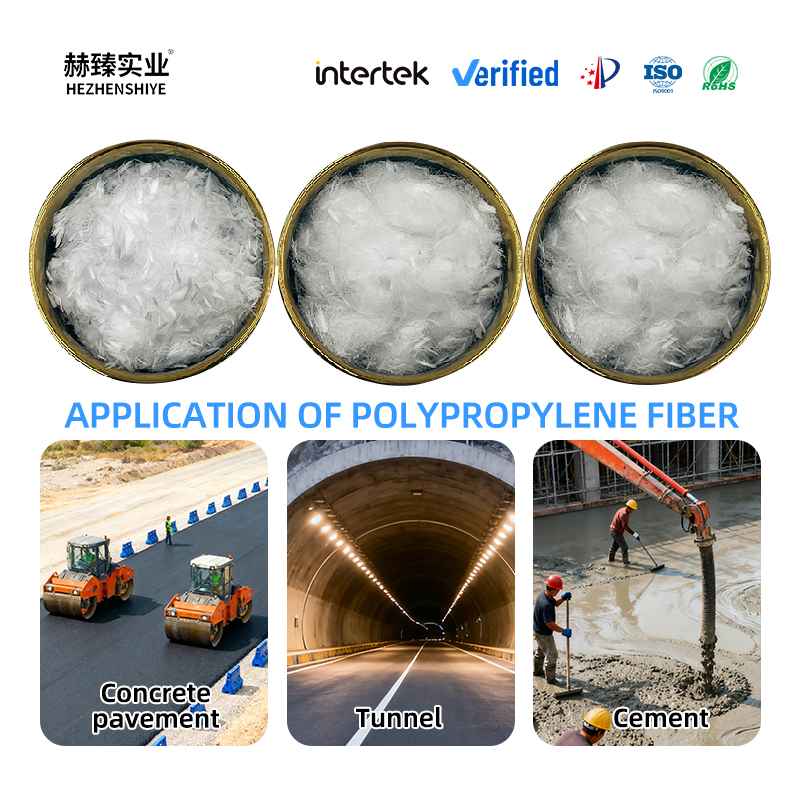
Electrically and thermally, polypropylene fiber works well as an insulator. It has very low conductivity and high dielectric strength, so it doesn’t easily pass current or suffer from static breakdown. This makes it useful for electrical insulation, cable wrapping, and isolating electronic parts. Its thermal behavior is steady in normal temperature ranges, with a melting point around 160–170°C. It stays tough even in cold conditions. With flame-retardant additives, PP fiber can also gain fire resistance, opening doors for use in fire-safe and high-temperature settings.
Finally, polypropylene fiber is easy to process and works well with other materials. It can be turned into staple fibers, continuous filaments, non-wovens, woven fabrics, and custom profiles through spinning, weaving, or hot pressing. It blends nicely with cotton, polyester, wool, and other fibers, letting manufacturers combine strengths and improve overall textile performance. During normal production and use, PP fiber does not release harmful substances or gases, making it safe and adaptable. Thanks to its perfect mix of light weight, durability, corrosion resistance, and insulating ability, polypropylene fiber has become an essential material in both industry and daily life.