EN
EN




Stable Performance ISO 9001 Approved Refined Hollow Synthetic Polymer Construction Base Glass Microballoon Glass Microsphere
Spu:
1601908961322
Parameter
PRODUCT HIGHLIGHTS
- Precise Spherical Uniform Structure: This premium glass microsphere material is fabricated through high-temperature melting and precise atomization molding technology, forming highly regular hollow and solid spherical microscopic units. Every microsphere maintains uniform roundness and complete structural symmetry without irregular fragments, deformed particles or angular defects. The standardized spherical morphology delivers stable physical performance and consistent structural foundation for industrial filling, coating modification and precision material compounding applications.
- Ultra-Low Bulk Density Advantage: Featuring unique hollow internal structure and lightweight glass matrix characteristics, glass microspheres present extremely low bulk density compared with traditional mineral fillers. When blended into coatings, plastics, rubber and composite materials, it effectively reduces the overall finished product weight, realizes lightweight structural optimization, and lowers base load pressure for engineering components and decorative materials.
- Excellent Dispersion Performance: Undergoing professional surface modification and anti-agglomeration treatment, glass microspheres achieve outstanding dispersion stability in water-based, solvent-based and high-temperature melt systems. The spherical particles can be evenly distributed in various formula systems without clustering, floating or layered precipitation, ensuring uniform texture and consistent functional performance of batch-produced composite materials.
- Enhanced Surface Smoothness: The ultra-fine and uniform spherical particles fill microscopic gaps and surface voids of polymer and coating substrates effectively. They optimize the flatness and delicate texture of finished product surfaces, reduce surface roughness, and minimize post-processing polishing and grinding procedures for industrial and decorative materials.








FAQs
What are glass microspheres and what are their main uses?
Glass microspheres are tiny, hollow or solid spherical particles made from soda-lime glass or borosilicate glass. They feature low density, high sphericity, good chemical resistance, and smooth surface. They are widely used as lightweight fillers, extenders, and functional additives in coatings, paints, plastics, rubber, composites, and industrial materials fields.
Which regions are the main exporters of glass microspheres?
The main exporting regions include United States, Germany, Japan, and South Korea, etc.
What quality standards should I pay attention to when importing glass microspheres?
When importing glass microspheres, key quality points focus on particle size distribution, sphericity, bulk density, hollow rate (for hollow types), chemical purity, and surface finish. The product should be free of impurities, broken beads, and agglomeration, with consistent particle performance.
How are glass microspheres packaged for international transportation?
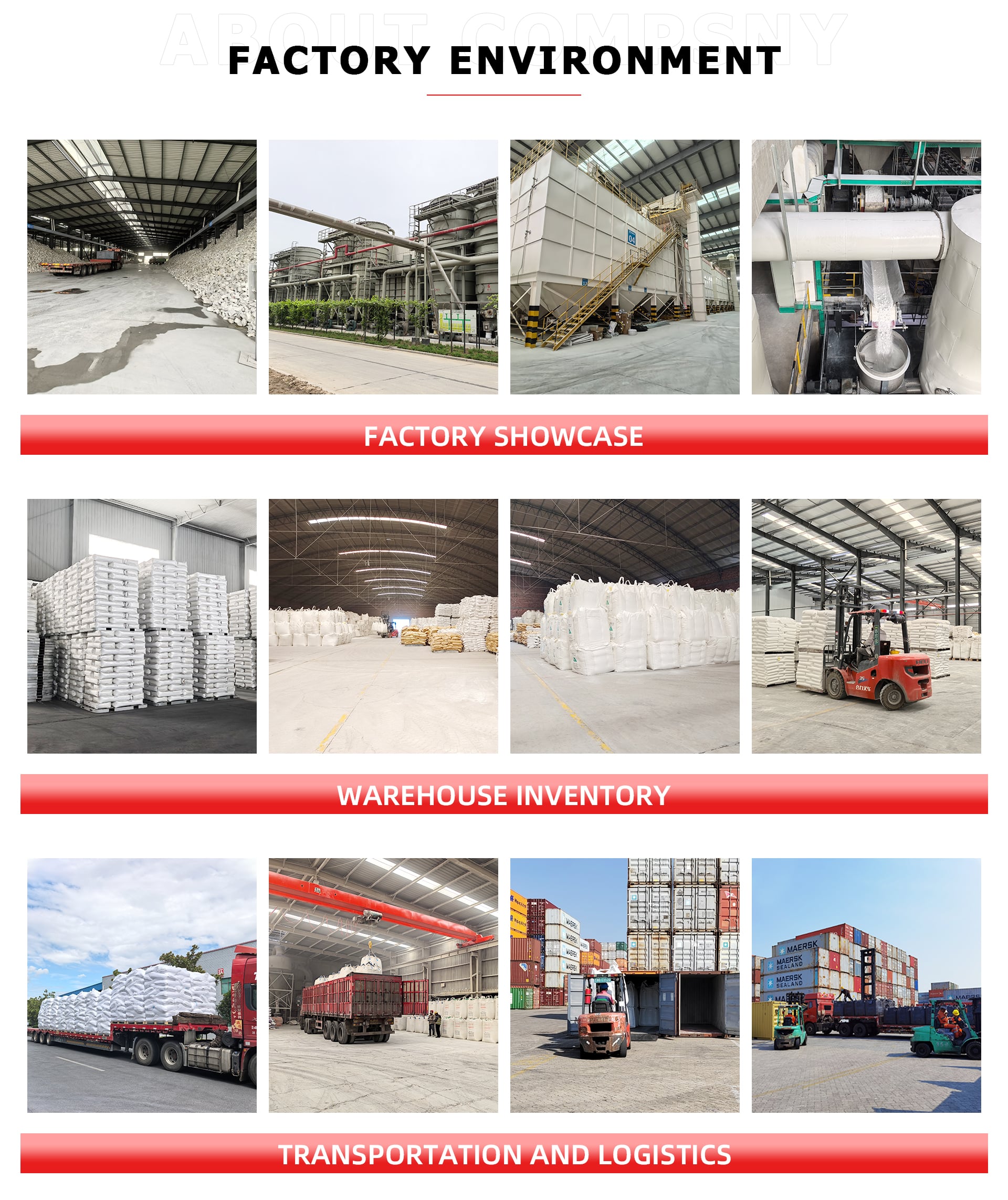
Glass microspheres are usually packaged in moisture-proof woven bags or kraft paper bags with inner plastic liners, which are tightly sealed to prevent moisture absorption, contamination, and dust leakage during transportation. For large bulk industrial orders, ton bags are commonly used, and packaged goods are often fixed on pallets with stretch film to ensure stability in loading, unloading, and long-distance transit.
What are the common trade terms in glass microspheres trade?
Common trade terms in glass microspheres transactions include FOB (Free On Board), CIF (Cost, Insurance and Freight) and EXW (Ex Works). The selection of specific terms depends on the negotiation between buyers and sellers on transportation responsibility, cost allocation, and risk transfer.
What documents are required for importing glass microspheres?
Generally required documents cover commercial invoice, packing list, bill of lading or airway bill, certificate of origin, quality inspection report.
What payment terms do glass microspheres suppliers commonly accept?
Most glass microspheres suppliers accept mainstream international payment methods, mainly telegraphic transfer (T/T) and letter of credit (LC). The conventional industry practice is to pay a certain proportion of deposit when placing an order to confirm production arrangement, and settle the balance before shipment or against the copy of the bill of lading, which effectively reduces transaction risks for both parties.
Can glass microspheres be customized for specific uses?
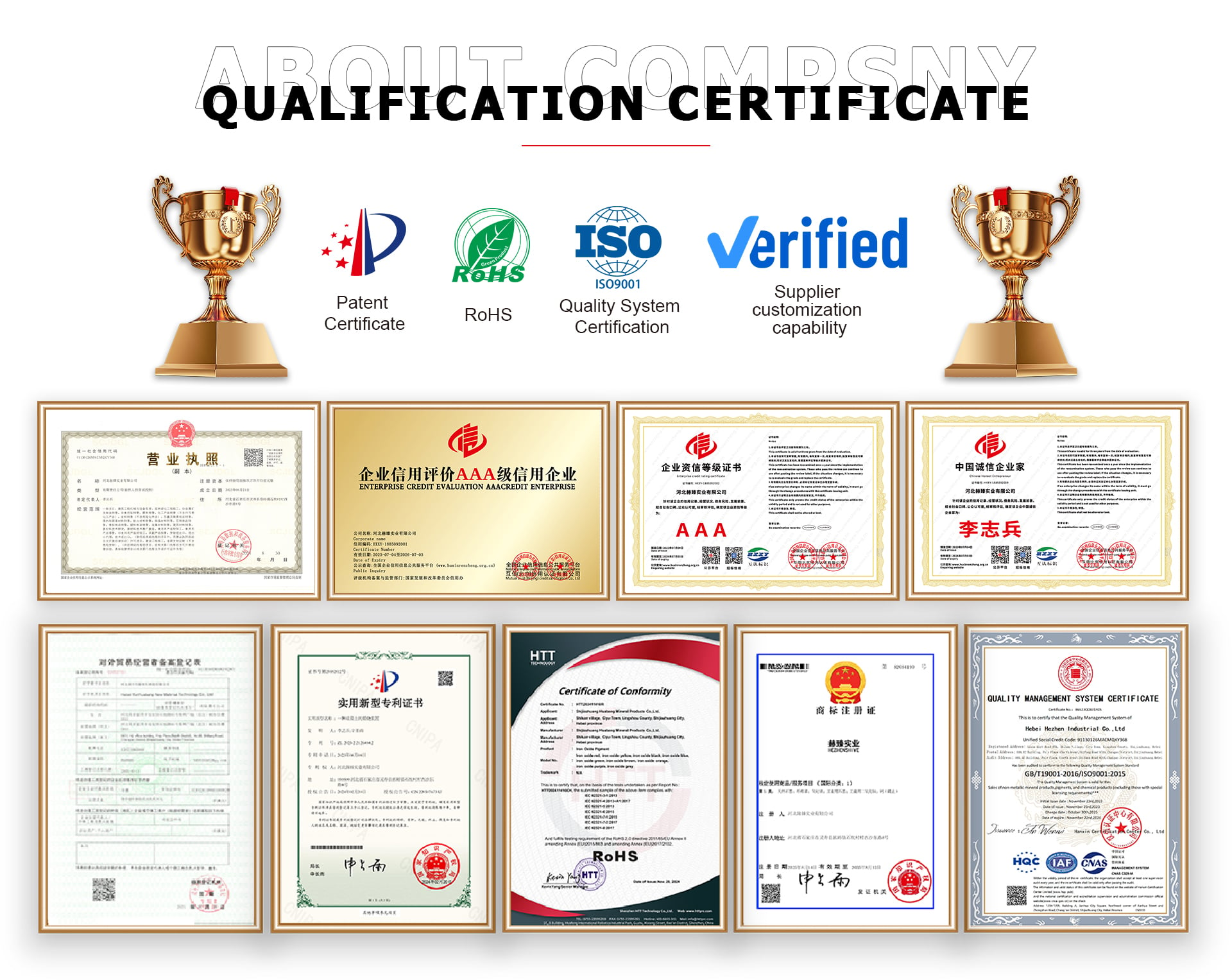
Yes, suppliers can provide customized products according to customers' actual industrial application needs. For example, they can adjust the particle size range, surface treatment process (such as silane coating), and wall thickness (for hollow beads) to improve the product's compatibility and performance in different application scenarios such as coatings, plastics, and lightweight composites, and customize packaging specifications to adapt to different storage and transportation demands.
Our Strength