EN
EN

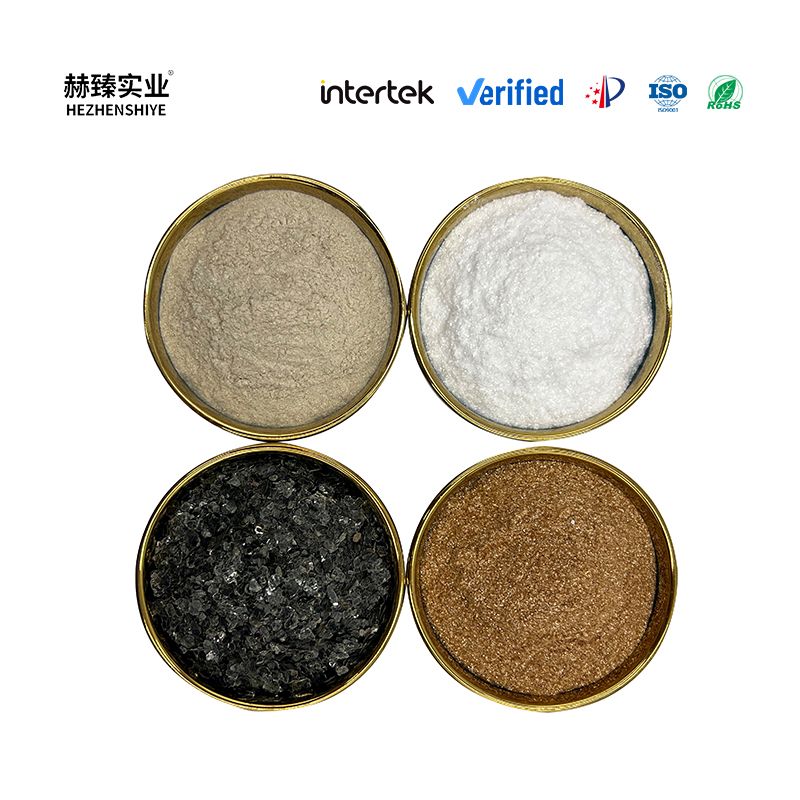
Sparkling Finishes: Enhances festive decorations with shimmering effects, adding a luminous, reflective quality to holiday ornaments and party decor, creating eye-catching displays that elevate celebratory events and special occasions
Versatile Application: Ideal for DIY holiday projects and crafts.
Muscovite Powder: Natural material adds unique texture and sparkle.
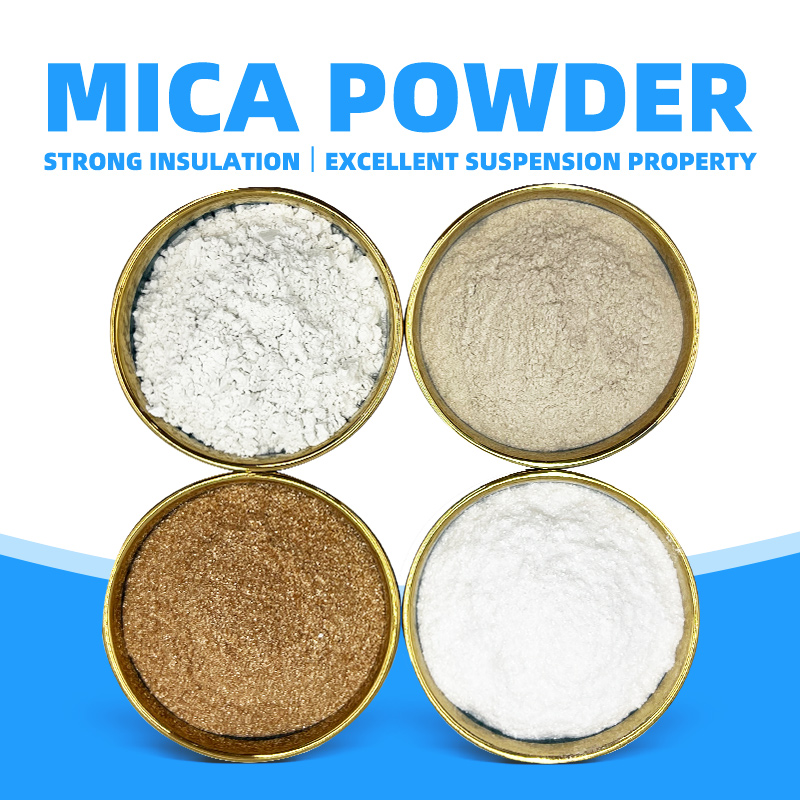
Customizable Colors: Choose from white, black, and more.
High-Quality Material: Ensures durability and consistent results.
Excellent Dispersion: Mixes seamlessly in liquid and solid media, eliminating clumps in epoxy resin art and paint formulations, ensuring uniform shimmer across large-scale murals and custom craft pieces for professional-quality finishes.
Light Reflective Properties: Boosts visual depth in decorative coatings, enhancing the brightness of holiday window treatments and table settings, while also serving as a functional additive in industrial coatings to improve light reflection and surface aesthetic.
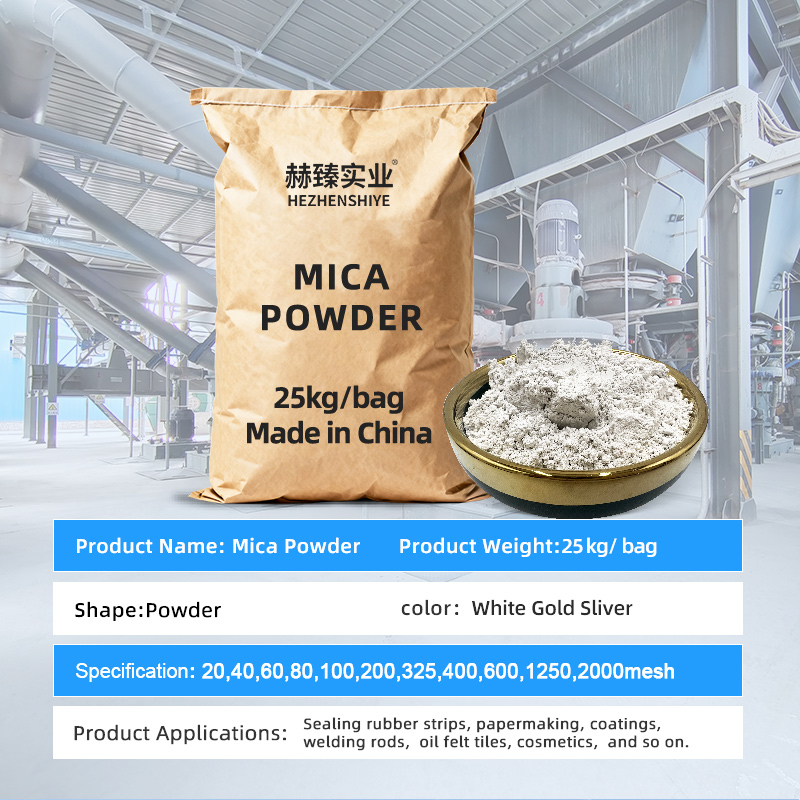
Natural Muscovite Snow White Pearlescent Powder 100-1250 Mesh Sparkling Christmas Holiday Artificial Snow Decoration Mica Powder
Spu:
1600962264450
Parameter
About Product
Highlight



About Us
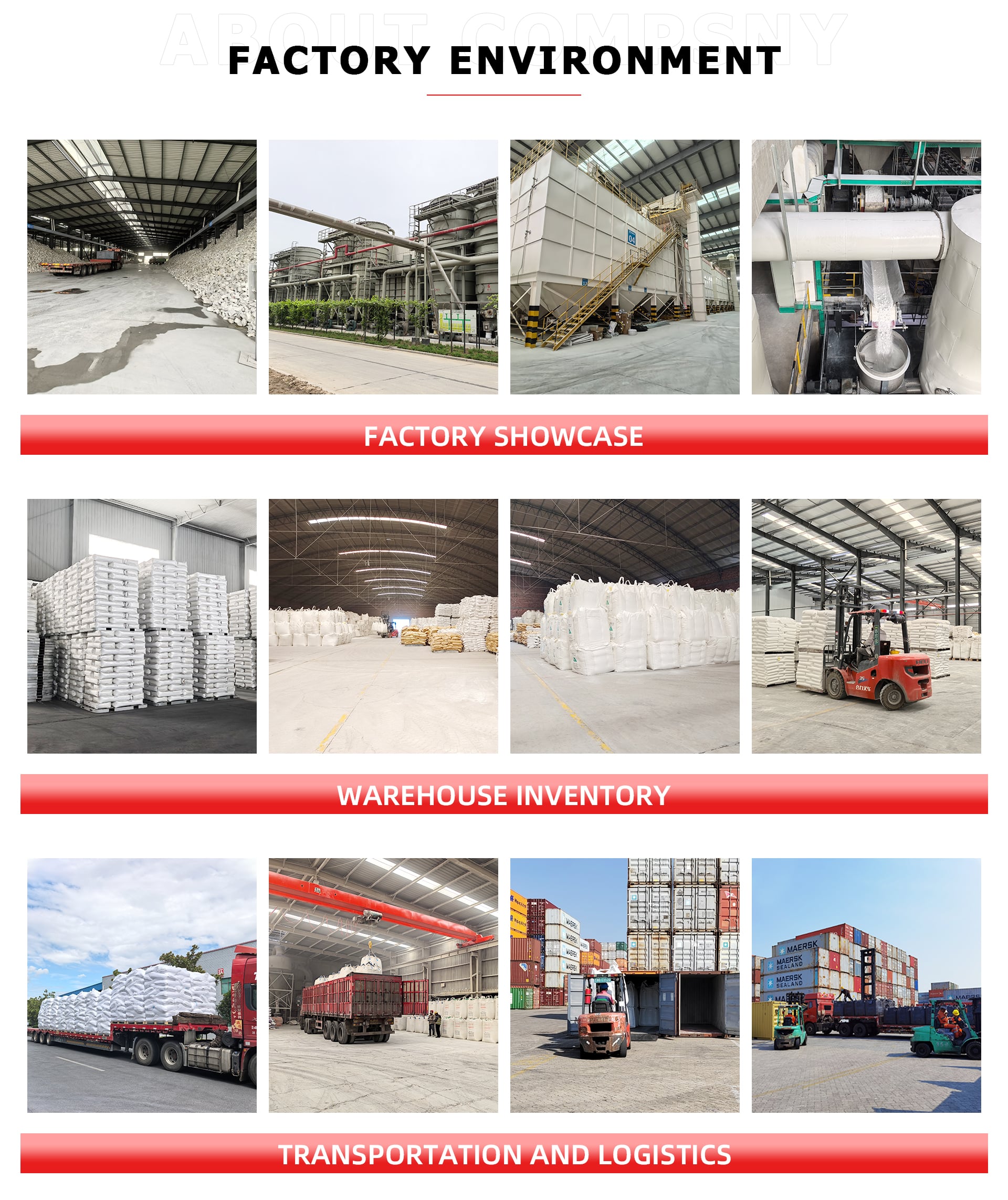
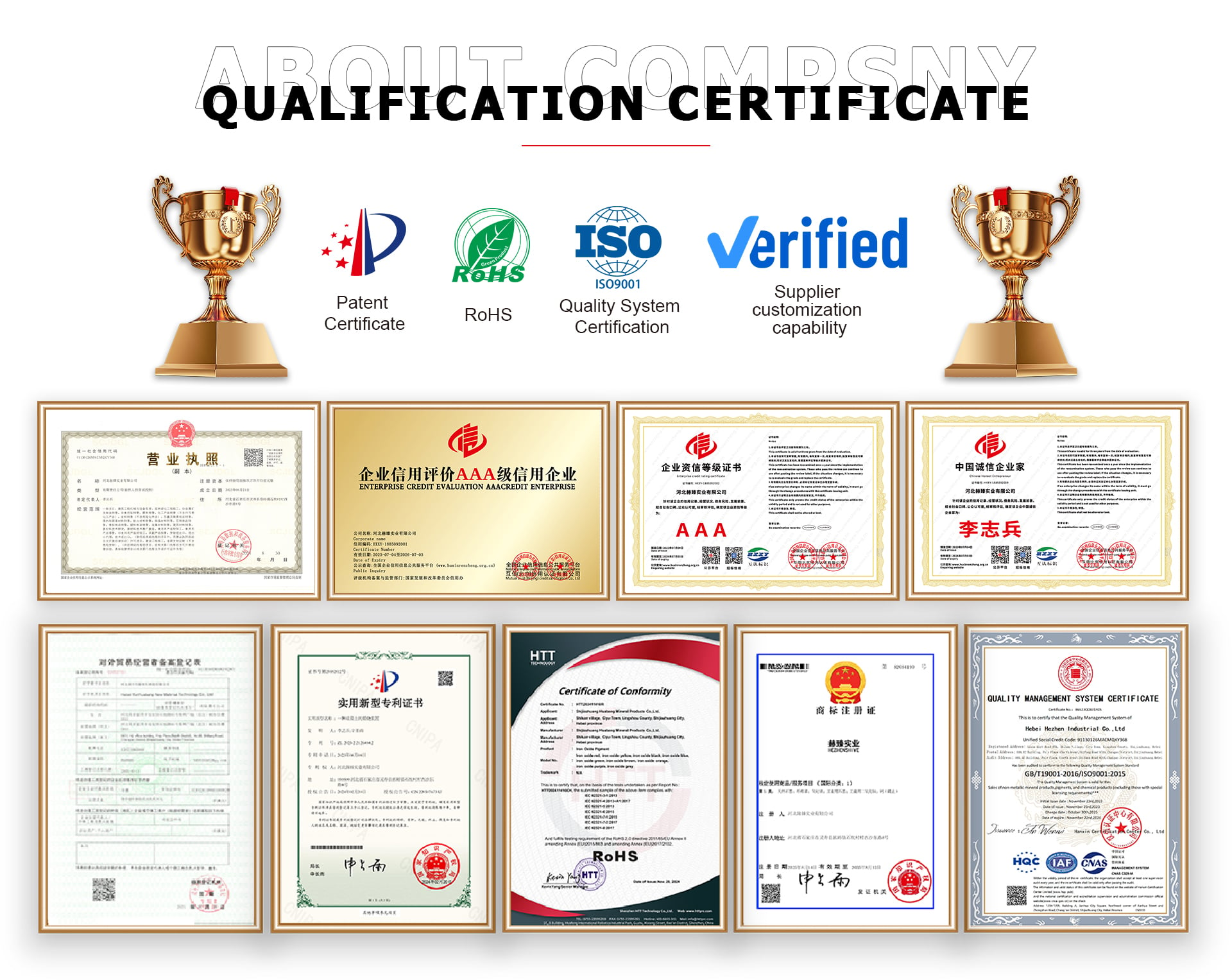
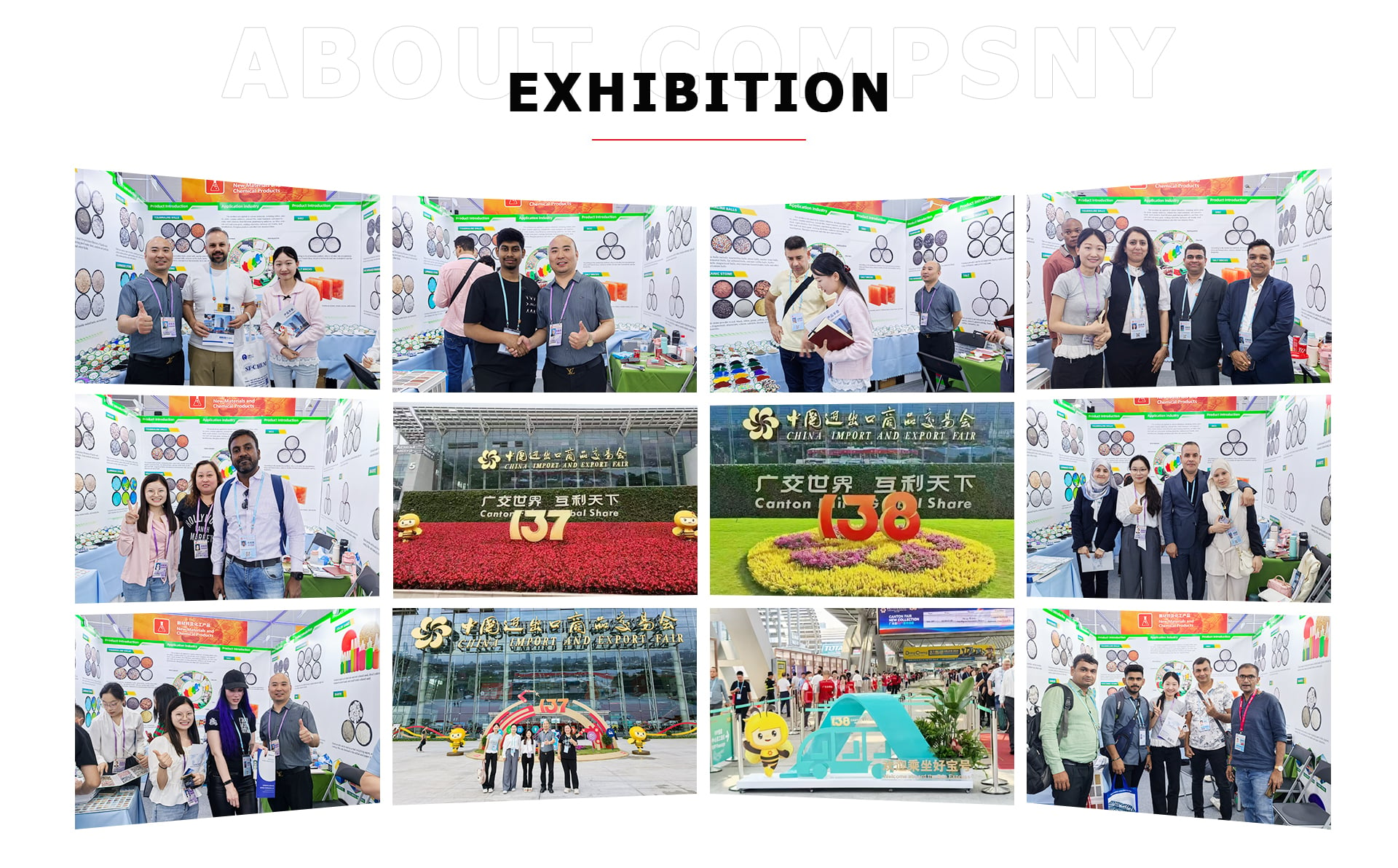
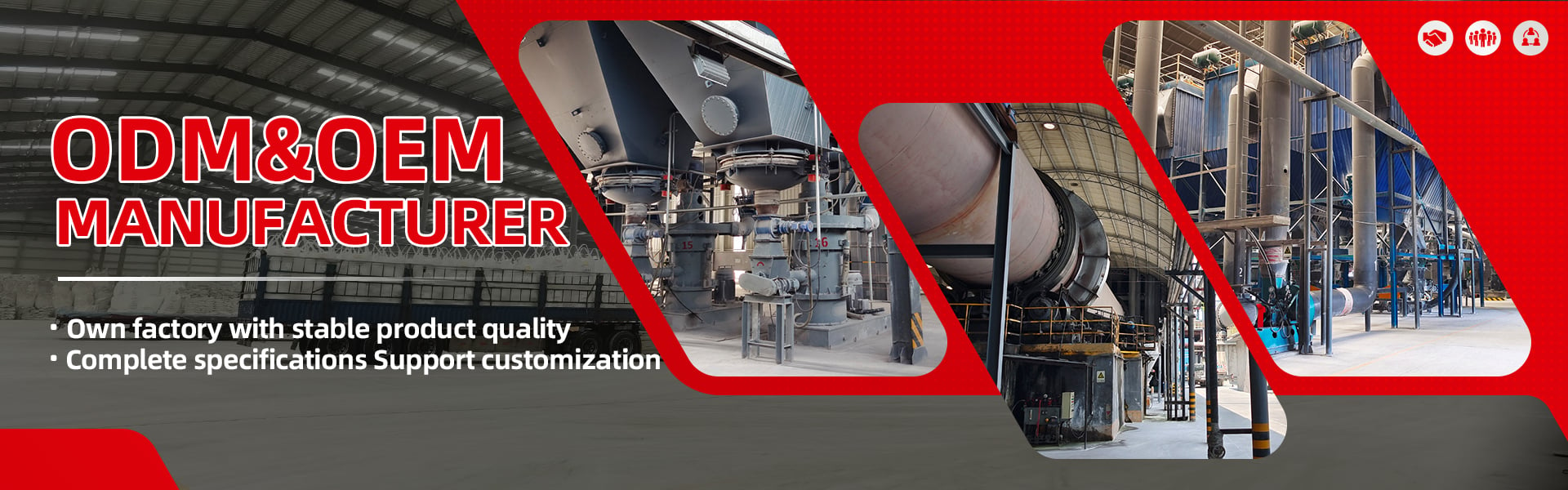
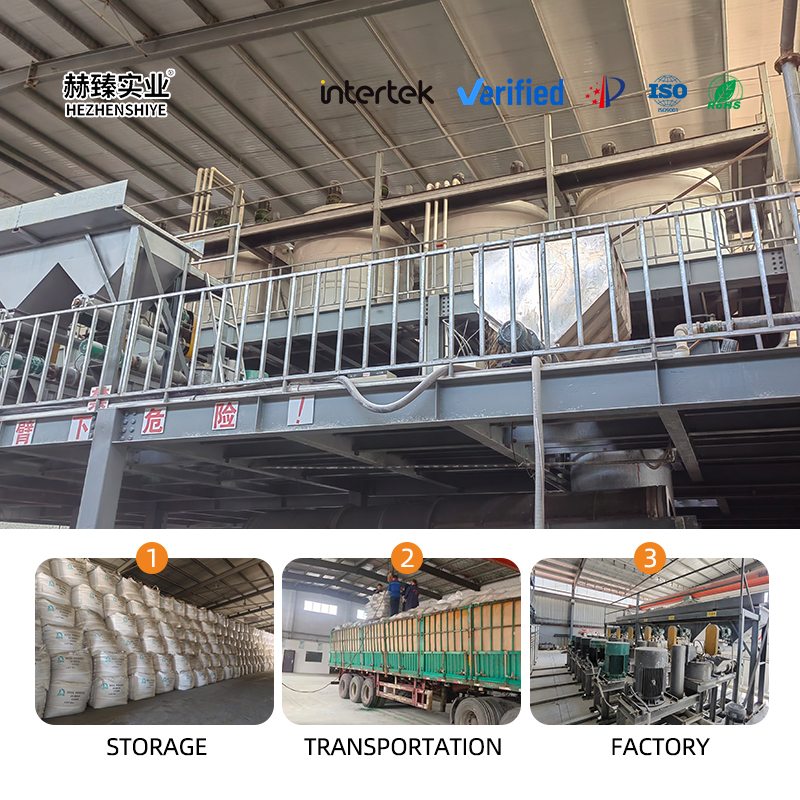
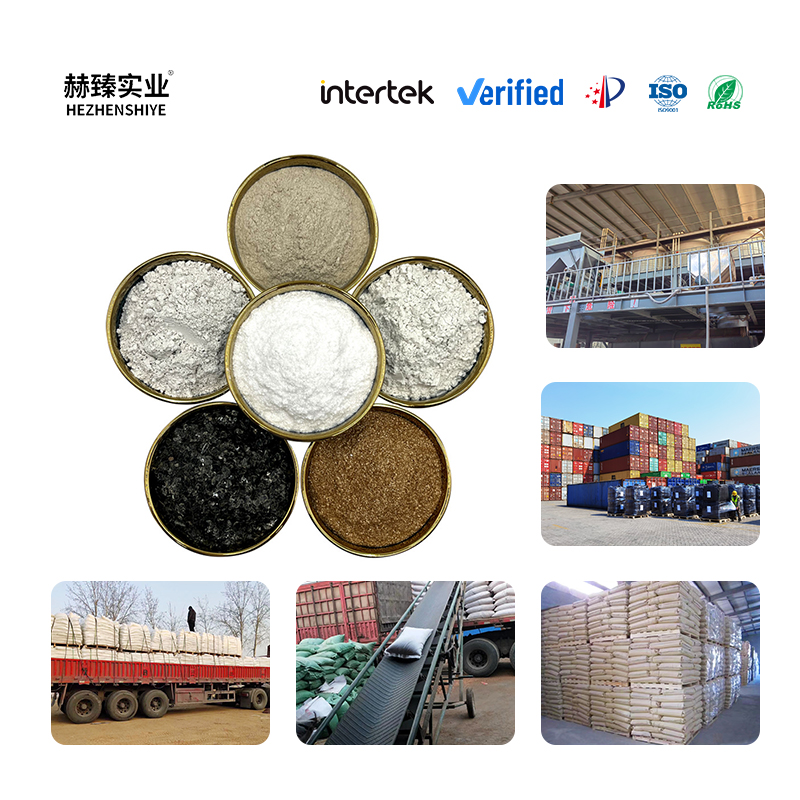
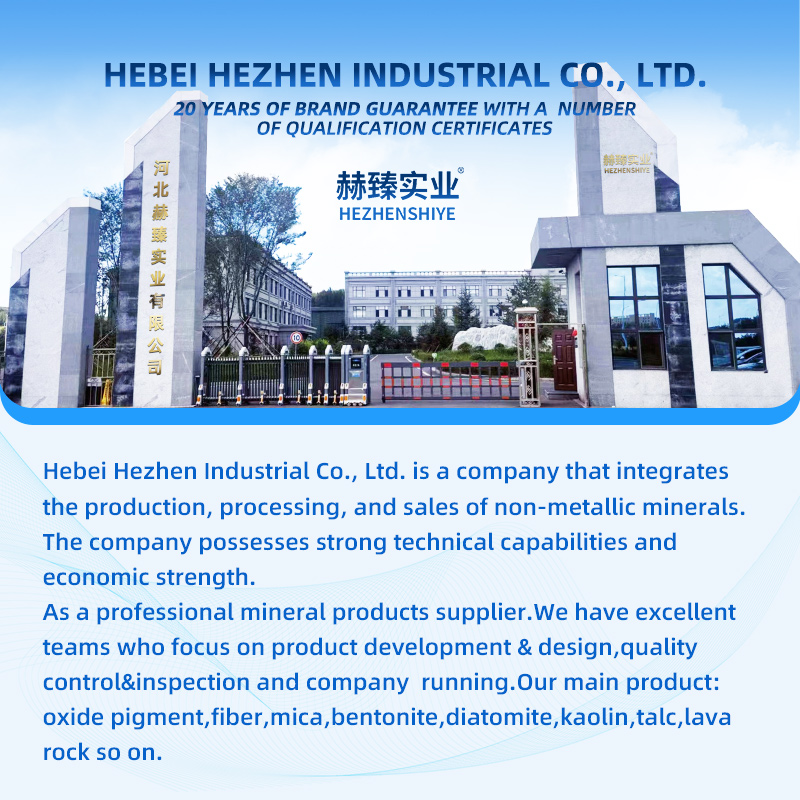
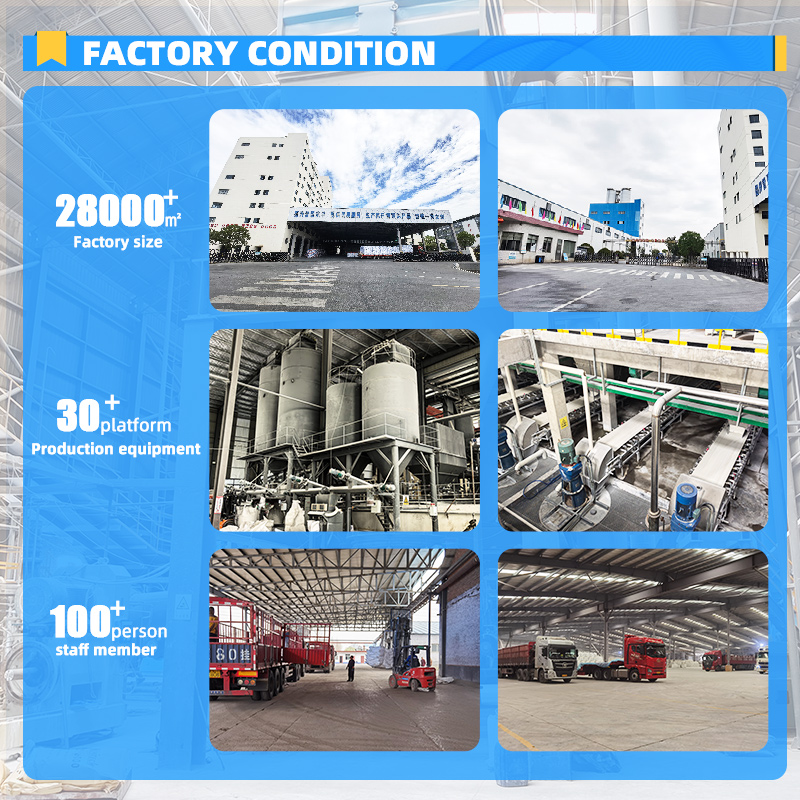
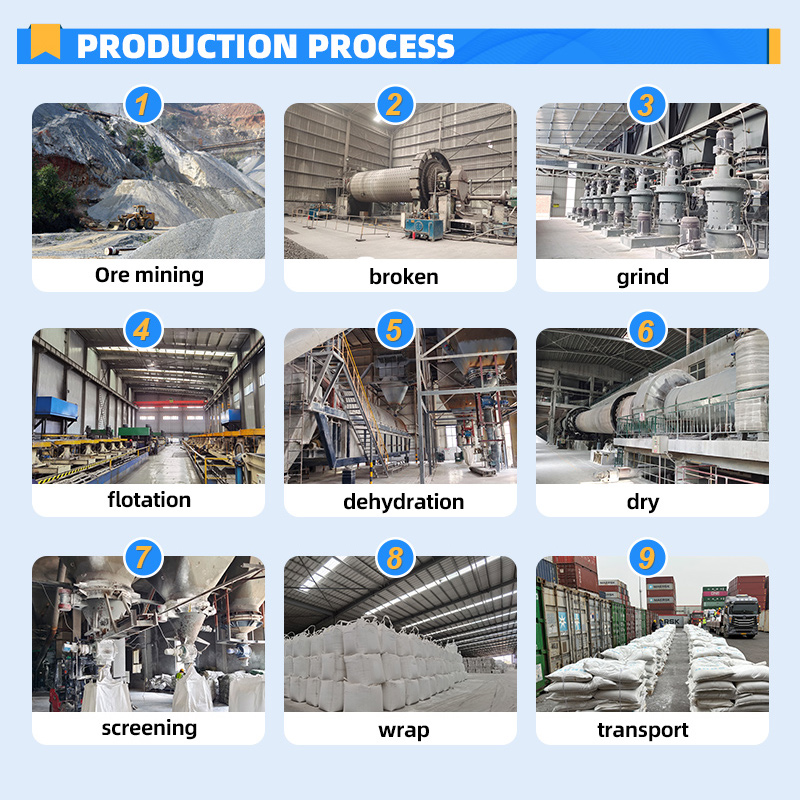
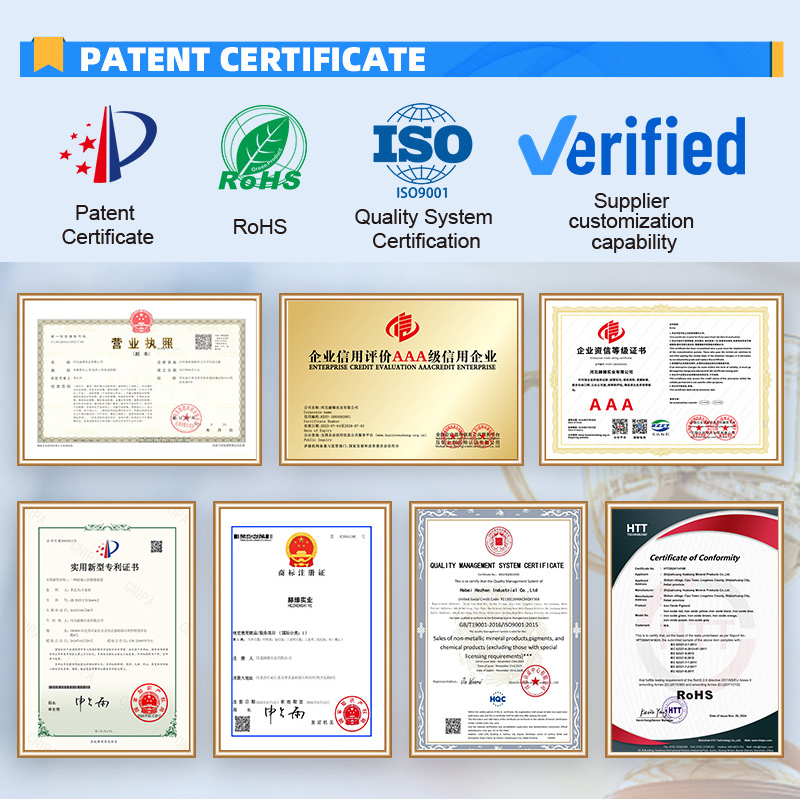
Hebei Hezhen Industrial Co., Ltd. specializes in eco-friendly mica powder production, offering natural, dyed, and composite mica solutions. With a focus on building coatings and rubber products, the company ensures high-quality standards through rigorous testing and compliance with ISO9001 and MSDS certifications. Its production capabilities include multiple particle sizes and grades, supporting diverse industrial applications.Boasting strong technical and economic strength, we leverage local geographical and resource advantages, adopt advanced modern production technology, and establish a high-level multi-layer management system to strictly control product quality, ensure on-time delivery and provide comprehensive related services. Founded in June 2015 (with the factory established in 2008), the company is located in Shikan Village, Shijiazhuang, Hebei Province. Covering an area of over 20,000 square meters, it is approximately 300 km from Tianjin Port, enjoying convenient transportation. We have a team of over 50 employees, most of whom hold college degrees or above, including professional engineers. Offering one-stop services covering mineral processing, testing, sales, finance, warehousing and after-sales support. Adhering to the principle of "Top Quality, Top Service", our products have been exported to North America, Western Europe, the Middle East, Australia, Southeast Asia, South America, Africa and other regions worldwide. As a professional mineral products supplier, we have professional teams specializing in product R&D & design, quality control & inspection and company operation. If you have any new ideas or suggestions about our products, please feel free to contact us. We look forward to cooperating with you and delivering satisfactory products and services.
FAQs
What is mica powder and what are its main uses?
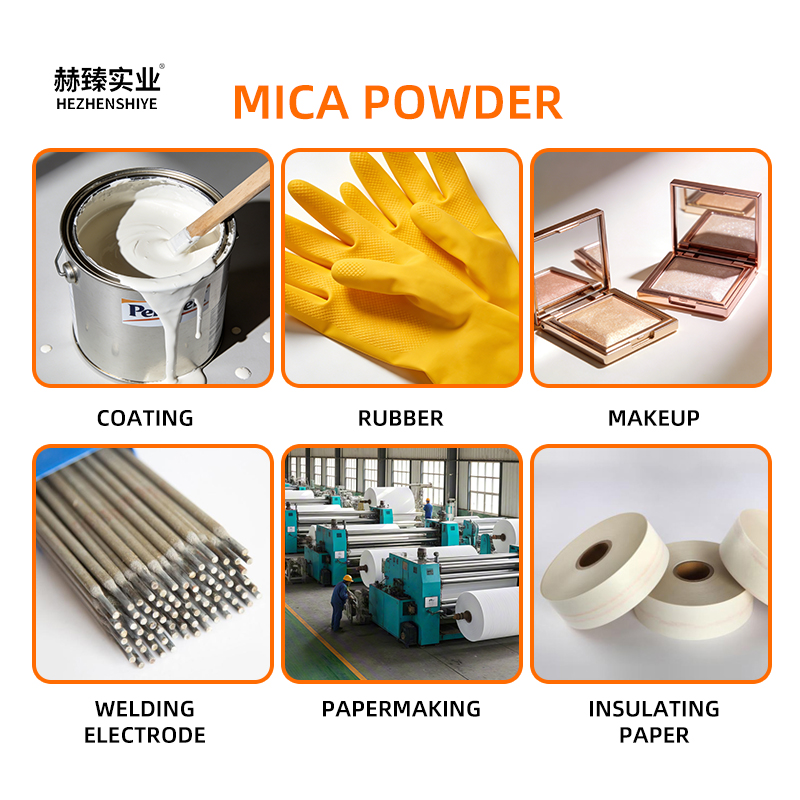
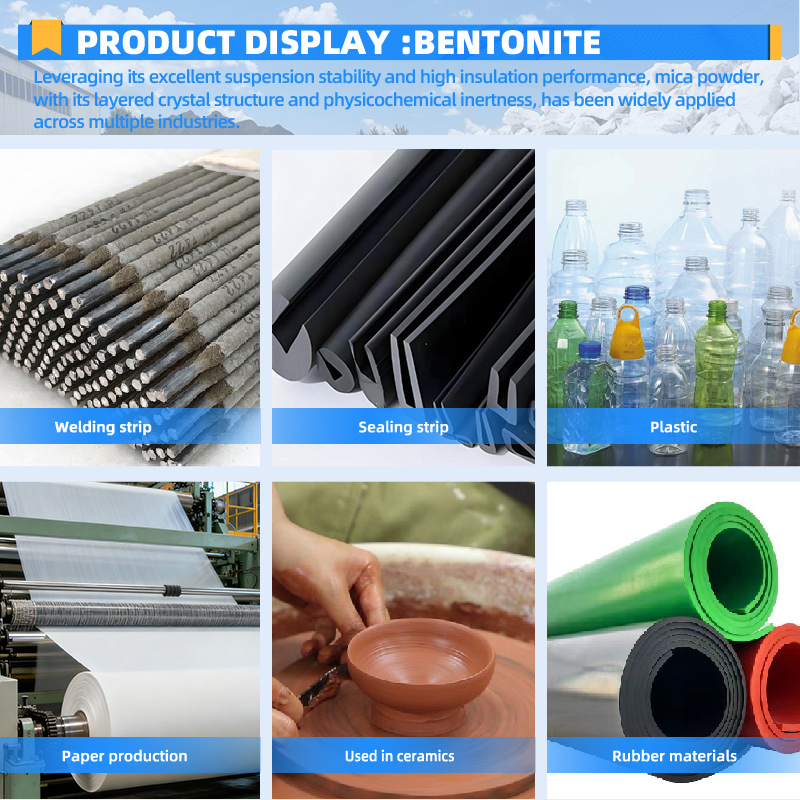
Mica powder is a fine mineral powder derived from natural mica minerals (mainly muscovite and phlogopite), featuring excellent heat resistance, electrical insulation, light reflection, and chemical stability. It is widely used in industrial and decorative fields: Coatings (to enhance gloss, coverage, and weather resistance), plastics (as a functional filler to improve rigidity and heat resistance), cosmetics (as a pearlescent pigment for makeup products like eyeshadow and foundation),etc.
Which regions are the main exporters of mica powder?
The main exporting regions include China (abundant high-quality mica reserves, mature processing technology, and large production capacity), India (major supplier of natural mica), the United States (high-purity processed mica powder), Brazil, and Russia. These areas dominate global supply due to their rich mineral resources, advanced grinding and refining technologies, and diverse product grades tailored to industrial needs.
What quality standards should I pay attention to when importing mica powder?
Key parameters vary by application but focus on purity, performance, and safety: Mica content (≥95% for high-grade products), particle size distribution (D50=5-50μm for common grades, ultra-fine grades <1μm), whiteness (≥85% for white mica powder), heat resistance (≥600℃ for industrial grades), electrical insulation strength (≥15 kV/mm).
How is mica powder packaged for international transportation?
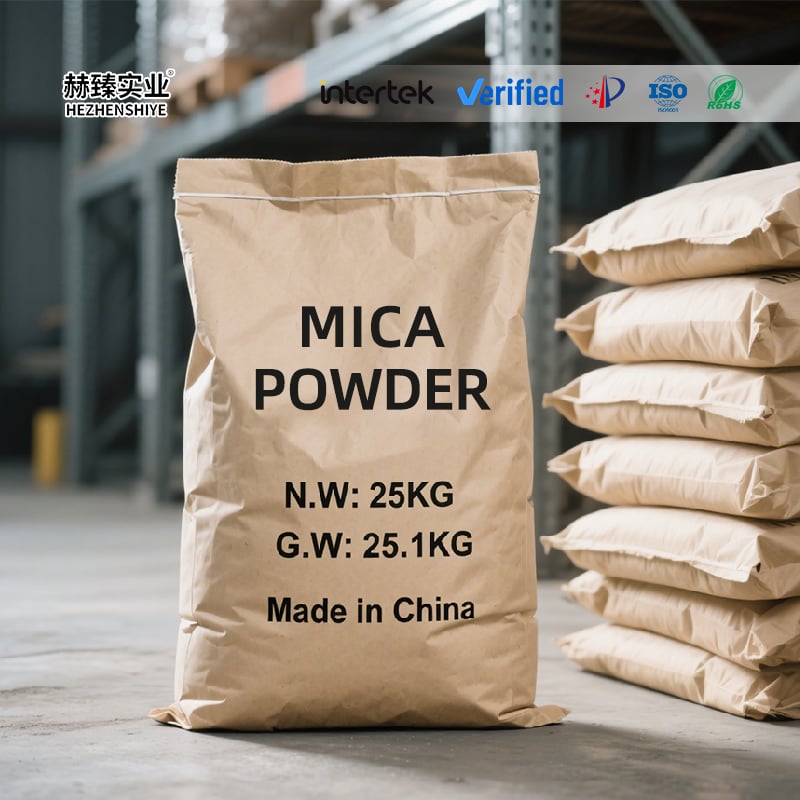
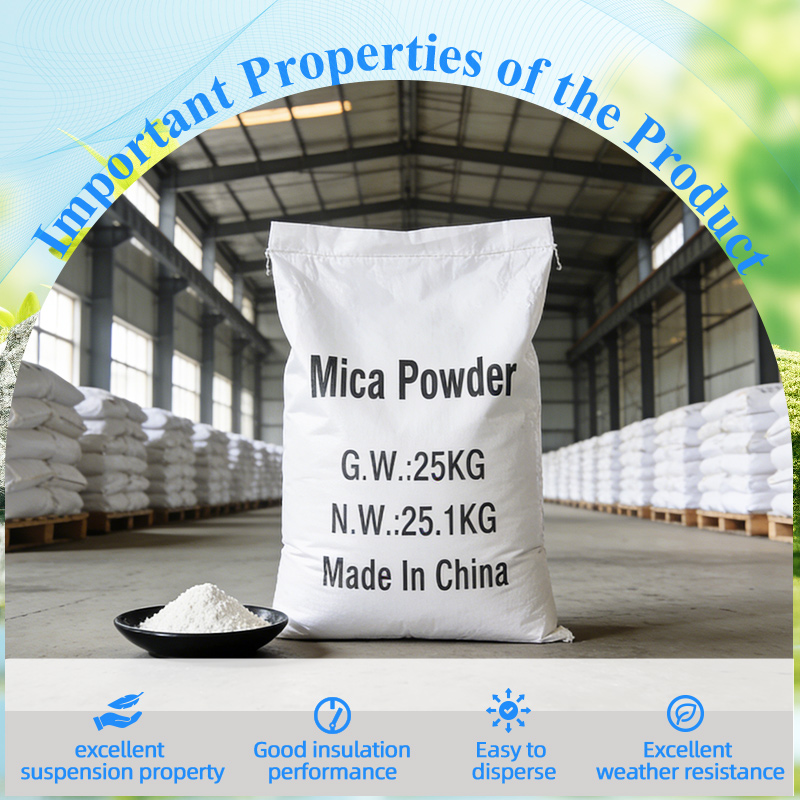
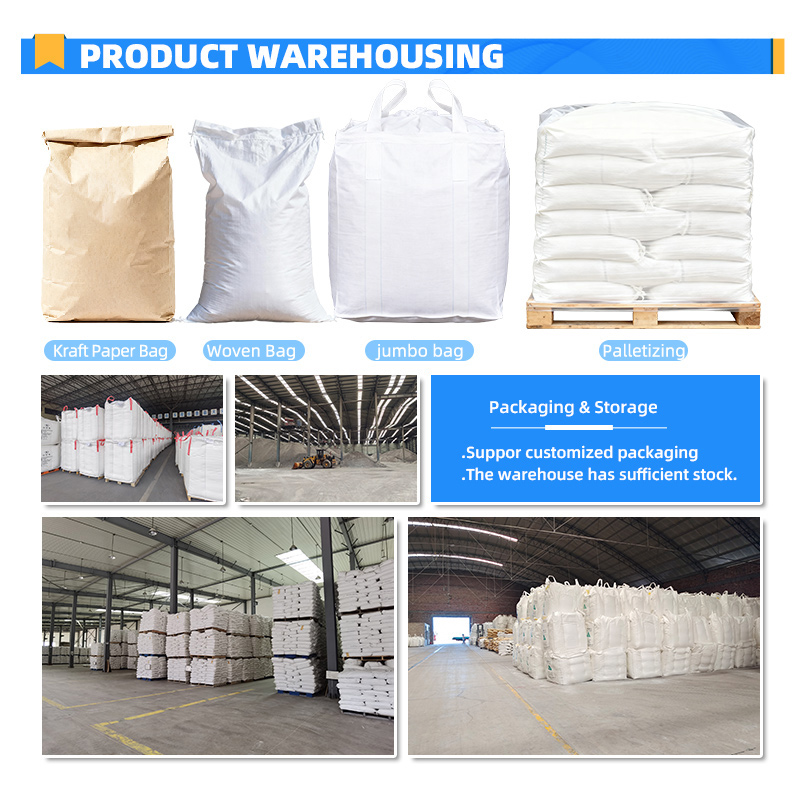
Mica powder is usually packaged in 25kg paper bags or woven bags with inner plastic liners (to prevent moisture absorption and dust leakage). For ultra-fine grades or cosmetic-grade products, vacuum-sealed aluminum foil bags are used to maintain quality. Large industrial orders are packed in 500kg/1000kg bulk bags or transported in sealed hopper trucks. Packages must be marked with product specifications (grade, particle size, application), batch numbers, and safety labels (e.g., "Keep Dry", "No
What are the common trade terms in mica powder trade?
Common terms include FOB (Free On Board), CIF (Cost, Insurance and Freight), and EXW (Ex Works). The selection depends on negotiations between buyers and sellers regarding transportation responsibilities, cost allocation, and risk transfer-moisture absorption and dust leakage are key risks that affect mica powder performance and usability.
What documents are required for importing mica powder?
Required documents include commercial invoice, packing list, bill of lading (B/L) or airway bill, certificate of origin, and quality inspection report.
What payment terms do mica powder suppliers commonly accept?
Suppliers usually accept letters of credit (LC), telegraphic transfer (TT), or secure trade platforms (e.g., Alibaba Trade Assurance). The standard practice is to prepay 30% as a deposit to confirm production, and the balance is paid before shipment or against the copy of the B/L-this ensures product quality and reduces risks in bulk industrial trade.
Can mica powder be customized for specific uses?
Yes, suppliers offer tailored grades based on client needs, such as: Ultra-fine mica powder (for high-gloss cosmetics and precision electronics) Surface-modified mica powder (enhanced compatibility with plastics and coatings) Heat-resistant mica powder (for high-temperature industrial coatings) Pearlescent mica powder (for cosmetic and decorative coatings) Electrical insulation-grade mica powder (for electronic components).
Our Strength