EN
EN

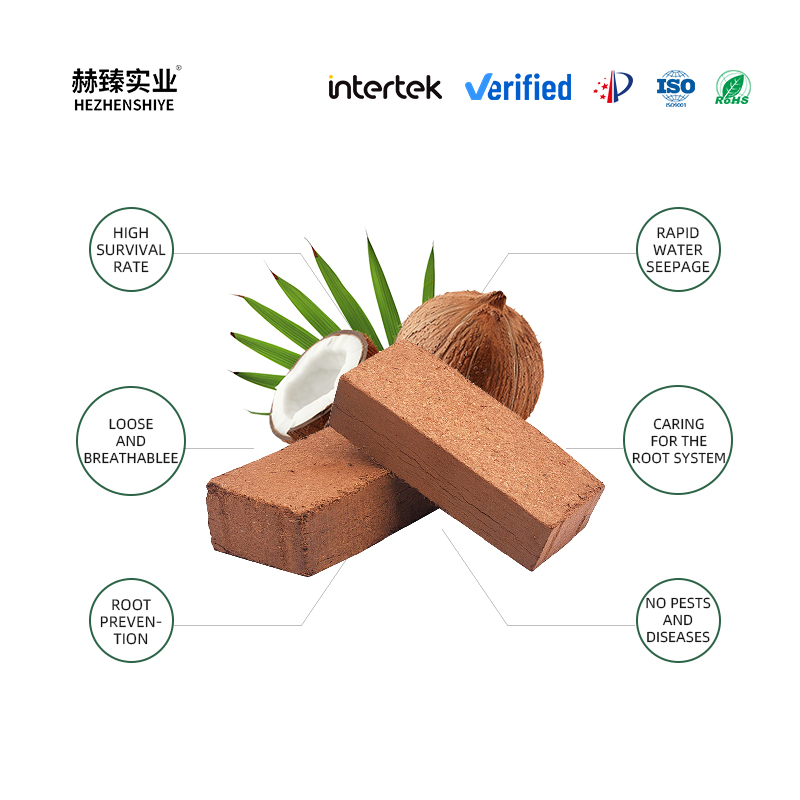
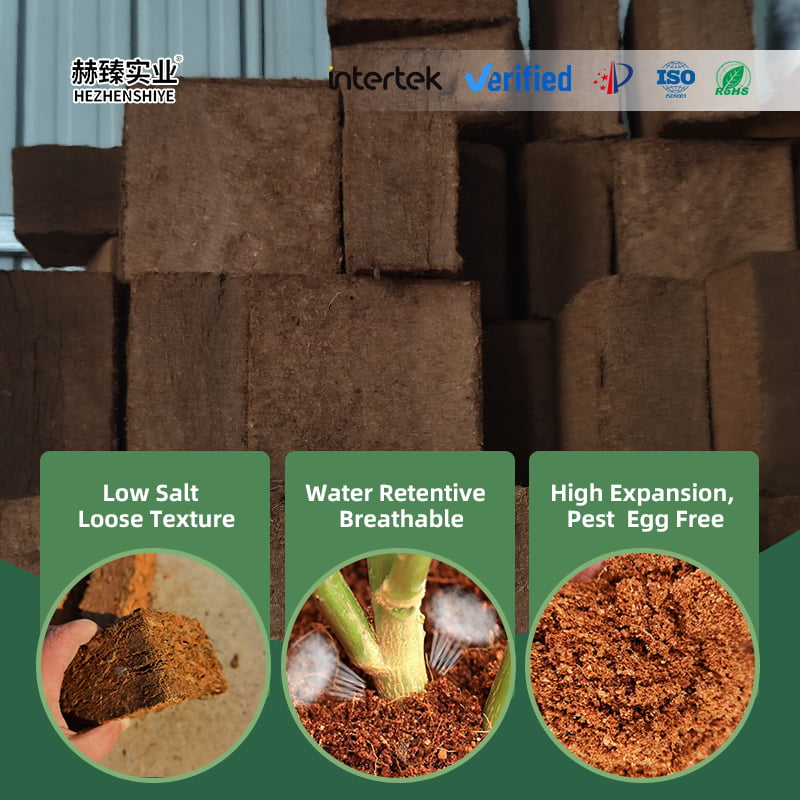
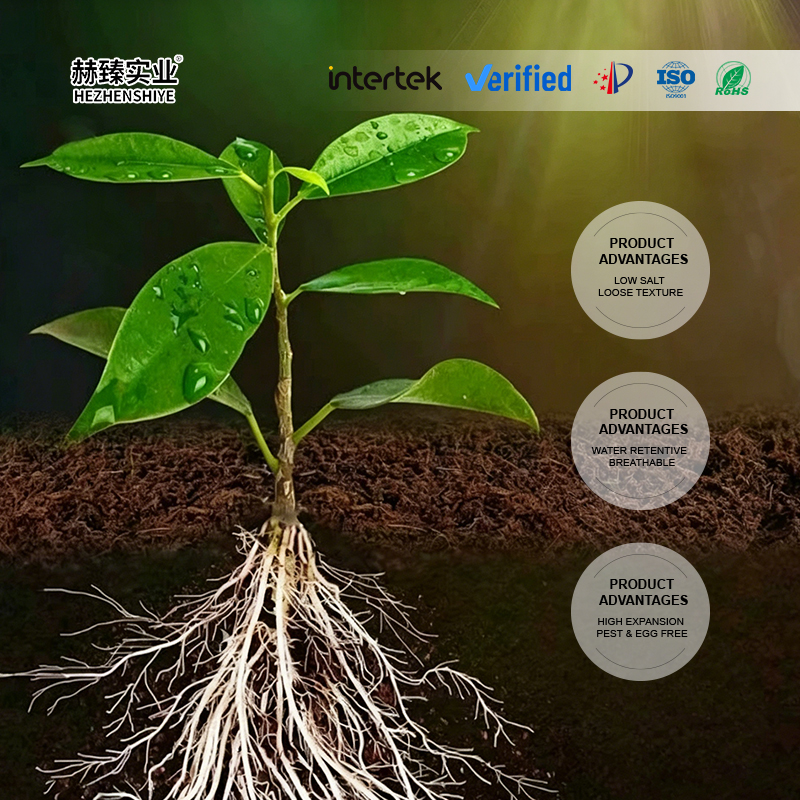
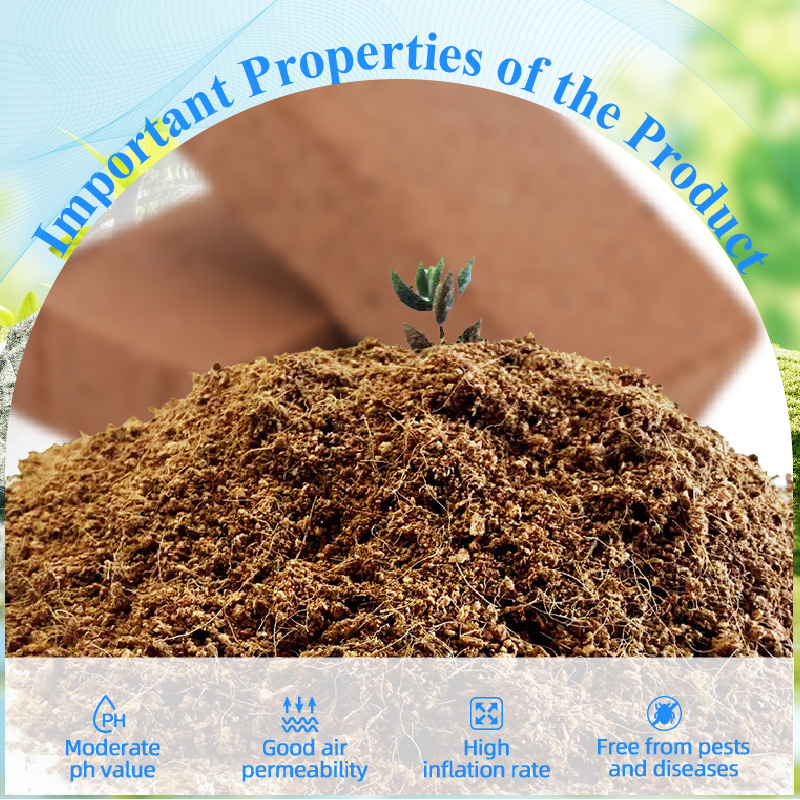
100% Natural Coconut Coir Material: Delivers chemical-free organic nutrients to foster strong, vigorous plant growth.
Rich Brown Color: Improves soil aggregation and loosens compacted media, fostering strong root development and nutrient uptake.
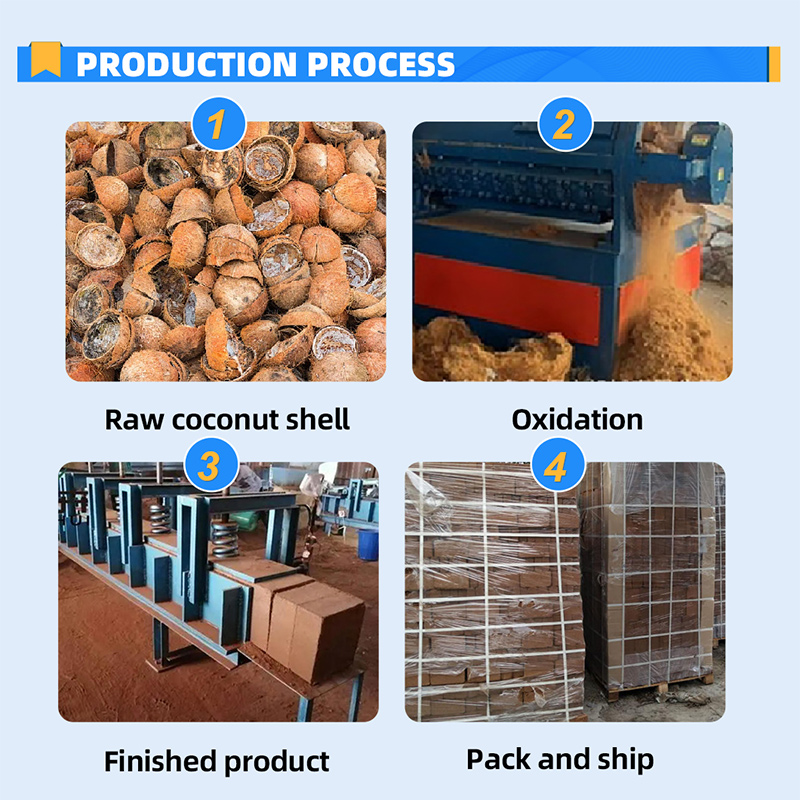
Coconut Shell Fiber: Extracted for superior aeration and water retention.
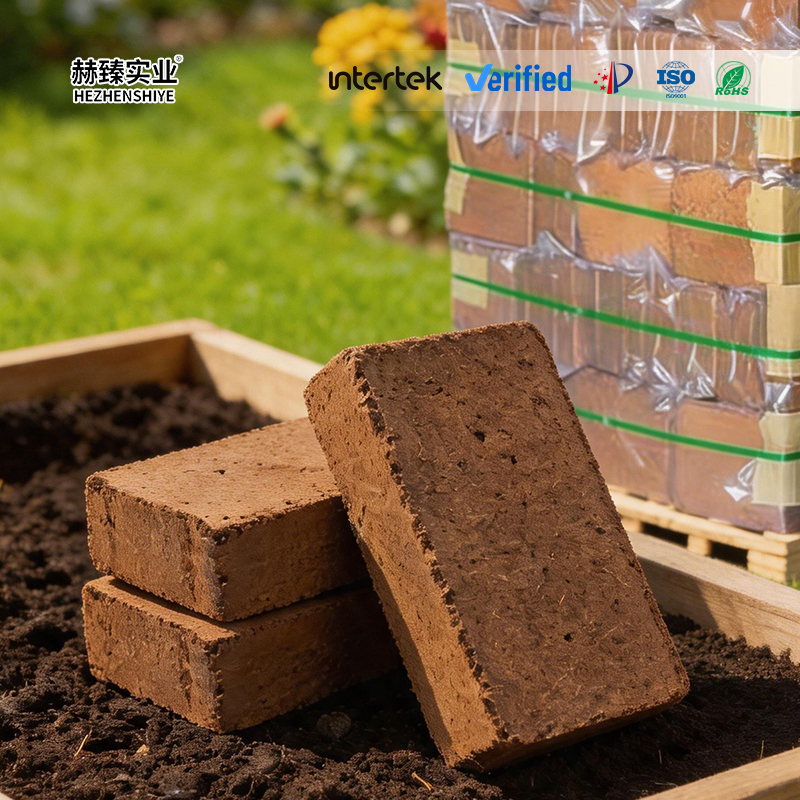
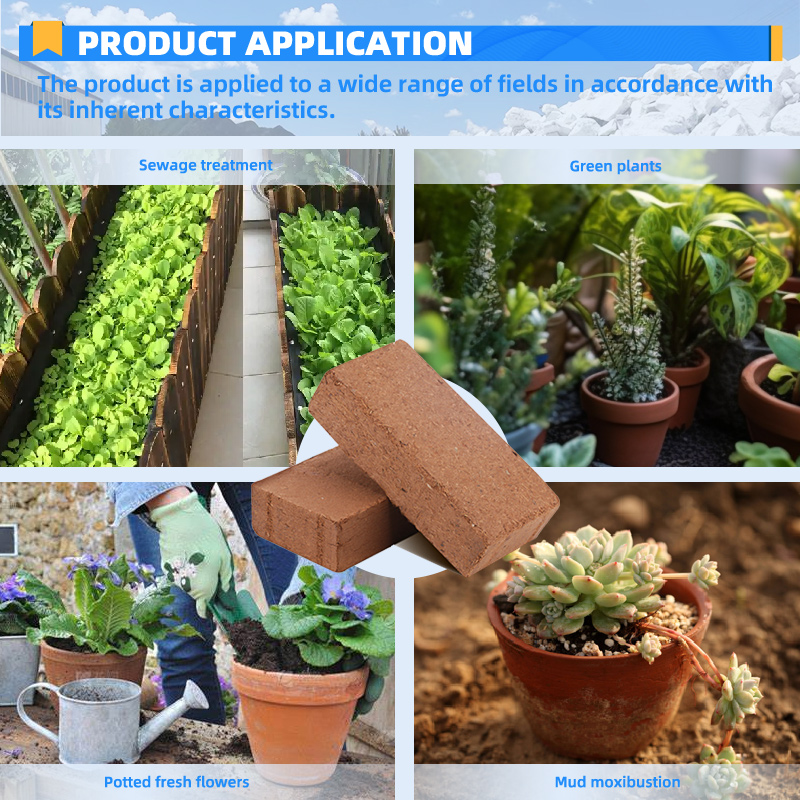
Garden Grow: Ideal for vegetable and flower cultivation.
Premium Grade Standard: Guarantees consistent quality and stable performance, fitting both amateur and professional gardening needs.
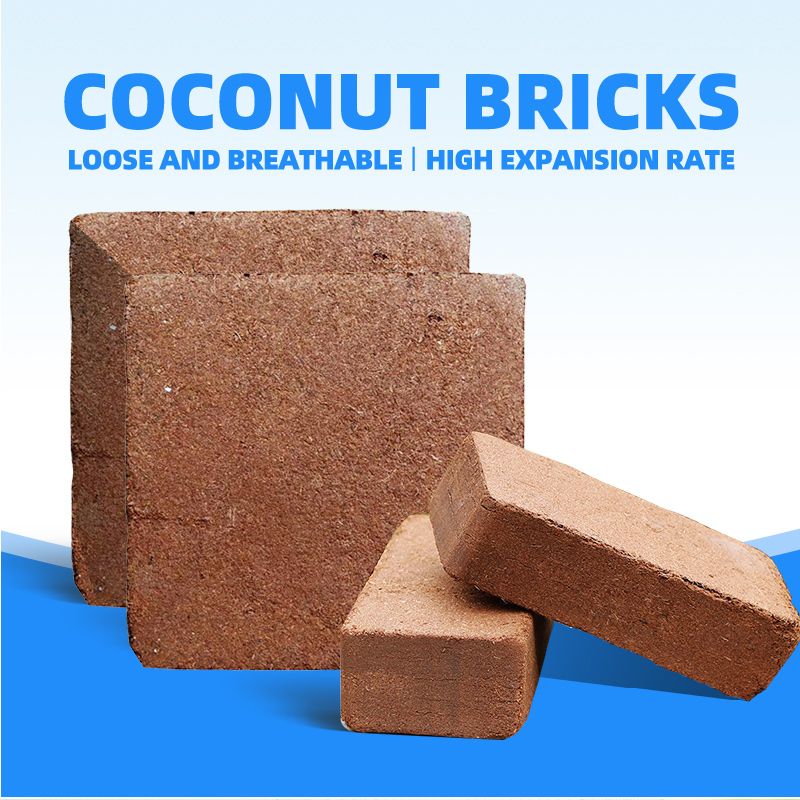
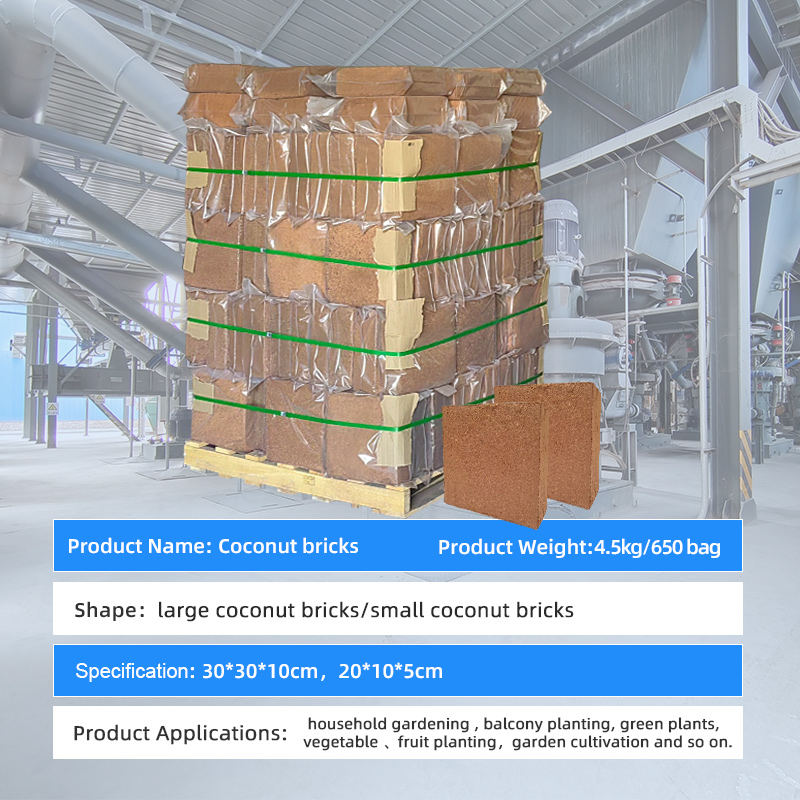
Compressed Block Form: Saves storage space; expands 5-7x in volume when hydrated, offering cost-effective soil amendment.
Eco-Friendly & Renewable: Made from recycled coconut waste (sustainable source), biodegradable and helpful for long term soil enrichment.
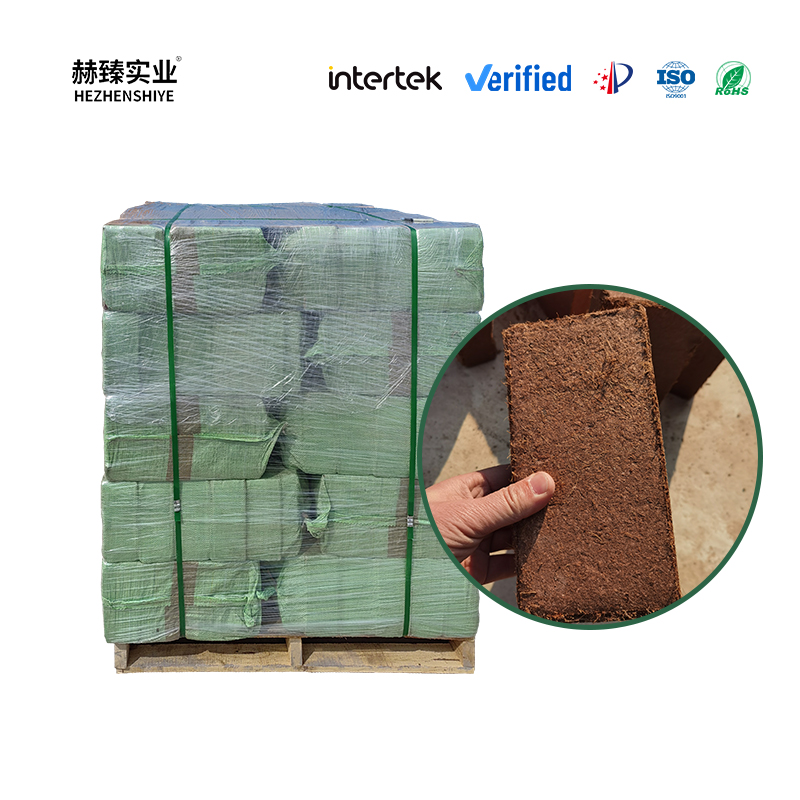
Compact Dry Storage Form: Lightweight and space-saving in its dry state, easy to store and transport for home gardeners or commercial growers.
HZ Hezhen Coco Coir Peat Bricks Industrial Horticultural Planting for Growing Vegetables and Flowers Coconut Coir Brick
Spu:
1601227556621
Parameter
About Product
Highlight


About Us
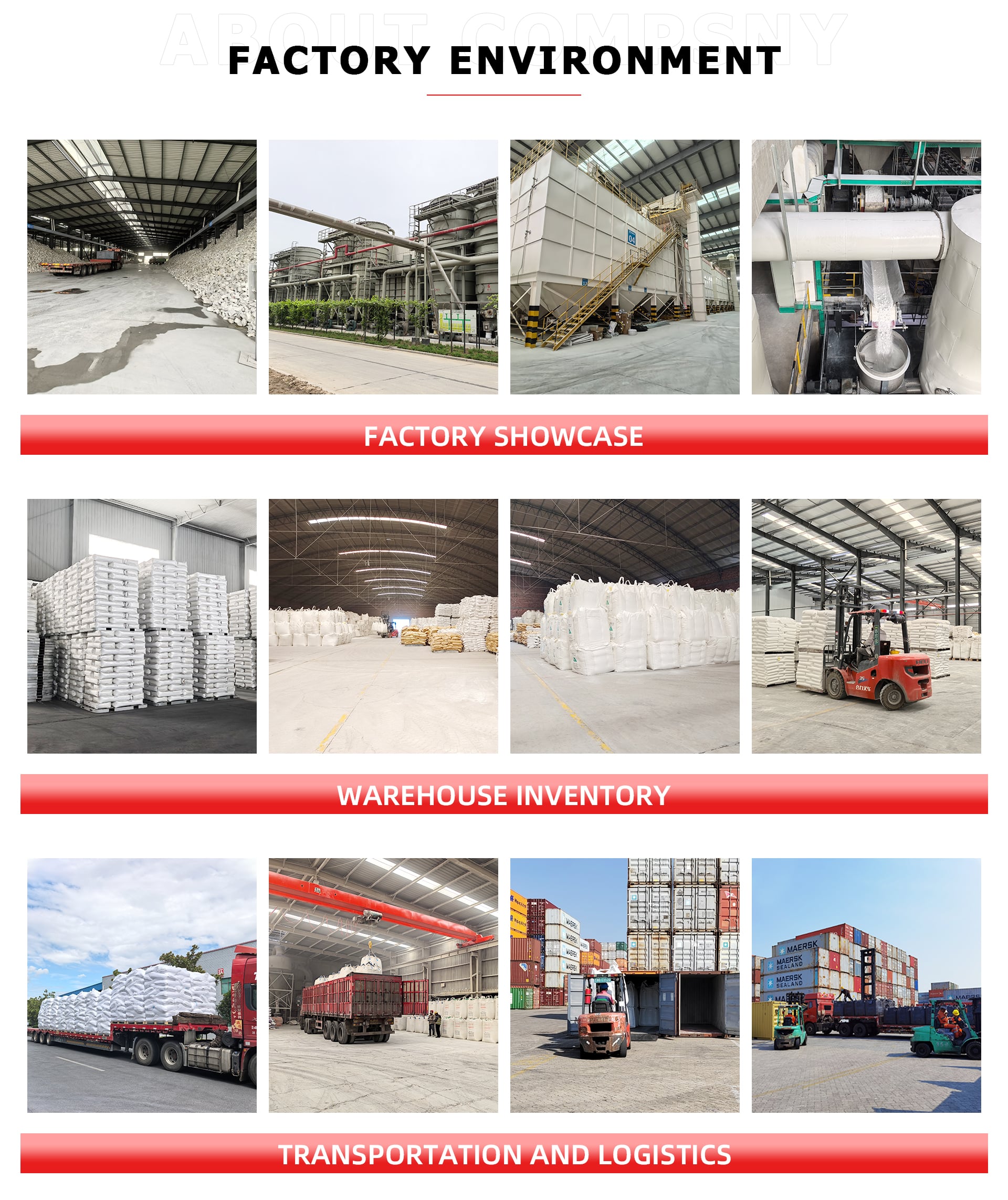
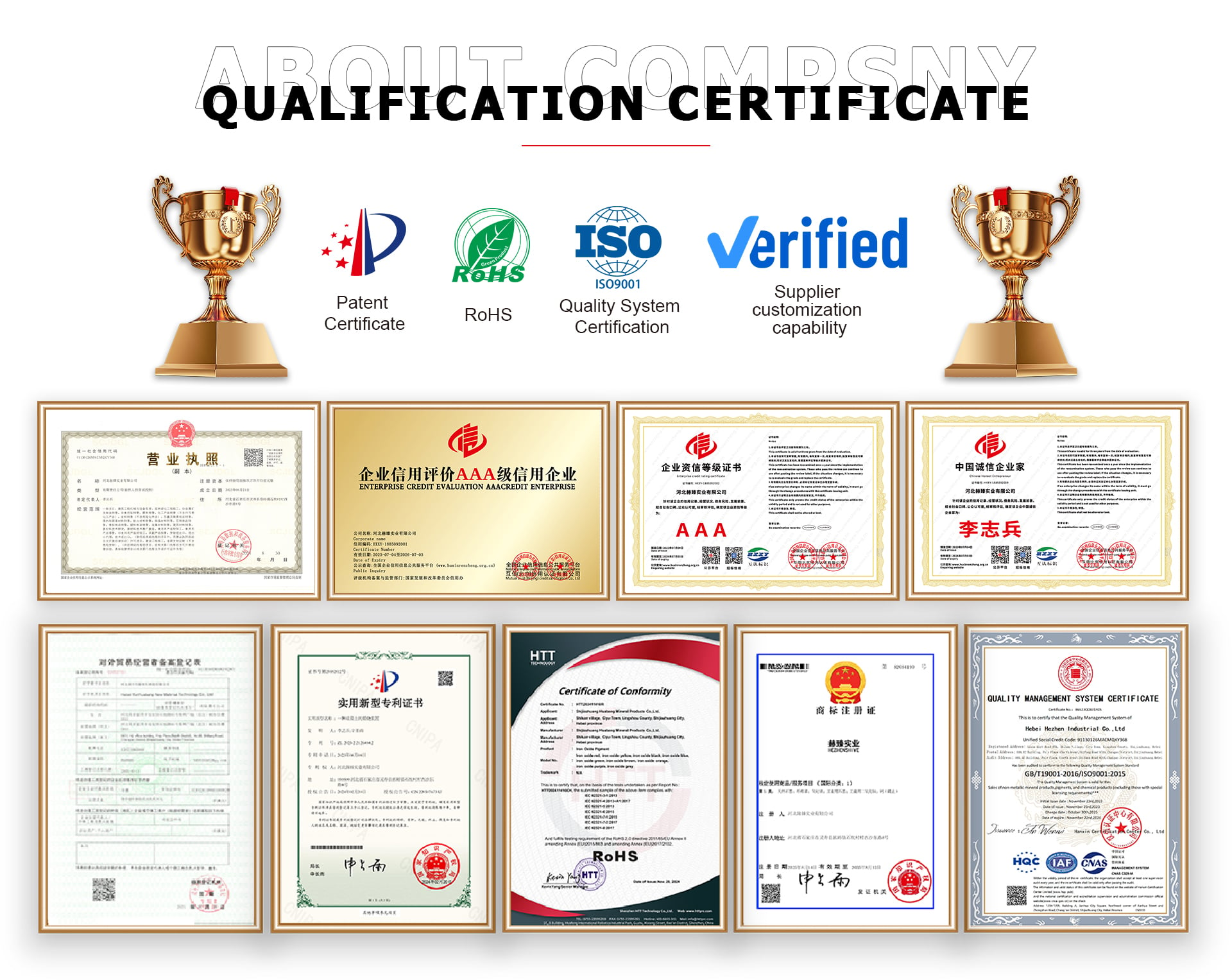
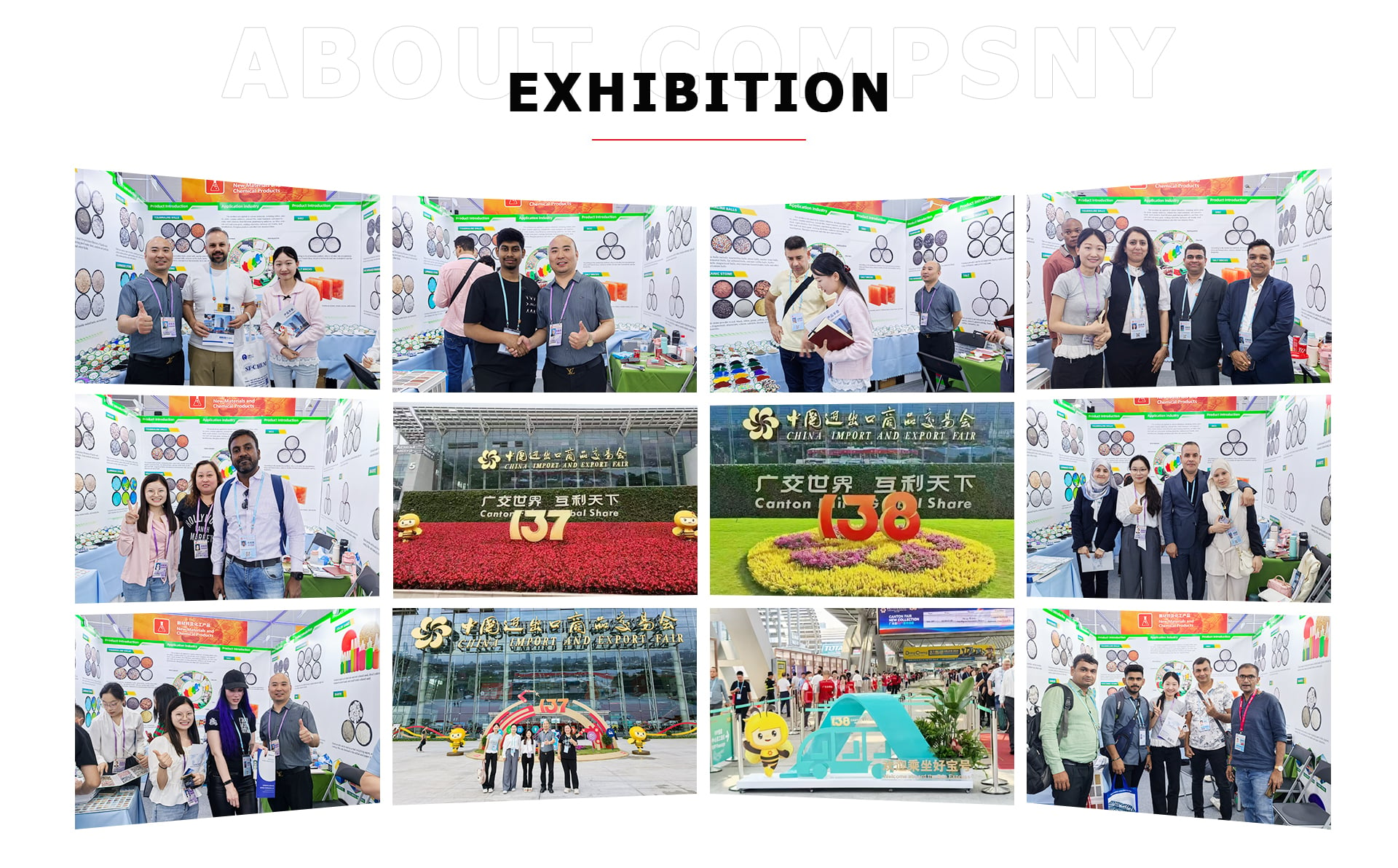
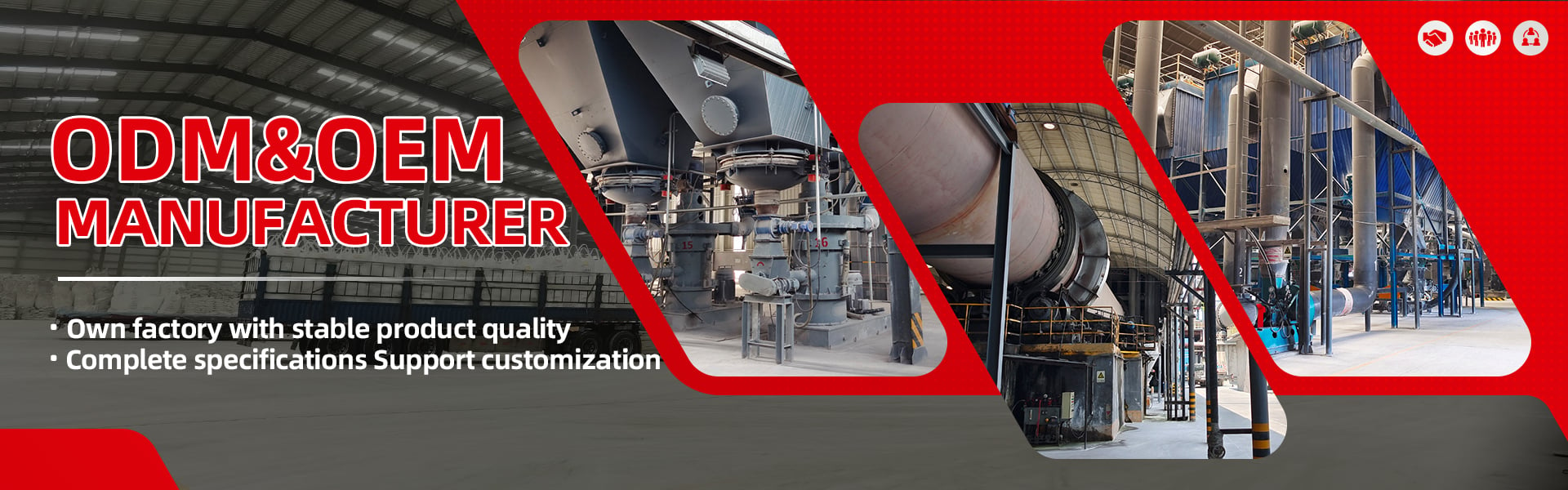
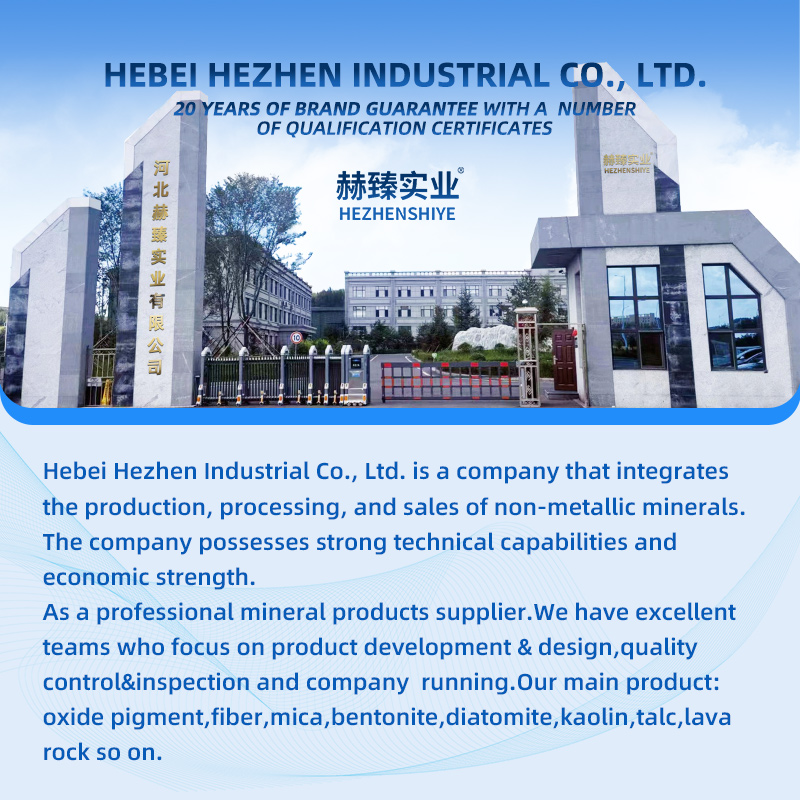
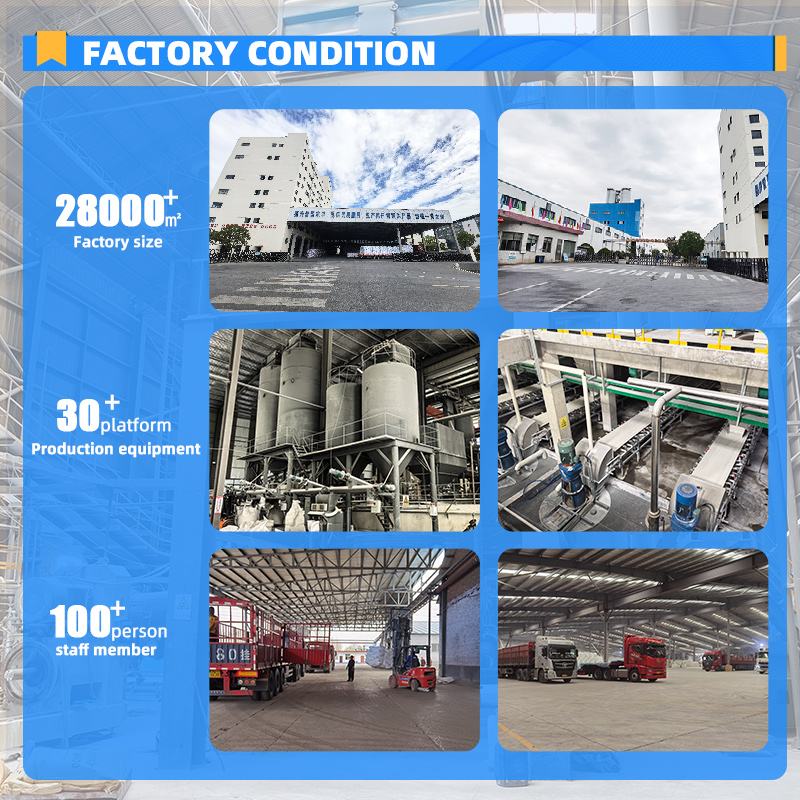
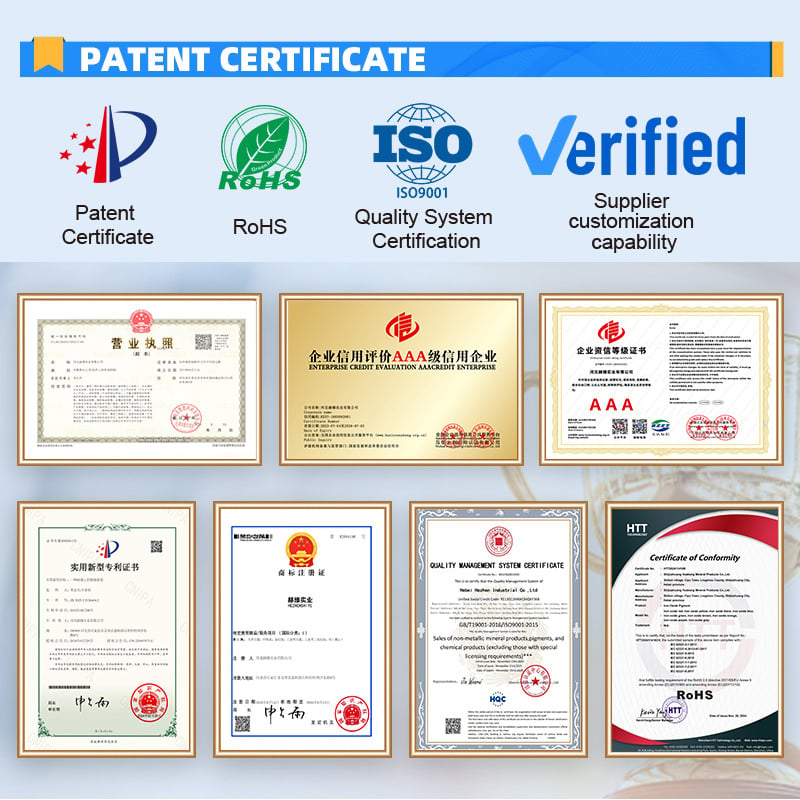
Hebei Hezhen Industrial Co., Ltd. specializes in coconut coir products, offering compressed coco coir blocks for soil improvement and construction. Boasting strong technical and economic strength, we leverage local geographical and resource advantages, adopt advanced modern production technology, and establish a high-level multi-layer management system to strictly control product quality, ensure on-time delivery and provide comprehensive related services. Founded in June 2015 (with the factory established in 2008), the company is located in Shikan Village, Shijiazhuang, Hebei Province. Covering an area of over 20,000 square meters, it is approximately 300 km from Tianjin Port, enjoying convenient transportation. We have a team of over 50 employees, most of whom hold college degrees or above, including professional engineers. Offering one-stop services covering mineral processing, testing, sales, finance, warehousing and after-sales support, we are ISO9001:2000 internationally certified. Our main products include silica series, diatomite powder, kaolin clay, talc powder, iron oxide pigment series, colored sand, rock flake, mica series, vermiculite, tourmaline series, fiber materials and fireproof coating. Adhering to the principle of "Top Quality, Top Service", our products have been exported to North America, Western Europe, the Middle East, Australia, Southeast Asia, South America, Africa and other regions worldwide. As a professional mineral products supplier, we have professional teams specializing in product R&D & design, quality control & inspection and company operation. If you have any new ideas or suggestions about our products, please feel free to contact us. We look forward to cooperating with you and delivering satisfactory products and services.
FAQs
What is a coconut coir brick and what are its main uses?
Coconut coir brick is a compressed block made from processed coconut husk fibers (coconut coir). It features excellent water retention, air permeability, and biodegradability, and is environmentally friendly (a renewable by-product of the coconut industry). Its main uses include: horticulture or pet bedding (low-dust, absorbent bedding for hamsters, chickens, or reptiles), and even as a natural cleaning material
Which regions are the main exporters of coconut coir bricks?
The main exporting regions include Southeast Asian countries (Indonesia, Malaysia, Thailand, and the Philippines-abundant in coconut resources and mature processing industries), India, Sri Lanka, and China (with advanced compression processing technology). These areas dominate global supply due to their large-scale coconut cultivation bases and cost-effective production chains.
What quality standards should I pay attention to when importing coconut coir bricks?
Key parameters include: moisture content (<15% for compressed bricks to prevent mold), compression ratio (common 5:1 or 6:1, indicating expansion volume after soaking), salt content (EC value <2 mS/cm for horticultural grades-high salt harms plant roots), pH value (5.5-6.5, suitable for most plants), impurity content (<2%, no stone or metal debris).
How is coconut coir brick packaged for international transportation?
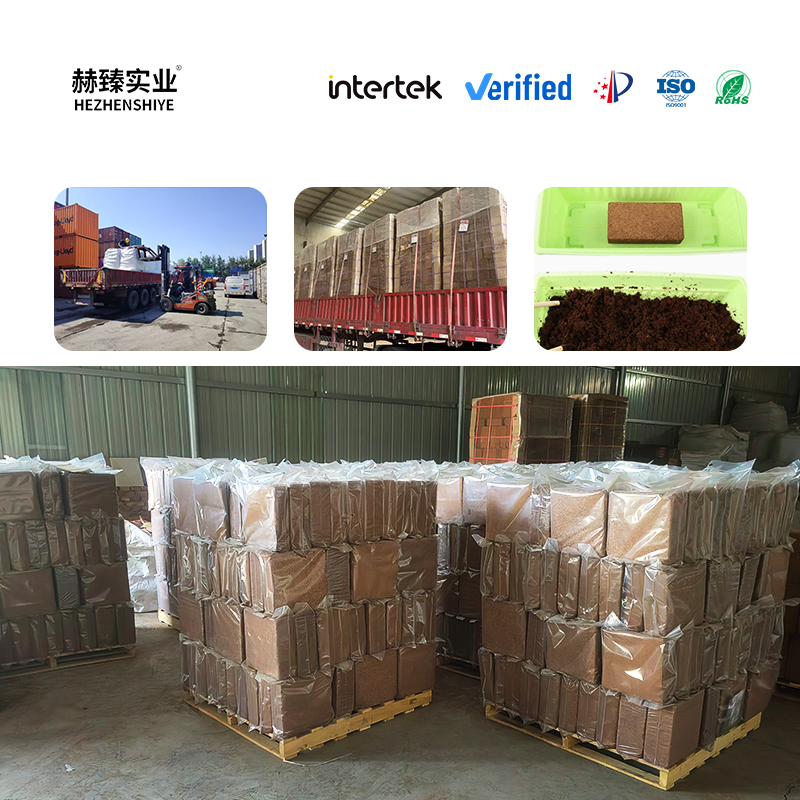
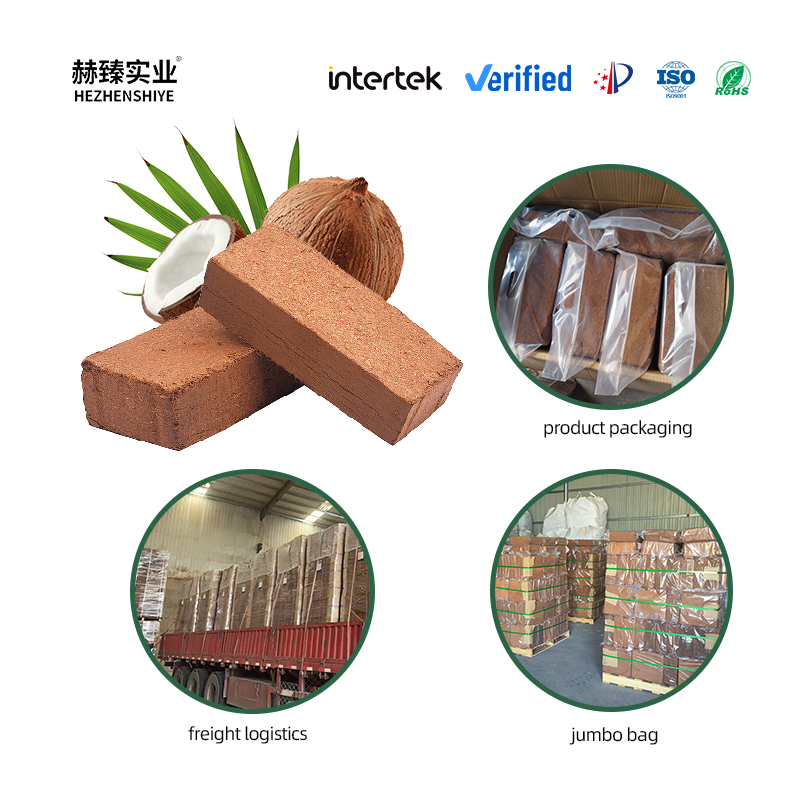
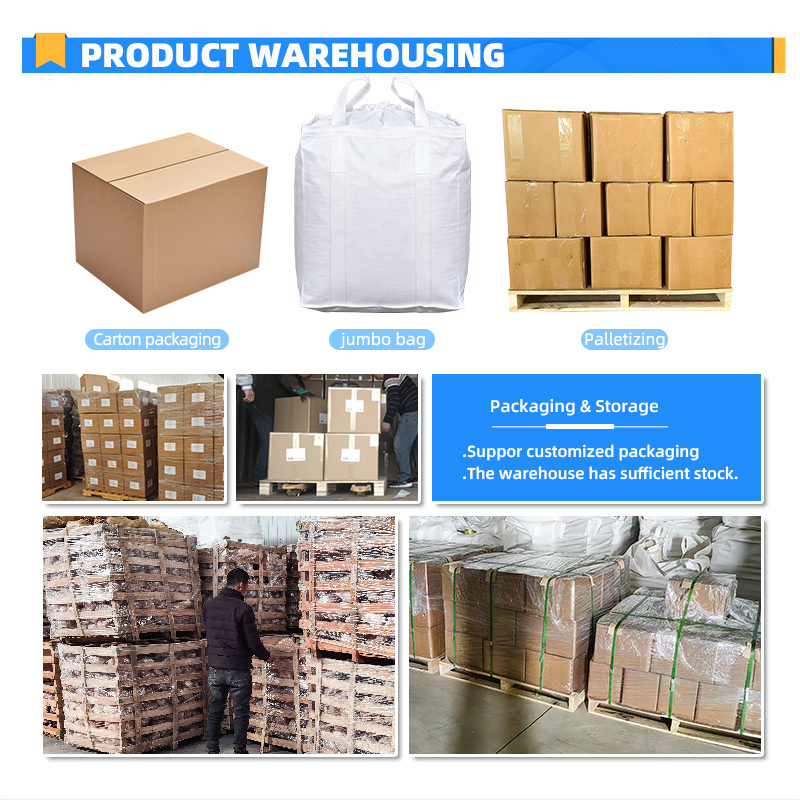
It is usually individually wrapped in moisture-proof plastic film, then packed in 20-25kg cartons or woven bags (to avoid damage during transit); for large orders, bricks are stacked on pallets and wrapped with stretch film for stability. It is critical to mark product specifications (e.g., compression ratio, weight), batch numbers, usage labels (e.g., "Horticultural Use Only"), and safety labels (e.g., "Keep Dry") on the packages.
What are the common trade terms in coconut coir brick trade?
Common terms include FOB (Free On Board), CIF (Cost, Insurance and Freight), and EXW (Ex Works). The selection depends on negotiations between buyers and sellers regarding transportation responsibilities, cost allocation, and risk transfer (e.g., moisture damage risks during long-distance shipping).
What documents are required for importing coconut coir bricks?
Required documents include commercial invoice, packing list, bill of lading (B/L) or airway bill, certificate of origin, and quality inspection report.
What payment terms do coconut coir brick suppliers commonly accept?
Suppliers usually accept letters of credit (LC), telegraphic transfer (TT), or secure payment platforms (e.g., Alibaba Trade Assurance). The standard practice is to prepay 30% as a deposit, and the balance is paid before shipment or against the copy of the B/L (to ensure product quality and on-time delivery).
Can coconut coir bricks be customized for specific uses?
Yes, suppliers offer tailored grades based on client needs, such as: Low-salt/unsalted coconut coir bricks (for sensitive plants like orchids or succulents). High-compression bricks (for space-saving storage and transportation). Pet-grade low-dust bricks (for small animal bedding with enhanced absorbency).
Our Strength