EN
EN



Functional Grade Tested Factory Price Coated Lightweight Filling Material Industrial Media Glass Microballoon Glass Microsphere
Parameter
Precise Spherical Uniform Structure: This premium glass microsphere material is fabricated through high-temperature melting and precise atomization molding technology, forming highly regular hollow and solid spherical microscopic units. Every microsphere maintains uniform roundness and complete structural symmetry without irregular fragments, deformed particles or angular defects. The standardized spherical morphology delivers stable physical performance and consistent structural foundation for industrial filling, coating modification and precision material compounding applications
Ultra-Low Bulk Density Advantage: Featuring unique hollow internal structure and lightweight glass matrix characteristics, glass microspheres present extremely low bulk density compared with traditional mineral fillers. When blended into coatings, plastics, rubber and composite materials, it effectively reduces the overall finished product weight, realizes lightweight structural optimization, and lowers base load pressure for engineering components and decorative materials
Excellent Dispersion Performance: Undergoing professional surface modification and anti-agglomeration treatment, glass microspheres achieve outstanding dispersion stability in water-based, solvent-based and high-temperature melt systems. The spherical particles can be evenly distributed in various formula systems without clustering, floating or layered precipitation, ensuring uniform texture and consistent functional performance of batch-produced composite materials
Enhanced Surface Smoothness: The ultra-fine and uniform spherical particles fill microscopic gaps and surface voids of polymer and coating substrates effectively. They optimize the flatness and delicate texture of finished product surfaces, reduce surface roughness, and minimize post-processing polishing and grinding procedures for industrial and decorative materials


Glass microspheres are tiny, hollow or solid spherical particles made from soda-lime glass or borosilicate glass. They feature low density, high sphericity, good chemical resistance, and smooth surface. They are widely used as lightweight fillers, extenders, and functional additives in coatings, paints, plastics, rubber, composites, and industrial materials fields
The main exporting regions include United States, Germany, Japan, and South Korea, etc
When importing glass microspheres, key quality points focus on particle size distribution, sphericity, bulk density, hollow rate (for hollow types), chemical purity, and surface finish. The product should be free of impurities, broken beads, and agglomeration, with consistent particle performance
Glass microspheres are usually packaged in moisture-proof woven bags or kraft paper bags with inner plastic liners, which are tightly sealed to prevent moisture absorption, contamination, and dust leakage during transportation. For large bulk industrial orders, ton bags are commonly used, and packaged goods are often fixed on pallets with stretch film to ensure stability in loading, unloading, and long-distance transit
Common trade terms in glass microspheres transactions include FOB (Free On Board), CIF (Cost, Insurance and Freight) and EXW (Ex Works). The selection of specific terms depends on the negotiation between buyers and sellers on transportation responsibility, cost allocation, and risk transfer
Generally required documents cover commercial invoice, packing list, bill of lading or airway bill, certificate of origin, quality inspection report
Most glass microspheres suppliers accept mainstream international payment methods, mainly telegraphic transfer (T/T) and letter of credit (LC). The conventional industry practice is to pay a certain proportion of deposit when placing an order to confirm production arrangement, and settle the balance before shipment or against the copy of the bill of lading, which effectively reduces transaction risks for both parties
Yes, suppliers can provide customized products according to customers' actual industrial application needs. For example, they can adjust the particle size range, surface treatment process (such as silane coating), and wall thickness (for hollow beads) to improve the product's compatibility and performance in different application scenarios such as coatings, plastics, and lightweight composites, and customize packaging specifications to adapt to different storage and transportation demands
Hezhen presents a Functional Grade Tested Factory Price Coated Lightweight Filling Material Industrial Media Glass Microballoon Glass Microsphere engineered to deliver exceptional performance across a wide range of industrial applications. This advanced micro-balloon filler product line leverages precision-coated microspheres to provide industry-leading benefits in weight reduction, thermal and acoustic insulation, dimensional stability, and cost-effective formulation. Designed for manufacturers who demand consistent quality and reliable supply, Hezhen’s coated microsphere trends reflect careful material science development and practical deployment strategies that drive product differentiation and measurable value.
Product Features and Composition
Hezhen’s glass microsphere offering is formulated from high-strength, hollow glass microspheres that are further enhanced through a proprietary coating process. The coating confers improved chemical compatibility, enhanced dispersion in diverse matrices, and increased resistance to moisture and mechanical abrasion. As a micro-balloon filler, these microspheres exhibit uniformly low bulk density, a narrow particle size distribution, and high sphericity, enabling accurate control of rheology and cured properties in composite systems. The industrial lightweight media characteristics of these micro-balloon fillers make them ideal for reducing overall material density while maintaining structural integrity in final products.
Key features include:
- Consistent size grading and low friability to minimize breakage during processing.
- Surface-treated coated microsphere trends that emphasize adhesion to resins, epoxies, polyurethanes, and thermoplastics.
- Low thermal conductivity and sound dampening performance inherent to hollow glass geometry.
- High compressive strength relative to density, supporting load-bearing applications.
- Excellent compatibility with conventional mixing and dosing equipment for simple scale-up and integration.
Applications and Use Cases
Hezhen’s micro-balloon filler glass microsphere products are suited for a broad spectrum of industrial applications where weight savings, dimensional stability, and cost-performance balance are critical. Typical end uses include:
- Composite core materials for marine, automotive, and aerospace interiors, where industrial lightweight media help reduce vehicle and craft weight without compromising stiffness.
- Lightweight syntactic foams and buoyancy modules, leveraging the hollow glass microsphere structure to achieve predictable buoyancy and mechanical performance.
- Coatings and sealants that require low density and controlled application viscosity; the coated microsphere trends in surface treatment enhance coating film integrity and reduce sagging.
- Adhesives, potting compounds, and Encapsulants where glass microsphere inclusion decreases thermal expansion and improves crack resistance.
- Injection molded and cast components benefiting from reduced material consumption and improved thermal insulation properties.
- Acoustic insulation panels and thermal barrier systems where the combination of hollow structure and coated micro-balloon filler improves overall energy efficiency.
Innovations and Technical Advantages
Hezhen differentiates its product through a combination of rigorous functional grade testing and cost-effective manufacturing that yields factory-priced coated micro-balloon fillers without compromising performance. The company’s innovation framework centers on tailored surface treatments that align with evolving coated microsphere trends in various industries. These innovations translate into tangible technical advantages:
- Enhanced matrix bonding: Coatings are optimized to promote interfacial adhesion across multiple polymer chemistries, improving load transfer and reducing delamination risk.
- Moisture resistance: The hydrophobic nature of the treatment minimizes moisture uptake, preserving electrical insulation properties and dimensional stability in humid environments.
- Controlled density tuning: By selecting specific size distributions and wall thicknesses, Hezhen provides glass microspheres that enable formulators to dial in target densities for light-weighting objectives.
- Processing robustness: Low particle abrasion and controlled breakage reduce dust formation and equipment wear, while maintaining predictable rheological behavior during mixing, pumping, and molding.
- Thermal and acoustic performance: The hollow core contributes to low thermal conductivity and sound attenuation, while coated surfaces maintain integrity under thermal cycling.
Quality Assurance and Functional Grade Testing
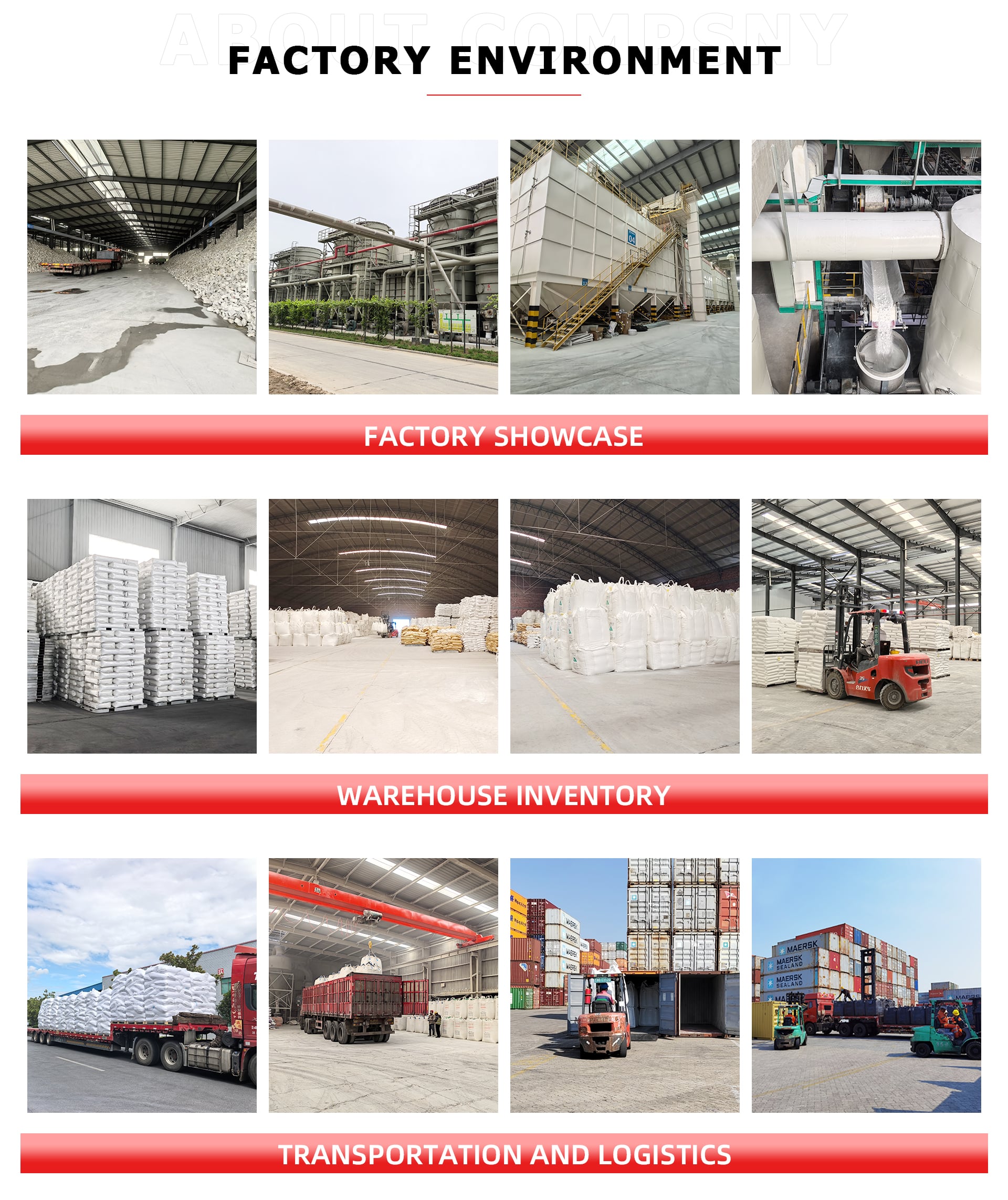
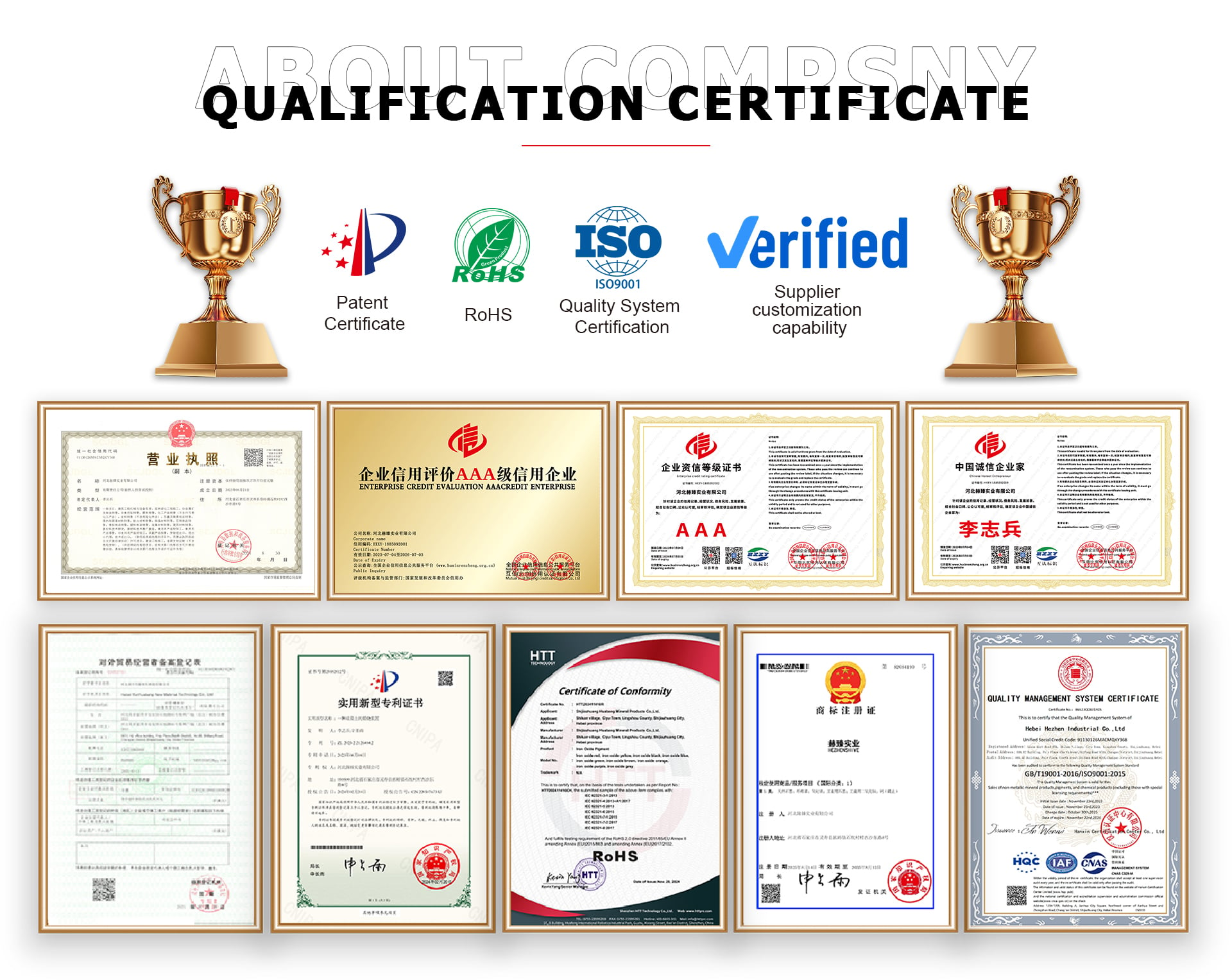
To ensure consistent performance, Hezhen subjects every batch of micro-balloon filler to strict functional grade testing. Key quality control measures include particle size analysis, bulk density measurement, crush strength testing, coating adhesion assessment, and contamination screening. These evaluations ensure that each lot of glass microsphere meets specified mechanical and physical thresholds, enabling manufacturers to rely on repeatable performance in end-use applications. Factory price positioning does not diminish the commitment to quality; instead, Hezhen applies lean manufacturing and process control to deliver competitive pricing while maintaining robust testing protocols.
Formulation Considerations and Best Practices
Integrating coated microspheres into formulations requires careful attention to mixing protocols, shear sensitivity, and filler loading levels. Hezhen recommends low-shear incorporation methods for high-content micro-balloon filler systems to avoid excessive breakage of the hollow spheres. Pre-wetting with compatible resins or the use of dispersing agents can facilitate uniform distribution, particularly with higher loadings aimed at aggressive light-weighting targets. When targeting thermal or acoustic improvements, formulators should consider hybrid approaches, combining micro-balloon filler with conventional fillers or fibers to achieve synergistic property profiles. The coated microsphere trends toward surface functionality enable easier bonding, but formulators should still validate cure kinetics and mechanical behavior under real-world service conditions.
Sustainability and Cost Efficiency
The industrial lightweight media role of Hezhen’s glass microspheres contributes to sustainability by reducing material consumption and lowering energy costs associated with transportation and end-use operation. Lightweight components reduce fuel consumption in transportation sectors and decrease energy demand in building envelopes when used as insulating fillers. The factory price advantage supports cost-sensitive markets without forcing trade-offs in performance, making micro-balloon filler adoption economically attractive for large-scale production.
Customer Support and Supply Reliability
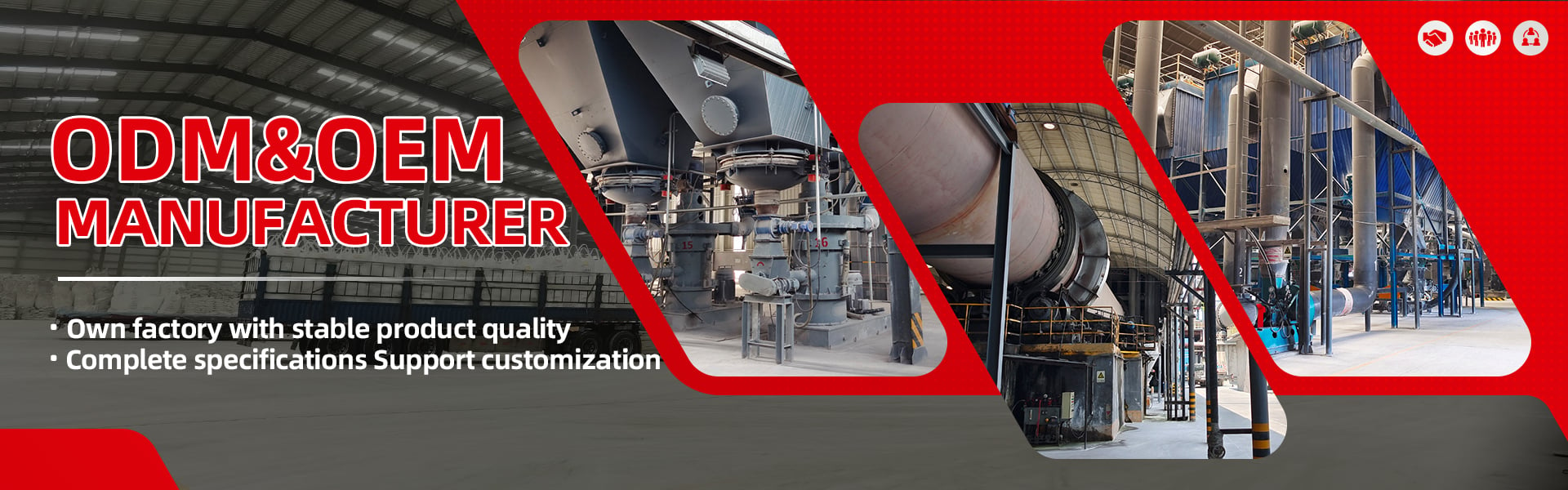
Hezhen pairs its product portfolio with technical support services to assist customers in optimizing formulations and process parameters. With a focus on reliable production scheduling and inventory buffering, Hezhen ensures steady supply for continuous manufacturing operations. Technical data sheets, safety documentation, and sample programs are available to accelerate qualification cycles and reduce time-to-market for applications integrating glass microsphere materials.
Our Strength