About Product
Highlight
Premium Hollow Structure: Glass micro-balloon features a complete and intact hollow internal structure formed through professional high-temperature blowing and molding technology. The delicate and stable spherical hollow design endows the material with unique physical properties that solid raw materials cannot match. It effectively optimizes the internal structural balance of composite formulas, bringing stable structural optimization effects for various industrial filling and modification projects
Accurate Particle Grading: This series of glass micro-balloon undergoes precise airflow classification and multi-stage fine screening procedures. Each product grade features accurate particle size distribution without oversized or undersized mixed particles. The standardized grading mode ensures highly uniform filling effect and stable physical performance in large-scale continuous industrial processing
Optimized Formula Fluidity: Fine spherical particle morphology greatly improves the fluidity of mixed materials in industrial formulas. It reduces internal friction between raw material particles during stirring and extrusion, effectively lowering formula viscosity and improving the smoothness of mechanical processing and automated production operations
Excellent Low-Density Filling: With ultra-low bulk density and stable hollow structure characteristics, glass micro-balloon serves as an ideal low-density filling material. It can increase the filling volume of composite materials without adding extra weight, realizing lightweight upgrading and cost optimization for finished industrial products
Superior Pressure Resistance: The closed thick-wall spherical structure enables glass micro-balloon to withstand uniform external pressure and mechanical extrusion. It maintains complete particle integrity during high-pressure mixing, mold pressing and mechanical molding processes, avoiding particle collapse and functional failure during production
About Us
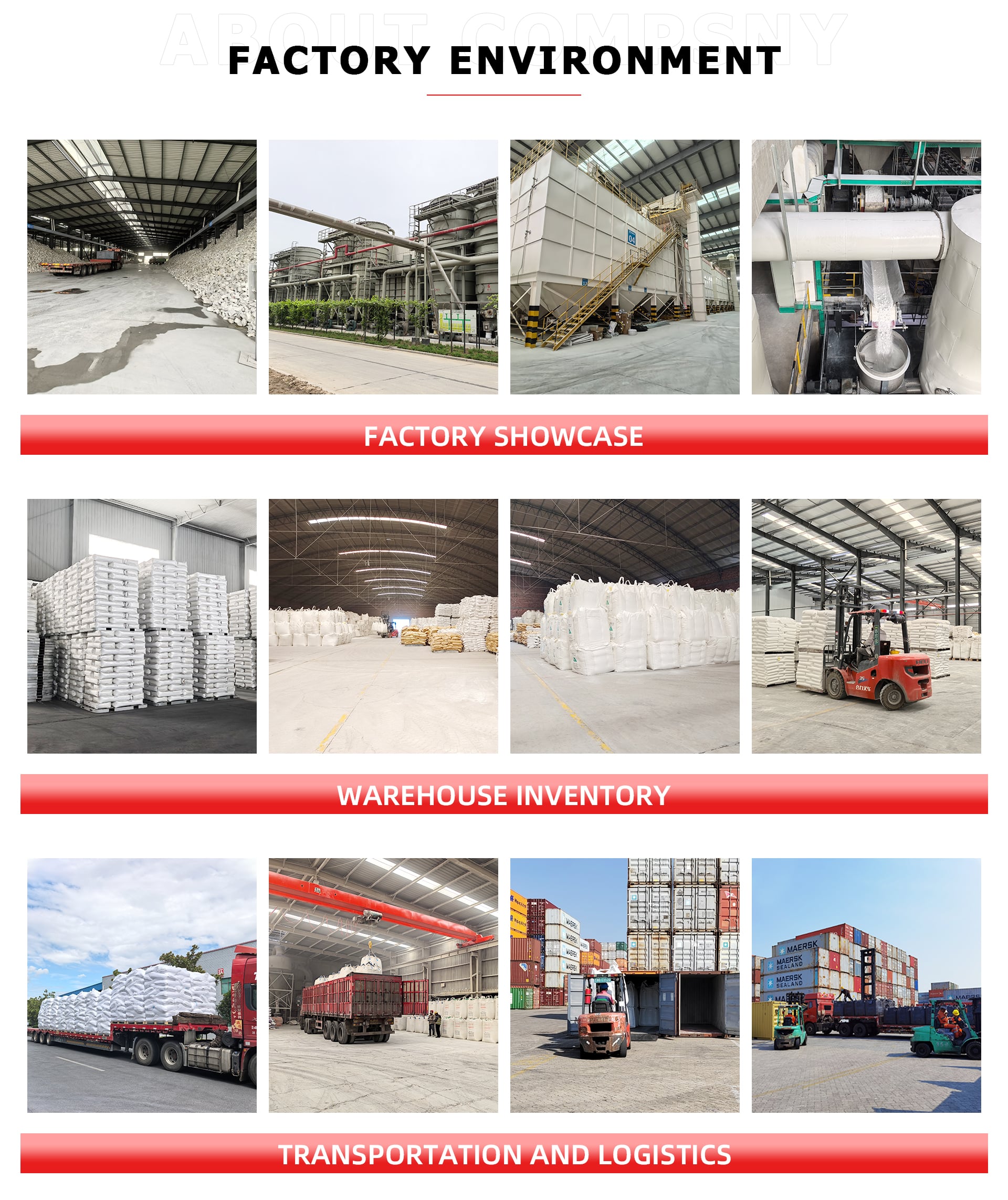
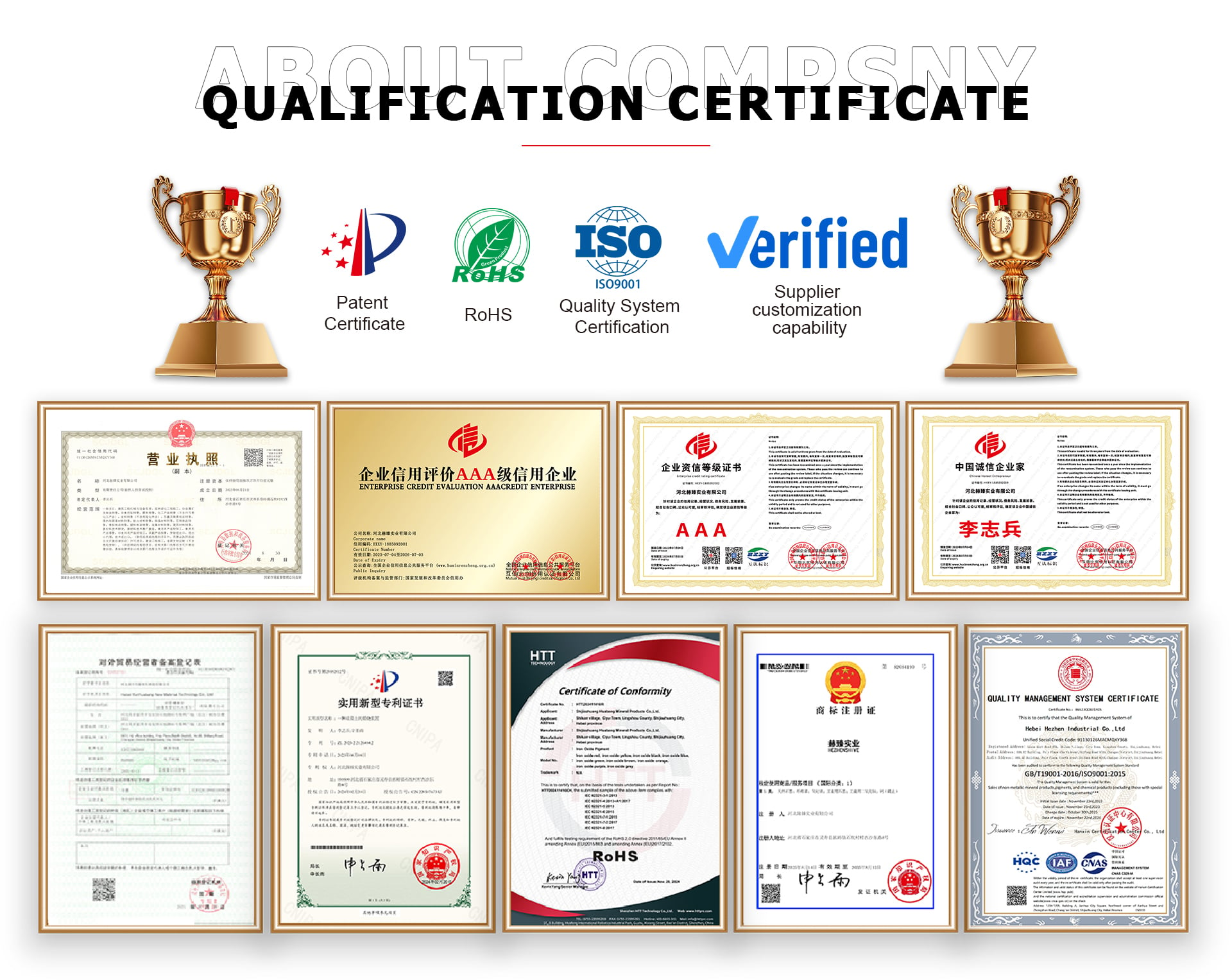
Hebei Hezhen Industrial Co., Ltd. specializes in glass micro-beads for road marking and industrial applications. With production facilities in Hebei, China, the company offers high-quality glass micro-beads with chemical composition MgO, SiO2, H2O. Its products are certified for international standards and support customization for diverse industrial needs. Boasting strong technical and economic strength, we leverage local geographical and resource advantages, adopt advanced modern production technology, and establish a high-level multi-layer management system to strictly control product quality, ensure on-time delivery and provide comprehensive related services. Founded in June 2015 (with the factory established in 2008), the company is located in Shikan Village, Shijiazhuang, Hebei Province. Covering an area of over 20,000 square meters, it is approximately 300 km from Tianjin Port, enjoying convenient transportation. We have a team of over 50 employees, most of whom hold college degrees or above, including professional engineers. Offering one-stop services covering mineral processing, testing, sales, finance, warehousing and after-sales support, we are ISO9001:2000 internationally certified. Our main products include silica series, diatomite powder, kaolin clay, talc powder, iron oxide pigment series, colored sand, rock flake, mica series, vermiculite, tourmaline series, fiber materials and fireproof coating. Adhering to the principle of "Top Quality, Top Service", our products have been exported to North America, Western Europe, the Middle East, Australia, Southeast Asia, South America, Africa and other regions worldwide. As a professional mineral products supplier, we have professional teams specializing in product R&D & design, quality control inspection and company operation. If you have any new ideas or suggestions about our products, please feel free to contact us. We look forward to cooperating with you and delivering satisfactory products and service
FAQs
What are glass microspheres and what are their main uses?
Glass microspheres are tiny, hollow or solid spherical particles made from soda-lime glass or borosilicate glass. They feature low density, high sphericity, good chemical resistance, and smooth surface. They are widely used as lightweight fillers, extenders, and functional additives in coatings, paints, plastics, rubber, composites, and industrial materials fields.
Which regions are the main exporters of glass microspheres?
The main exporting regions include United States, Germany, Japan, and South Korea, etc.
What quality standards should I pay attention to when importing glass microspheres?
When importing glass microspheres, key quality points focus on particle size distribution, sphericity, bulk density, hollow rate (for hollow types), chemical purity, and surface finish. The product should be free of impurities, broken beads, and agglomeration, with consistent particle performance.
How are glass microspheres packaged for international transportation?
Glass microspheres are usually packaged in moisture-proof woven bags or kraft paper bags with inner plastic liners, which are tightly sealed to prevent moisture absorption, contamination, and dust leakage during transportation. For large bulk industrial orders, ton bags are commonly used, and packaged goods are often fixed on pallets with stretch film to ensure stability in loading, unloading, and long-distance transit.
What are the common trade terms in glass microspheres trade?
Common trade terms in glass microspheres transactions include FOB (Free On Board), CIF (Cost, Insurance and Freight) and EXW (Ex Works). The selection of specific terms depends on the negotiation between buyers and sellers on transportation responsibility, cost allocation, and risk transfer.
What documents are required for importing glass microspheres?
Generally required documents cover commercial invoice, packing list, bill of lading or airway bill, certificate of origin, quality inspection report.
What payment terms do glass microspheres suppliers commonly accept?
Most glass microspheres suppliers accept mainstream international payment methods, mainly telegraphic transfer (T/T) and letter of credit (LC). The conventional industry practice is to pay a certain proportion of deposit when placing an order to confirm production arrangement, and settle the balance before shipment or against the copy of the bill of lading, which effectively reduces transaction risks for both parties.
Can glass microspheres be customized for specific uses?
Yes, suppliers can provide customized products according to customers' actual industrial application needs. For example, they can adjust the particle size range, surface treatment process (such as silane coating), and wall thickness (for hollow beads) to improve the product's compatibility and performance in different application scenarios such as coatings, plastics, and lightweight composites, and customize packaging specifications to adapt to different storage and transportation demands.
Hezhen presents the EACH RoHS Approved Thermal Insulation Plastic Modification Compound Strengthening Agent Glass Microsphere Glass Microballoon, a versatile additive designed to elevate polymer, composite, and coating systems through lightweight thermal management, mechanical performance enhancement, and cost-effective formulation refinement. This product combines RoHS-approved glass microspheres with engineered particle size distribution and surface treatment to deliver a reliable thermal insulation microspheres solution that meets modern manufacturing demands while supporting sustainability and regulatory compliance.
Product overview
Hezhen’s thermal insulation microspheres are hollow glass Microballoon-based modifiers formulated for use in plastics, thermosets, elastomers, sealants, and paints. These RoHS-approved glass microspheres are designed to reduce density, improve thermal insulation, and act as composite strengthening agents that enhance dimensional stability and Processability. Each glass Microballoon is engineered to deliver low thermal conductivity, consistent Sphericity, and uniform wall thickness, ensuring predictable performance across large-scale production runs.
Key features and benefits
- Lightweight thermal insulation microspheres: The hollow structure of glass Microballoon particles drastically reduces composite density, enabling lightweight component design without sacrificing structural integrity. By replacing heavier fillers, these glass Microballoon additives contribute to lower material usage and improved energy efficiency in end products.
- Thermal performance: As a core thermal insulation microspheres solution, Hezhen’s glass microspheres lower heat transfer rates within polymer matrices, improving insulation properties in housings, panels, and insulating layers. The low thermal conductivity of each hollow microsphere enhances overall thermal management in applications where temperature control is critical.
- Composite strengthening agents: Uniquely processed to ensure optimal bonding and dispersion, these glass Microballoon particles function as composite strengthening agents that improve stiffness and dimensional stability. Properly incorporated, the hollow spheres reinforce the matrix, reduce shrinkage, and limit warpage during curing or thermal cycling.
- RoHS-approved glass microspheres: Compliance with RoHS ensures that these glass microspheres meet stringent limits on hazardous substances. This approval simplifies regulatory adherence for manufacturers supplying global markets and supports the use of thermal insulation microspheres in consumer, industrial, and electronic applications.
- Surface treatment and compatibility: Hezhen’s glass Microballoon formulations include optional surface treatments to enhance compatibility with diverse resin systems, including epoxy, polyurethane, polyester, silicone, and thermoplastic matrices. Such treatments improve interfacial bonding and dispersion, optimizing the performance of composite strengthening agents.
- Processability and handling: The spherical geometry and narrow size distribution of these glass Microballoon materials promote easy dosing, consistent flow, and reduced abrading of processing equipment. Their free-flowing nature and controlled bulk density enable accurate metering in extrusion, molding, casting, and coating operations.
Applications
Hezhen’s RoHS-approved glass microspheres find broad glass Microballoon applications across multiple industries where thermal insulation microspheres and composite strengthening agents are valuable:
- Electronics and electrical housings: Integration of thermal insulation microspheres into potting compounds, Encapsulants, and housings reduces heat transfer and lowers component weight while complying with RoHS regulations. These glass Microballoon fillers help maintain dielectric properties and improve dimensional stability under thermal stress.
- Automotive components: In automotive interior panels, under-the-hood composites, and lightweight structural elements, glass Microballoon applications reduce part weight, enhance thermal insulation, and provide controlled stiffness. Composite strengthening agents derived from these hollow spheres enable designers to balance strength-to-weight ratios more effectively.
- Construction and insulation systems: The low thermal conductivity of thermal insulation microspheres is valuable in building materials, exterior cladding, and insulating panels. Glass Microballoon applications in mortar, plaster, and polymer-based insulation sheets improve thermal performance with reduced density and enhanced handling properties.
- Marine and aerospace composites: For weight-critical applications, the glass Microballoon applications provide lightweight filler options that contribute to fuel efficiency and load reduction while maintaining dimensional stability. As composite strengthening agents, these hollow spheres help manage thermal expansion and minimize distortion under variable environmental conditions.
- Coatings, adhesives, and sealants: In coatings and sealants, the addition of thermal insulation microspheres improves thermal barrier properties, reduces cracking from thermal stress, and modifies rheology for better application control. Glass Microballoon applications in adhesives can tune Bondline thickness and mechanical compliance.
- Industrial equipment and thermal management panels: Thermal insulation microspheres incorporated into instrument housings, thermal barrier layers, and equipment casings help manage heat flow and reduce weight, extending component life and improving operational stability.
Technical advantages and innovation
Hezhen’s thermal insulation microspheres are distinguished by innovations in glass Microballoon engineering and composite strengthening agent design:
- Precision particle engineering: The Microballoon manufacturing process yields a controlled particle size distribution and high Sphericity, maximizing packing efficiency and consistent performance in formulations. This precision supports predictable use of thermal insulation microspheres across various processing environments.
- Controlled wall thickness and strength: By optimizing wall thickness of the hollow spheres, Hezhen ensures an ideal balance between low density and mechanical resilience. The Microballoon architecture permits composites to retain strength while benefiting from the insulating properties of the hollow core.
- Tailored surface chemistries: Proprietary surface modification enhances wettability and chemical affinity for target resin systems, boosting the effectiveness of composite strengthening agents and ensuring stable dispersion of thermal insulation microspheres in complex matrices.
- Thermal stability and chemical resistance: These RoHS-approved glass microspheres exhibit high thermal stability and inertness, making them suitable for high-temperature curing processes and chemically aggressive environments. The result is a durable thermal insulation microspheres solution for long-life applications.
- Scalable quality control: Hezhen employs rigorous quality assurance protocols to maintain consistent bulk density, particle integrity, and RoHS compliance. This quality control makes the glass Microballoon applications reliable for high-volume manufacturing and critical applications where reproducibility is essential.
Formulation guidance
To achieve the best results with Hezhen’s glass Microballoon glass Microballoon products, consider the following practices:
- Determine target bulk density and thermal conductivity goals to set the filler loading needed for thermal insulation microspheres.
- Select appropriate surface-treated microspheres for the chosen resin to ensure optimum composite strengthening agents’ performance.- Optimize mixing protocols to minimize breakage of hollow spheres while ensuring homogeneous dispersion.
- Balance filler content with mechanical property targets to maintain required strength and stiffness when using thermal insulation microspheres.
Sustainability and regulatory compliance
As RoHS-approved glass microspheres, Hezhen’s thermal insulation microspheres align with global efforts to reduce hazardous substances in electronic and consumer goods. Their use contributes to light-weighting initiatives that lower material consumption and operational energy usage in transport and building sectors, further supporting sustainability goals.
 EN
EN