EN
EN

News
Porous Iron Solutions for Industrial & Chemical Engineering
Reduced Iron Powder, commonly known as Sponge Iron Powder, is manufactured through the solid-state reduction of high-grade iron ore or mill scale using carbon or hydrogen. Its unique porous structure makes it a versatile "functional scaffold" in industrial chemistry and heavy manufacturing.
1. Structural Characteristics
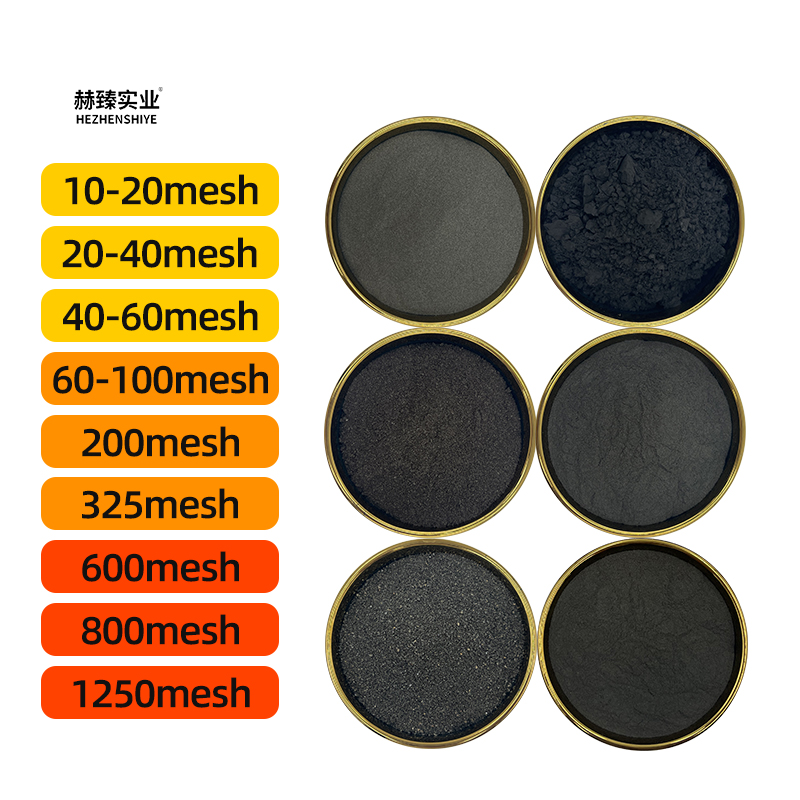
The reduction process leaves behind a "sponge-like" internal architecture. This high internal porosity provides a significantly larger specific surface area compared to atomized powders, facilitating rapid chemical reactions and high mechanical interlocking when used as a binder.
2. Physical & Chemical Performance Indicators
Compressibility: The irregular, "hook-like" particle shape ensures high green strength during the compacting phase of powder metallurgy.
Chemical Reactivity: The massive surface area allows for efficient oxygen scavenging and chemical reduction in wastewater treatment.
3. Key Industrial Applications
Friction Materials: A core component in automotive brake pads and clutch facings to stabilize friction coefficients and improve heat dissipation.
Welding Consumables: Added to electrode coatings and flux-cored wires to increase deposition rates and improve arc stability.
Environmental Remediation: Used as a Zero-Valent Iron (ZVI) reagent to neutralize chlorinated solvents and heavy metals in industrial groundwater.
Food Preservation: Used in oxygen absorber packets to extend the shelf life of packaged goods by preventing oxidation.
4. Technical Grade Guide
Primary Reduced: High carbon content, suitable for basic welding and heating pads.