EN
EN

News
Nature’s Bio-Electric Filter: Tourmaline Solutions for Global Sustainability
In the context of 2026 global environmental standards (REACH/RoHS), Tourmaline has emerged as a premier "Green Mineral." Its ability to modify the physical structure of water and adsorb pollutants makes it indispensable for large-scale solid-liquid separation and ecological restoration.
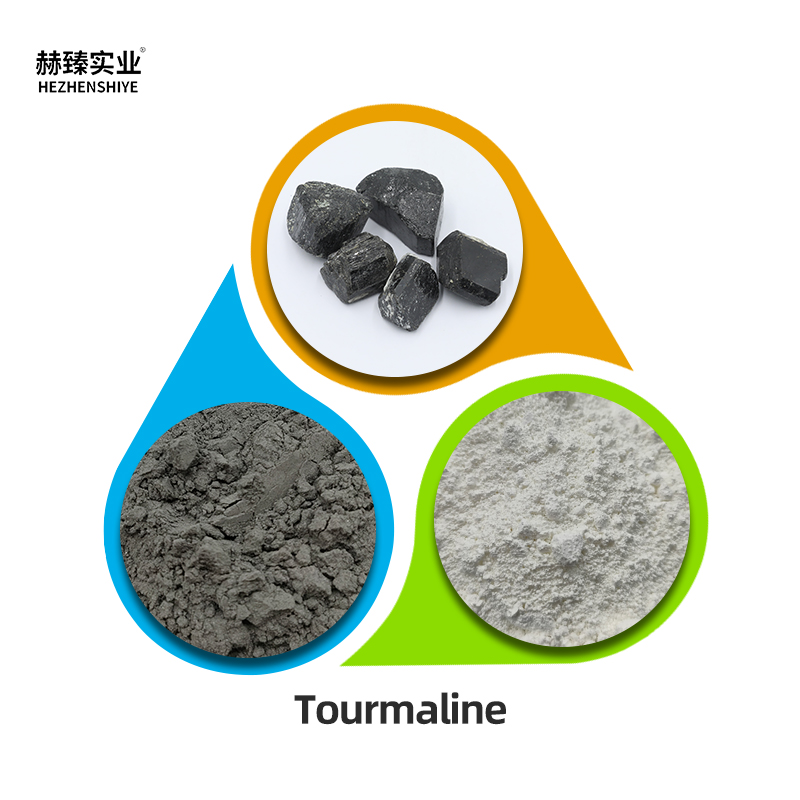
1. Mechanism of Water Activation
The micro-electric field of tourmaline interacts with water molecules to reduce Molecular Clusters.
Cluster Reduction: Large water clusters are broken down into smaller "micro-clusters" (5-6 molecules). This significantly increases the solubility and permeability of the water, making it more effective for industrial cleaning and agricultural irrigation.
pH Buffering: Tourmaline has a natural "weak alkaline" effect, helping to stabilize water pH levels between $7.2$ and $8.5$, which is optimal for biological systems.
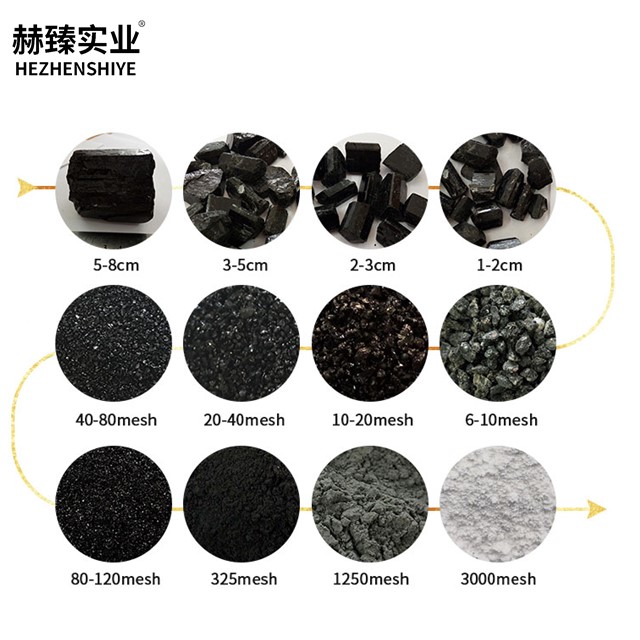
2. Performance in Environmental Remediation
Heavy Metal Adsorption: Through its polarized surface, Its efficiency is often enhanced when used in conjunction with Diatomaceous Earth or Activated Carbon
Electromagnetic Shielding: Due to its unique crystal lattice, tourmaline powder is used in construction materials to absorb high-frequency electromagnetic radiation in data centers and telecommunication hubs.

3. Application Scenarios
3.1 High-End Water Filtration: Used in ceramic ball form or as a granular filter media. It is essential for producing "Alkaline Antioxidant Water" for the beverage industry and residential RO systems.
3.2 Wastewater Treatment: Acts as a bio-carrier in aerobic and anaerobic tanks. The micro-current stimulates microbial activity, accelerating the breakdown of organic pollutants (COD/BOD)
3.3 Cosmetic & Skin Care: Micronized tourmaline is added to cleansers to increase the "surface activity" of the product, allowing for deeper pore cleansing without harsh chemicals.