EN
EN

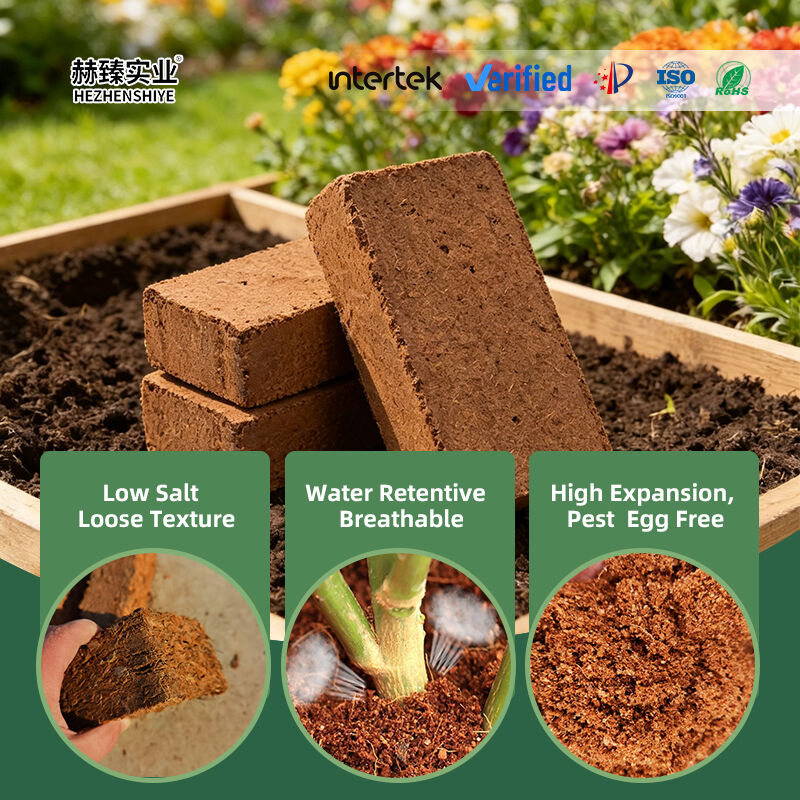
Coco peat bricks are lightweight, porous and eco-friendly materials made from processed coconut husk fibers. After soaking in water, the compressed bricks expand quickly into loose, soft substrate with great air permeability and water retention capacity. Featuring stable texture, neutral pH value and long service life, this natural material has no harsh chemical components and works well alongside various industrial and landscaping materials. It is widely adopted across multiple civilian fields, and the main applications are introduced below in simple language.
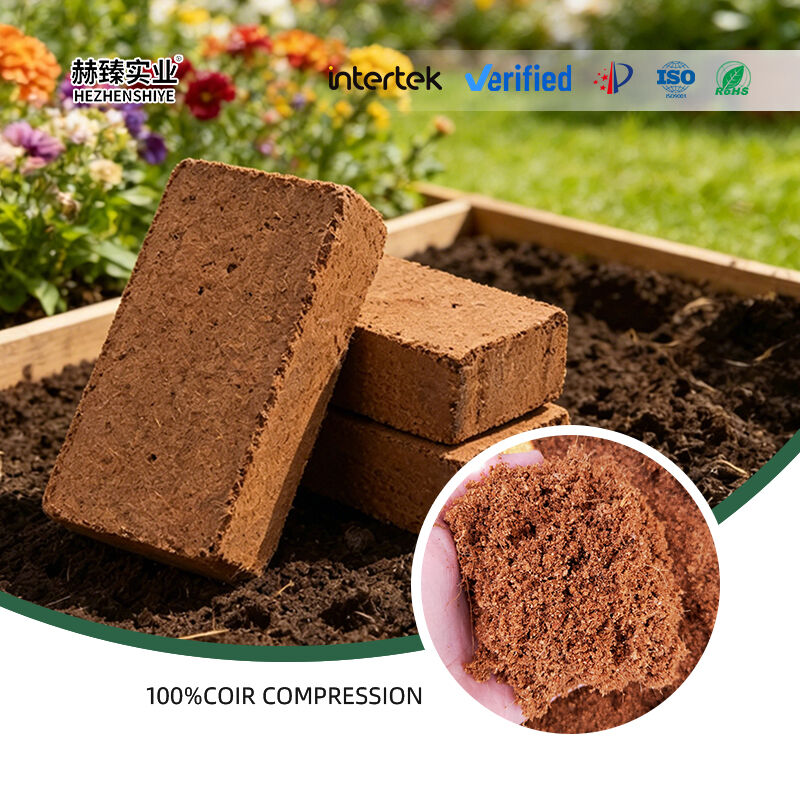
Coco peat bricks are most commonly used as base materials for landscaping and ornamental planting projects. When fully expanded, the loose substrate creates a breathable growing environment that keeps proper moisture without waterlogging. It can be used alone or mixed with other granular materials to make planting medium for ornamental plants, decorative foliage and landscape greenery. It prevents the substrate from hardening or compacting over time, maintaining a loose structure all year round. For large-scale landscape greening, flower bed arrangement and outdoor plant landscaping, coco peat helps cut maintenance work and keeps plant growing conditions stable in different weather. It is also ideal for potted ornaments placed in public areas and commercial spaces.
This material serves as an excellent filling and conditioning material for various horticultural containers and decorative planters. Its light weight effectively lowers the overall load of planters, which is quite practical for elevated flower racks, wall-mounted planters and multi-layer decorative planting frames. Unlike heavy traditional soil, expanded coco peat will not add excessive pressure to supporting structures. Meanwhile, its good drainage performance avoids accumulated water inside closed containers, protecting the structure of planters and extending their service life. Many commercial spaces and public venues choose coco peat bricks for decorative planting thanks to their neat appearance and convenient storage.
Coco peat is widely used in the production of composite landscaping materials. Manufacturers blend expanded coco peat with particles, adhesives and other auxiliary raw materials to make various landscape mats, decorative covering materials and greening base layers. These finished products retain the original advantages of coco peat, including good air circulation and moisture regulation. They are laid on open ground, leisure zones and landscape zones to improve surface conditions, suppress dust and maintain a neat outdoor environment. The material resists decay and will not break easily under long-term exposure to wind and rain, so it stays functional for a long time with little replacement needed.
It also acts as a functional auxiliary material in civil construction and outdoor facility projects. Mixed into some lightweight filling materials, coco peat can adjust the density and permeability of finished products. Its fibrous structure enhances the flexibility of filling layers and reduces cracking caused by temperature changes. In outdoor foundation treatment for landscape facilities and leisure structures, coco peat based composite materials help balance moisture inside the base, improving the overall stability of surface layers.
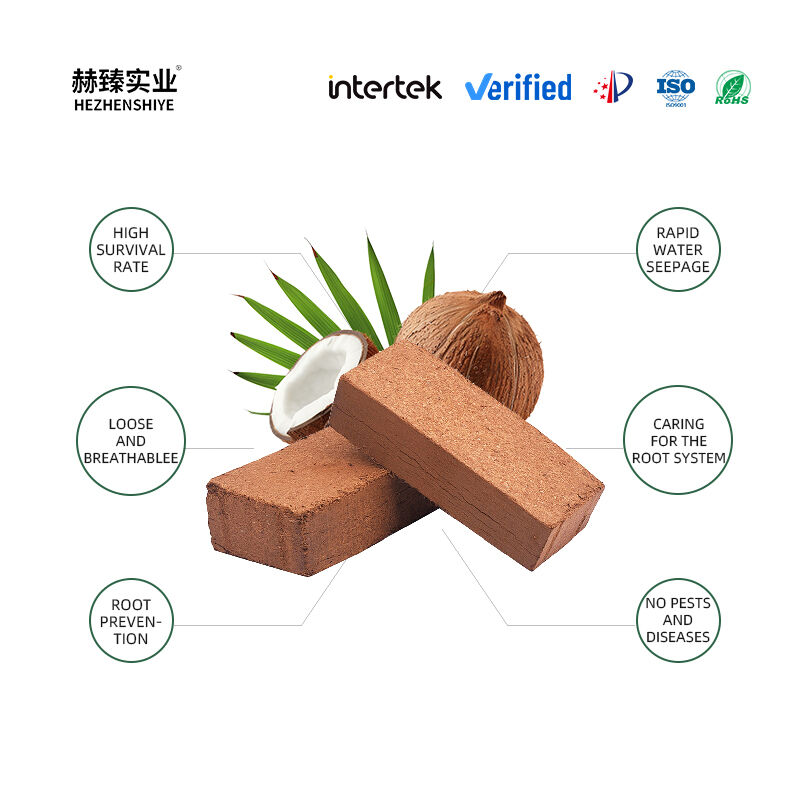
In addition, coco peat bricks are favored for material storage and packaging buffering. The soft expanded fiber can be used as cushioning filler for fragile decorative goods and light industrial products during transit. It absorbs minor impact and friction, protecting items from damage in transportation. Being clean and odorless, it will not leave stains on goods, making it a practical eco-friendly buffer choice.
To sum up, coco peat bricks are versatile natural materials with outstanding air permeability, water retention and light weight. They play key roles in landscape greening, decorative planting, composite material production and buffer packaging. Easy to transport, store and use, they have become a cost-effective and reliable option for modern landscaping and related civilian industries.