EN
EN

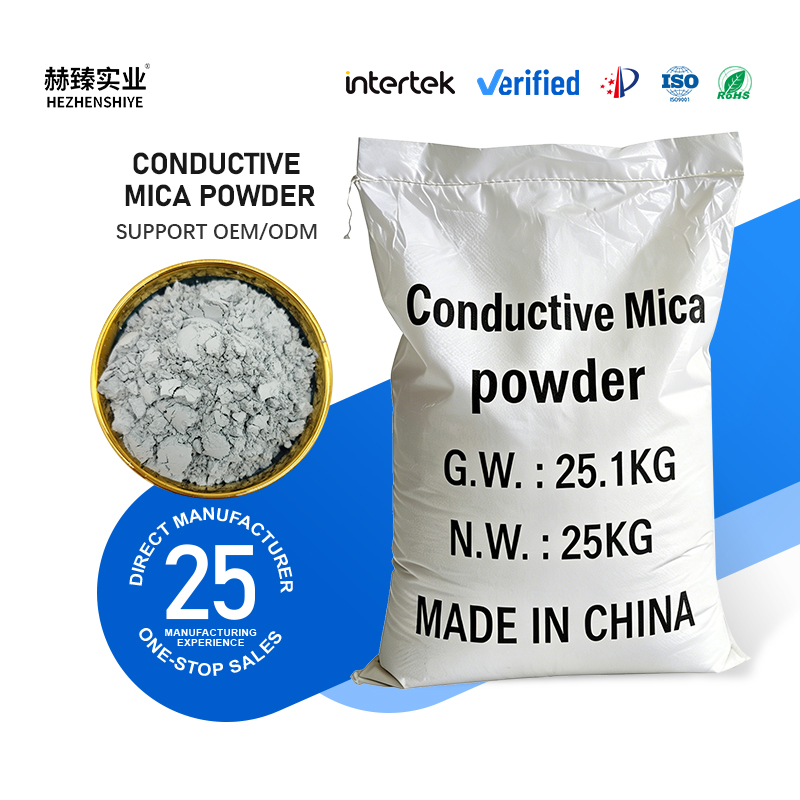
Brief Introduction to Conductive Mica Powder
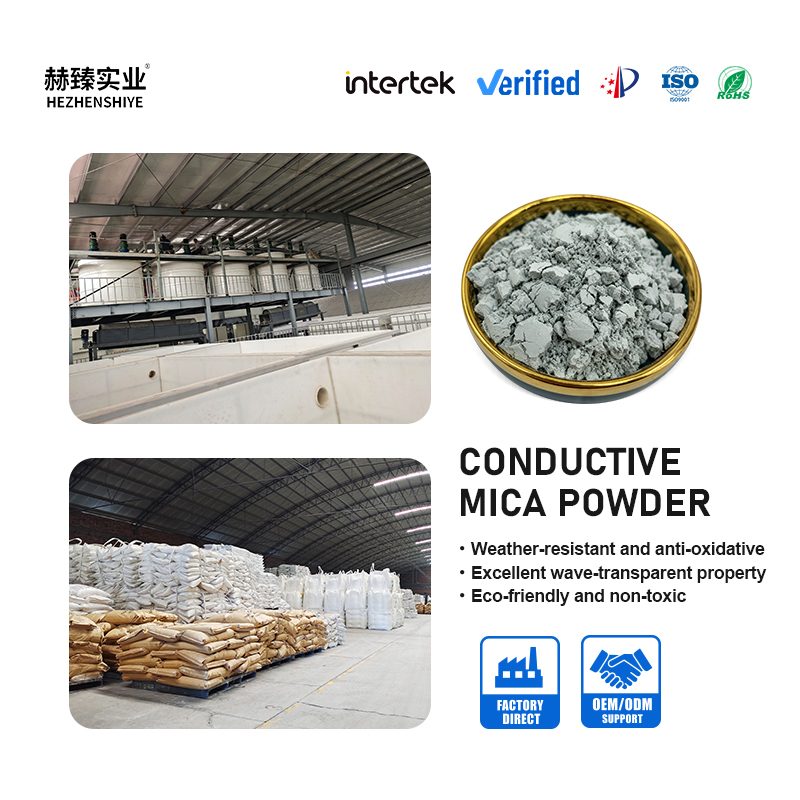
Conductive mica powder is a lightweight, pearlescent mineral filler made by coating natural flaky mica with a uniform tin-antimony conductive oxide film. Unlike carbon black, graphite or metal conductive powders, it delivers steady static dissipation without turning products dark black. It disperses smoothly in resin, plastic, rubber and paint, resists high heat, chemical erosion and sunlight fading, and contains no toxic heavy metals. All its performance advantages make it a top choice for factories that need anti-static or electromagnetic shielding effects while keeping light-colored, smooth product appearances. This article lists all common commercial uses in plain language, focusing purely on factory production, consumer goods and industrial equipment without policy-related content.
1. Anti-Static & Shielding Coatings for Commercial and Factory Spaces
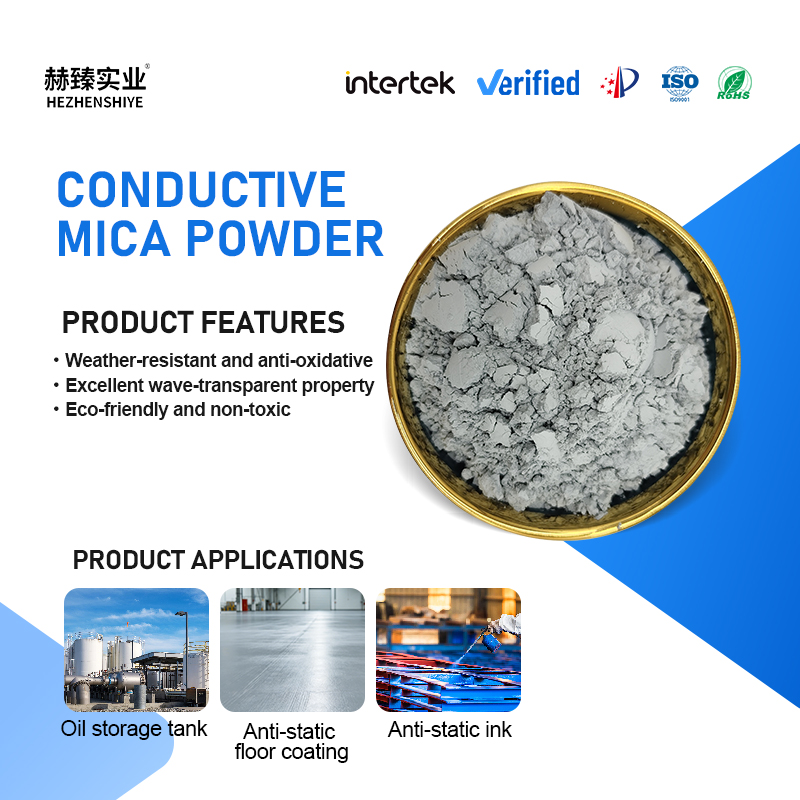
Many paint manufacturers choose conductive mica powder when they need light-colored anti-static coatings.
Workshop floor paint, laboratory wall coatings and internal paint for storage warehouses all rely on this material. Static electricity building up on floors and walls can scratch delicate electronic parts or ignite flammable chemical vapors. Conductive mica creates a continuous static-release layer, and the finished paint can stay white, light grey or beige instead of the solid black look from carbon black additives.
For equipment cabinets, signal boxes and server rack casings, electromagnetic shielding coatings mixed with conductive mica block outside signal interference and stop internal electromagnetic waves from leaking out. It cuts raw material costs compared to expensive silver powder fillers while maintaining reliable shielding results.
Metal equipment protective primer is another big use. The thin sheet shape of mica creates a physical barrier that blocks salt mist, moisture and corrosive liquids, slowing rust on metal frames, tanks and machinery. At the same time, its conductive layer removes static charge that builds up on metal surfaces during long-term operation. It works well for outdoor machinery coatings that face years of wind and sun exposure.
2. Anti-Static Plastic Parts for Electronics, Storage and New Energy
Conductive mica powder mixes easily with ABS, PP, PVC, nylon and PC plastic for injection molding and extrusion production.
Electronic packaging products are a core application. Chip storage trays, component blister boxes and plastic turnover containers used in electronics factories must release static gently to avoid burning tiny circuit chips during transport. Unlike carbon black, conductive mica leaves no dark smudges on sensitive electronic surfaces and keeps plastic surfaces smooth after molding.
Daily electronic housings such as router shells, monitor back covers and power adapter casings need mild anti-static and weak shielding performance. Adding conductive mica preserves the plastic’s original light color and improves surface gloss without extra polishing steps.
Industrial plastic containers, mine conveying pipes and workshop plastic pallets endure constant friction and contact with mild chemicals. This filler stabilizes plastic conductivity and boosts toughness and anti-aging performance. It is also widely added to lithium battery casings and charging gun plastic parts, matching the anti-static safety standards for consumer new energy devices.
3. Anti-Static Rubber Mats, Seals and Cable Accessories
When blended with silicone rubber, EVA, nitrile rubber and regular rubber, conductive mica retains rubber’s soft elasticity while adding long-lasting anti-static functions.
Popular finished products include workshop anti-slip floor mats, stair safety rubber sheets and sealing gaskets for electronic devices. For precision silicone rubber seals used inside small gadgets, conductive mica avoids black carbon residue that could contaminate circuit contacts, and the rubber stays flexible after years of use.
Cable shielding rubber layers, industrial rubber rollers and vehicle rubber fittings also use this material. It stands up to weak acid and alkali liquids, making it suitable for chemical processing workshops and underground factory environments.
4. Light-Colored Conductive Printing Ink & Screen Printing Paste
Printing plants use conductive mica powder to produce light-toned anti-static ink and shielding printing paste.
It fits flexible circuit printing, RFID tag surface coating, anti-static packaging bag printing and auxiliary conductive layers for touch panels. The fine powder spreads evenly inside ink mixtures and will not clog tiny screen mesh holes during mass printing. After drying, the printed layer forms a thin, consistent conductive film with sharp printing patterns. It solves the limitation of carbon black ink, which only produces dark prints and cannot meet light-colored packaging and label design demands.
5. Electronic Adhesives, Potting Glue and Sealing Compounds
Producers of electronic glue add conductive mica to epoxy potting glue, silicone fixing adhesives and device sealants.
Once the glue cures, evenly distributed mica flakes form an anti-static protective layer that shields circuit boards and sensors from static damage. The layered mica structure also strengthens the glue’s ability to block water vapor and resist cracking, lowering the breakdown rate of small electronic modules caused by dampness and static build-up. It is commonly used for power component encapsulation, sensor sealing and circuit board fixing glue in consumer electronics.
6. Specialized Consumer and Industrial Custom Applications
- Anti-static textile finishing materials: Mixed into fabric treatment agents to make anti-static work clothing for electronics, chemical and fuel processing workshops. The conductive layer sticks firmly to fiber surfaces and resists repeated washing without discoloring clothes.
- Lightweight shielding composite panels: Blended with resin and glass fiber to make thin shielding boards for communication equipment. These panels weigh far less than solid metal sheets, reducing shipping and installation costs for manufacturers.
- High-temperature anti-static ceramic accessories: Used to make electronic ceramic bases and kiln fittings, maintaining stable conductive performance under long-term high-temperature working conditions.
- Pearlescent anti-static personal care raw materials: Highly purified low-impurity conductive mica can be used in high-gloss hair care items and pearlescent cosmetics, delivering soft shimmer and safe skin contact.
Key Product Advantages That Support All These Uses
- Adjustable conductive strength: Multiple grades from weak static dissipation to medium conductivity to match different product testing standards.
- Light color and pearlescent shine: Enables light-toned finished goods, breaking the all-black restriction of traditional carbon conductive fillers.
- Strong weather resistance: Conductive performance does not fade after long exposure to sunlight, rain and temperature shifts.
- Low oil absorption and good dispersion: Reduces resin and binder consumption, cutting overall production costs and preventing particle clumping defects.
- Safe and clean composition: Free of harmful heavy metals, compatible with electronics, packaging and daily consumer goods production lines.
Table of Contents
- Brief Introduction to Conductive Mica Powder
- 1. Anti-Static & Shielding Coatings for Commercial and Factory Spaces
- 2. Anti-Static Plastic Parts for Electronics, Storage and New Energy
- 3. Anti-Static Rubber Mats, Seals and Cable Accessories
- 4. Light-Colored Conductive Printing Ink & Screen Printing Paste
- 5. Electronic Adhesives, Potting Glue and Sealing Compounds
- 6. Specialized Consumer and Industrial Custom Applications
- Key Product Advantages That Support All These Uses